






 Portuguese
  Spanish
  3 min of reading
  0 comments


New rule expands the queue reduction program and allows requests stalled for at least 30 days to receive priority analysis at INSS
An important change in the rules of the National Institute of Social Security, the INSS, could speed up the analysis of thousands of benefits.
The federal government reduced the minimum period from 45 to 30 days for stalled processes to enter the priority queue of servers.
The change affects requests for retirement, pension, review, and assistance benefits, including the Continuous Cash Benefit, the BPC.
-
For the first time in history, solar and wind energy generated more electricity than natural gas worldwide in a single month, April 2026, a milestone in the energy transition that shows renewable sources taking the lead in the global electric system.

-
Petrobras is expected to complete the drilling of the Morpho well in the Foz do Amazonas in August 2026, the first well in the Equatorial Margin, an oil frontier that the ANP estimates at more than 30 billion barrels and could redraw the map of Brazil.
-
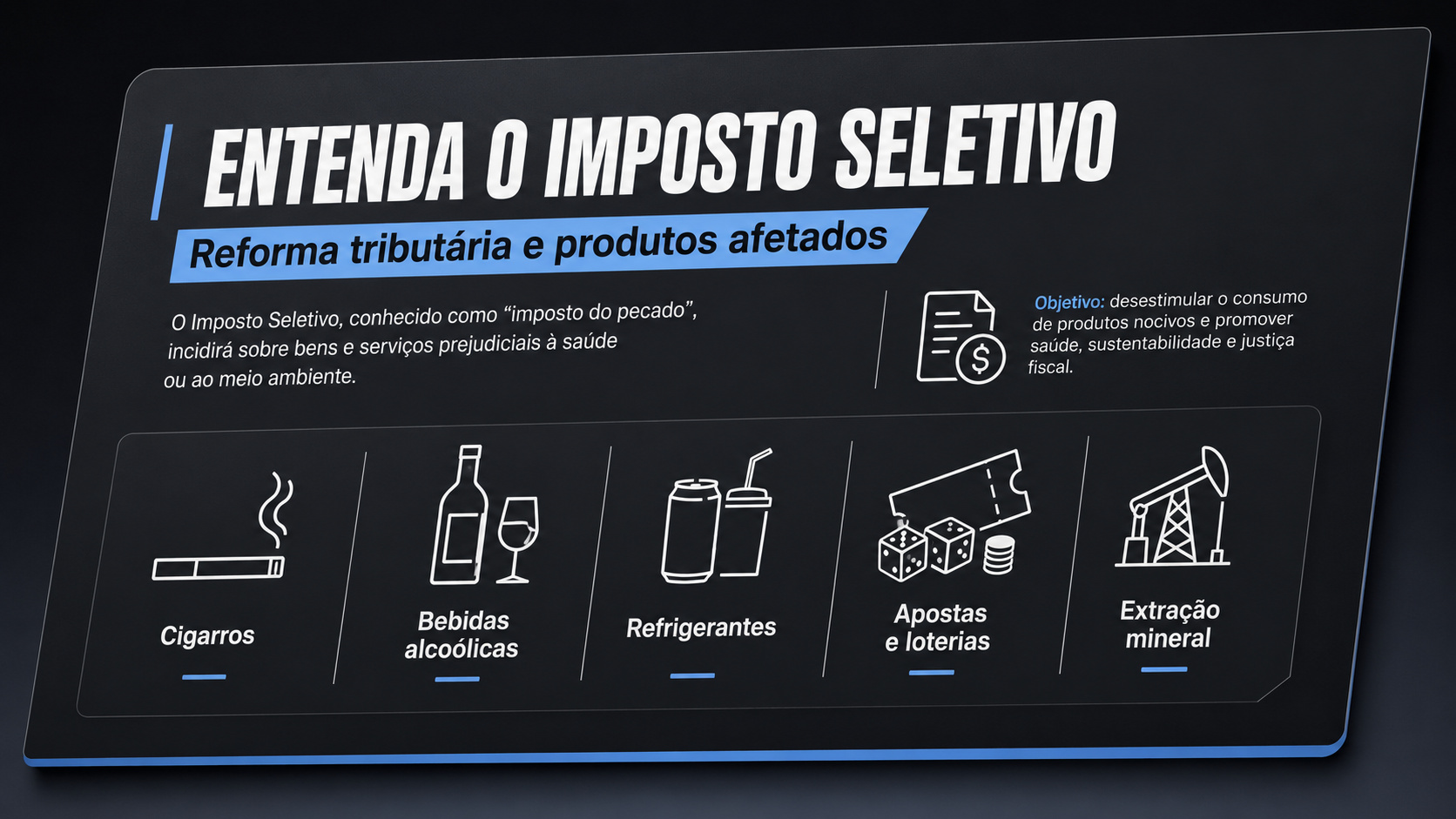
Government confirms sin tax for 2027 and explains why alcoholic beverages and cigarettes should not become more expensive right away, despite the new tax also covering soft drinks, polluting vehicles, mineral extraction, lotteries, betting, and fantasy sports games in a change that still depends on Congress.

-
Anvisa reveals flaws in supplements from IDNLABS and suspends 11 batches that include creatine, BCAA, beta-alanine, and multivitamins; the measure affects products with quality, composition, and labeling issues, while consumers are advised to check the printed codes on the packaging.



The measure was published in the Official Gazette of the Union on June 19, 2026 and took effect immediately.
New rule expands the reach of the INSS program
The Benefit Management Program, the PGB, was created to reduce the backlog of accumulated requests at the INSS.
Requests with more than 45 days of waiting were the only ones that could be included previously.
The new rule allows processes stalled for at least 30 days to also receive priority service.
In practice, a larger number of requests can be analyzed before the regular order of the queue.
According to the Ministry of Social Security, more than 100,000 processes are expected to be initially affected by the change.
INSS queue still exceeds 2.1 million requests
The current INSS backlog includes 2.192 million pending requests.
Data presented by the government show that the queue exceeded 3 million requests in February 2026.
About 30% of the requests correspond to the Continuous Cash Benefit.
The BPC serves elderly people and people with disabilities who meet the required criteria for granting the assistance benefit.
The reduction of the period aims to increase the pace of analyses without changing the financial limits already allocated to the program.
The Ministry of Social Security reported that the measure will not cause an increase in expenses.

Reviews, resources, and legal decisions become a priority
The new scope of the PGB is not limited to initial requests for retirements, pensions, or assistance benefits.
Processes of review, administrative appeals, and maintenance of benefits may also receive priority treatment.
Administrative services related to judicial social security decisions enter the program when the deadline has expired for more than 30 days.
Social evaluations related to the BPC are also included in the queue reduction strategy.
Referrals for professional rehabilitation may be anticipated within the conditions established by the program.
Employees may receive up to R$ 17,100 in bonuses
The PGB provides additional payments to employees who work directly in reducing the stock of INSS processes.
Each employee must first meet the regular monthly work goal.
Participation in the program requires productivity 30% higher than the established goal.
Only tasks completed after this performance can generate additional payment.
The bonus corresponds to R$ 68 per task completed.
The sum of extra activities may reach R$ 17,100, according to the limits provided by the program.
Employees who do not reach the initial required productivity are excluded from the additional payment.
How to apply for retirement, pension, or BPC
The citizen can apply for retirement and other benefits by calling 135, through the app, or via the Meu INSS website.
The insured must access the services area and select the desired benefit.
The indication of a specific retirement rule is not mandatory during the request.
The system automatically analyzes the information available in the National Social Information Registry, the Cnis, and other records.
The new rule expands the number of processes eligible for priority and seeks to reduce the waiting time for beneficiaries.
The result will depend on the pace of analyses and the INSS’s ability to tackle a queue of over 2.1 million requests.
Could the change reduce waiting time?
The reduction of the period from 45 to 30 days advances the entry of thousands of processes into the productivity program.
The government hopes, in this way, to accelerate concessions, reviews, appeals, and administrative procedures related to social security and assistance benefits.
Do you believe that the new rule will significantly reduce the INSS queue and speed up payments to beneficiaries?




Be the first to react!