






 Portuguese
  Spanish


Historical Conflict Over Water Exposed the Clash Between Privatization, Climate Crisis, and Ancestral Knowledge in the Andes, Mobilizing Communities, Tearing Up Contracts, and Boosting Reforestation, Agroforestry, and Ancient Reservoirs That Returned to Ensure Agricultural Production and Local Water Security.
Cochabamba, Bolivia, has been cited internationally as an emblematic case of the dispute surrounding water management.
In the late 1990s and early 2000s, the possibility of transferring the supply of drinking water to a private consortium raised strong concerns among residents.
There were fears of a significant increase in tariffs and restrictions on the use of alternative sources, such as community wells, private reservoirs, and rainwater collection.
-
Brazilian Engineer Develops Affordable Custom 3D-Printed Prosthetics for Children and Teens, Operated by Elbow or Wrist Movement Without Batteries

-
China Left 51 Rocket Bodies in Low Earth Orbit Between 2021 and 2025, Doubling Previous Period, Report Warns of Space Debris Threatening Satellites for Decades
-
Brazilian Researcher Uses Low-Cost Sensors to Measure Cyclists’ Pollution Exposure in São Paulo

-
18 Iron Age gold coins discovered by a teacher using a metal detector in a Suffolk field sell for £33,200 at auction, exceeding estimates.



In light of this scenario, social mobilization gained unprecedented dimensions.
Protests and strikes brought the issue of supply to the forefront of public debate, associating water management with survival, sovereignty, and basic rights, according to records compiled by the Vida Restaurada channel during coverage on the ground.
Cochabamba and the Historical Relation with Water
Located in a high-altitude valley in the Andes, Cochabamba historically developed from agricultural activity.
The seasonal floods of the river that runs through the region deposited rich sediments, forming a floodplain recognized for its high productivity.
Ancient civilizations that occupied the valley enhanced this potential through water engineering works aimed at controlling water flow and expanding cultivable areas.
With urban advancement over the last few decades, this balance has been gradually altered.
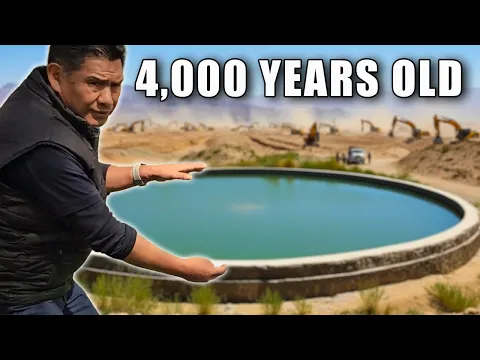

The occupation of natural areas by concrete and buildings reduced the soil’s absorption capacity.
As a consequence, surface runoff volumes increased during the rainy season, while water scarcity became more frequent in dry months, a scenario detailed in surveys presented by the Vida Restaurada channel.
Privatization of Water and Popular Reaction
In this context of environmental pressure and urban growth, the privatization of the water supply system was announced.
The contract proposed significant changes in the management and billing of the service, intensifying resistance from various sectors of society.
Among the main concerns was the possibility of concentration of water control in a single company, covering everything from urban areas to the surrounding hills and mountains.
The reaction involved farmers, city residents, unions, and community organizations.
After months of protests, the contract was terminated.
The management of water returned to the public sphere, an episode frequently cited as a milestone in Bolivia’s recent history, according to the reconstruction made by the Vida Restaurada channel.
Ancestral Knowledge and Integrated Water Management
With the end of the concession, the debate over management alternatives based on traditional practices gained ground.
For Andean peoples, water has always played a central role in social organization, food production, and the relationship with the territory.
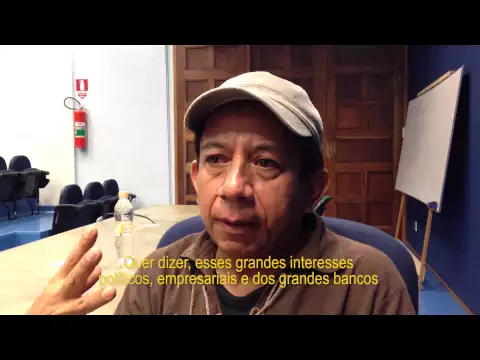
These knowledges include watershed management strategies that consider the flow of water from higher areas to agricultural zones.
In this model, soil, water, and production are treated as parts of the same system.
Environmental management specialists point out that this integrated approach tends to reduce risks of erosion, landslides, and water scarcity when applied continuously.
Reforestation with Native Andes Species
One of the actions implemented after the conflict was community reforestation.
Since the 2000s, a hillside has been protected to allow vegetation regeneration.
According to data presented in the project, 6,000 native Andean trees and about 800 cacti were planted.
The initiative is led by local residents.
The declared goal is to recover the soil, reduce erosive processes, and create more stable conditions for family agricultural production, as documented by the Vida Restaurada channel.
Agroforestry and Recovery of Degraded Areas
Alongside reforestation, areas previously marked by environmental degradation were designated for the implementation of 200 agroforestry farms.
The land was divided into small family plots.
Each area combines fruit trees, native species, and medicinal plants, forming diversified productive systems.
According to technicians monitoring similar projects, species diversity contributes to improved soil fertility, natural pest control, and greater moisture retention.
This model reduces dependence on chemical inputs and intensive irrigation.
Agricultural Production Based on Traditional Systems
Accounts from residents indicate that agroforestry has changed the dynamics of work in the fields.
The organization of cultivation areas favors production throughout the year, even during periods of lower rainfall.
Medicinal plants are also part of the implemented systems.
“This, for example, is a medicinal plant. It’s called Munya.”
Academic research indicates that similar agroforestry practices have been used in the region for thousands of years, especially in Andean and Amazonian areas.
Ancestral Reservoirs and Water Security
Another central component of the project is the construction of interconnected water reservoirs.
One of them has an estimated capacity of 500,000 liters and supplies agroforestry systems used by around 100 families.
Other structures store volumes between 380,000 and 400,000 liters, according to project information.
These reservoirs capture and redistribute water along the hillside.
The system also promotes soil infiltration and helps reduce erosion, as shown in reports from the Vida Restaurada channel that tracked the operation of the structures.
Water Available Year-Round
With the implementation of the reservoirs, irrigation began to occur even outside the rainy season.
Families report that production no longer depends exclusively on rainfall.
“In the rainy season, harvests once depended on rain, but now we can irrigate everything throughout the year with water from the reservoir.”
In areas of up to 800 square meters, farmers claim they can produce enough food for family consumption and generate surpluses for sale in local markets.
The production follows practices described as natural, without the use of fertilizers or chemical pesticides.
Food Autonomy and Community Impact
Regular access to water has changed the productive organization of communities in the region.
Reforestation projects, agroforestry, and reservoirs have begun to operate in an articulated manner.
Rural development specialists point out that experiences of this kind tend to strengthen food autonomy and family resilience in the face of drought periods.
The experience in Cochabamba continues to be monitored by researchers, social organizations, and independent media.
If community water management has contributed to reorganizing local agricultural production, what lessons might this model offer to other regions facing water scarcity?


