Portuguese
  Spanish


The international oil market recorded a decline after statements by former United States President Donald Trump, indicating that there may be an intervention to assist ships detained in the Strait of Hormuz. The signal was interpreted as a possible relief for the logistical crisis that has been pressuring the global supply of the commodity.
The movement occurs at one of the most delicate moments in the energy sector in recent years. Since the beginning of the conflict involving the United States, Iran, and allies, the flow of oil through the world’s main maritime route has been drastically reduced, generating tension in the markets and raising prices to historical levels.

Trump’s statements change the mood of the oil market
The decline in oil came shortly after Trump indicated that he intends to act to help vessels that remain detained in the region. The statement brought a new perspective to the market, which had been operating under heavy pressure due to the possibility of global supply shortages.
-
OPEC+ Boosts Oil Supply by 188,000 Barrels per Day in July 2026, Leading to Price Drop from $112 to $89 per Barrel in Under Two Months

-
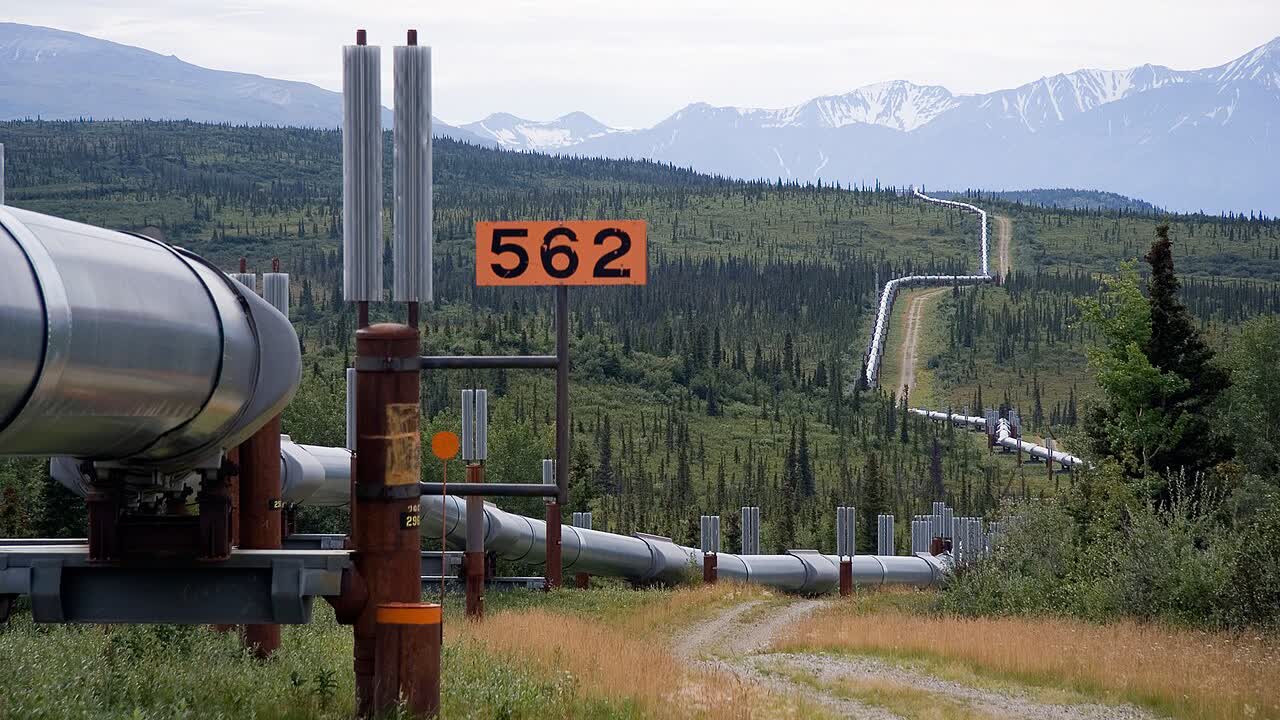
TotalEnergies Signs 20-Year Deal to Purchase 2 Million Tons of LNG from Alaska, Boosting Project Viability
-
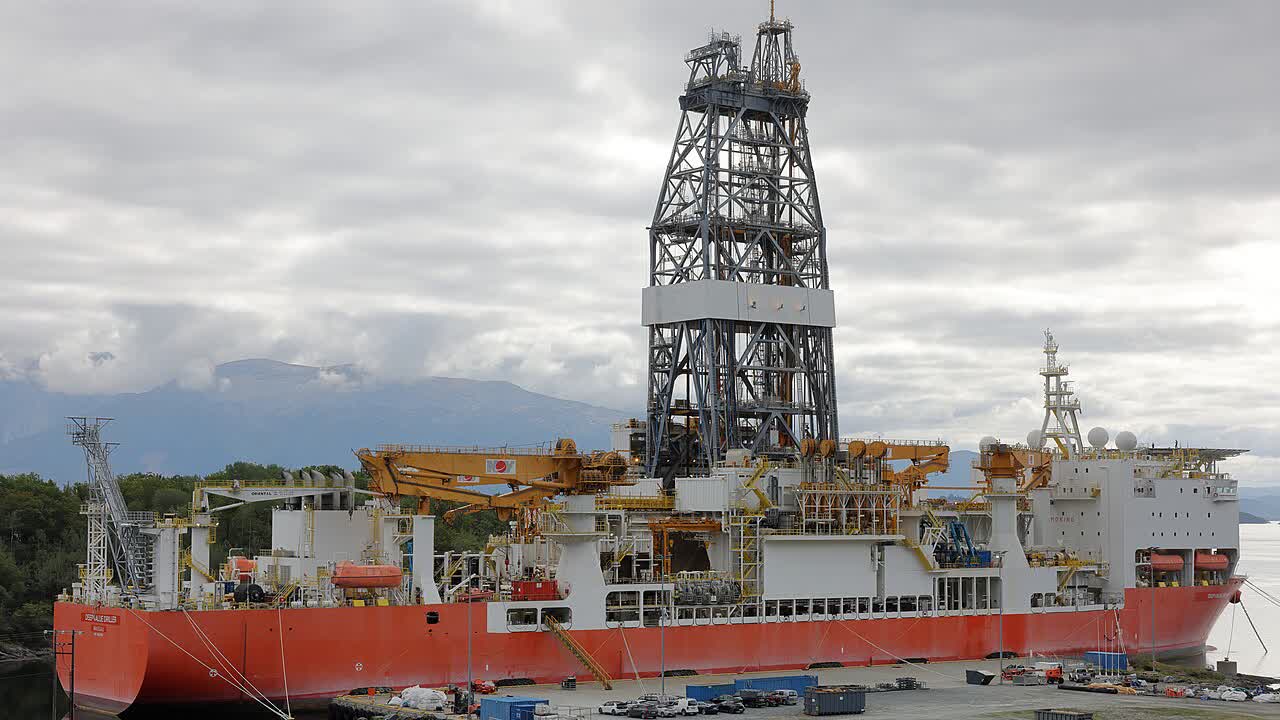
Turkey Deploys Çağrı Bey Drilling Ship to Explore New Oil Frontier Off Somalia’s Coast
-
Golden Pass LNG Ships First Liquefied Gas Cargo from the U.S., Completing $10 Billion QatarEnergy and ExxonMobil Investment

Investors interpreted the stance as a sign that there may be a partial resumption of oil flow, reducing the immediate risk of scarcity. This type of reaction is common, as the commodity market responds quickly to any changes in the geopolitical scenario.
In previous episodes, similar statements have already caused sharp movements in prices. In March 2026, for example, oil fell by more than 6% after forecasts of a reduction in the Middle East conflict.
Strait of Hormuz is the most sensitive point of global oil
The Strait of Hormuz is considered the main logistical bottleneck for world oil. Located between Iran and Oman, the maritime corridor is responsible for about 20% of all oil transported globally.
With the worsening of the crisis in 2026, the traffic of oil tankers plummeted. Data indicate that maritime flow fell drastically, with a reduction of up to 70% in crossings, in addition to dozens of vessels prevented from continuing their journey due to security issues.
This scenario created a domino effect on the global market. Without free passage through the strait, alternative routes began to be used, increasing logistical costs and delaying deliveries on a global scale.
Recent oil decline occurs after strong historical rise
Before the recent decline, oil had been accumulating significant increases. Amid the crisis, the barrel exceeded US$ 126, reaching the highest level since 2022, driven by fears of a prolonged interruption in global supply.
The price escalation reflected fears that the conflict would prolong and completely block the planet’s main energy route. As a result, importing countries began to face difficulties in ensuring supply, while governments resorted to strategic reserves.
The recent decline, therefore, does not represent a definitive reversal of the trend, but rather a punctual reaction to the new expectations generated by political statements.

Detained ships and logistical collapse pressure the sector
One of the main factors influencing prices was the large number of ships detained in the Persian Gulf region. It is estimated that thousands of sailors are trapped on vessels, while traffic in the strait fell by up to 90% during certain periods of the crisis.
Additionally, the drastic reduction in the number of crossings directly impacted the global energy chain. Import-dependent countries, especially in Asia, began to face fuel shortages and increased costs.
Shipping companies also reduced or suspended operations in the region, further increasing pressure on the global logistics system.
Possible intervention may relieve, but the scenario is still unstable
The proposal for U.S. action to assist ships may represent a first step towards normalizing the flow. However, experts warn that the scenario is still far from a definitive solution.
Even with signs of intervention, Iran continues to exert strong control over navigation in the region, which keeps the risk high for new interruptions. Additionally, any military escalation could quickly reverse the positive effects observed in the market.
Analysts highlight that the current balance is extremely fragile. Small changes in the political scenario can generate large fluctuations in oil prices within hours.
Market remains highly sensitive to political decisions
The recent behavior reinforces how oil continues to be one of the commodities most dependent on geopolitical factors. Unlike other markets, where supply and demand follow more predictable patterns, oil reacts immediately to political statements, conflicts, and strategic decisions.
The crisis in the Strait of Hormuz highlights this scenario. Even without concrete changes in production flow, just the expectation of improvement was enough to prevent price increases.
On the other hand, uncertainty remains high. The market remains attentive to new announcements, diplomatic negotiations, and possible military actions that could influence global supply.

Global energy crisis may still intensify
Despite the temporary drop, experts warn that the impact of the crisis in the Strait of Hormuz has not yet been fully absorbed by the market. With stocks being consumed and more expensive alternative routes, pressure on prices may rise again in the coming weeks.
Energy sector executives state that the scenario could worsen if the blockade persists. The reduction in oil flow tends to affect not only prices but also the economic stability of various countries dependent on the commodity.
Furthermore, the crisis is already beginning to impact other sectors, such as transportation, industry, and food, extending the effects beyond the energy market.
Oil remains at the center of global tensions in 2026
The current scenario reinforces the strategic importance of oil in the global context. Even with the advancement of alternative energy sources, the commodity still plays a central role in the world economy.
The crisis in the Strait of Hormuz shows how a single geographical point can directly influence the functioning of entire global markets. With about one-fifth of the world’s oil passing through the region, any interruption generates immediate impacts on an international scale.
As long as there is no definitive solution to the conflict, the trend is for volatility to continue. Oil is expected to continue reacting to each new piece of information, keeping investors and governments in a constant state of alert.