






 Portuguese
  Spanish
  3 min of reading
  0 comments


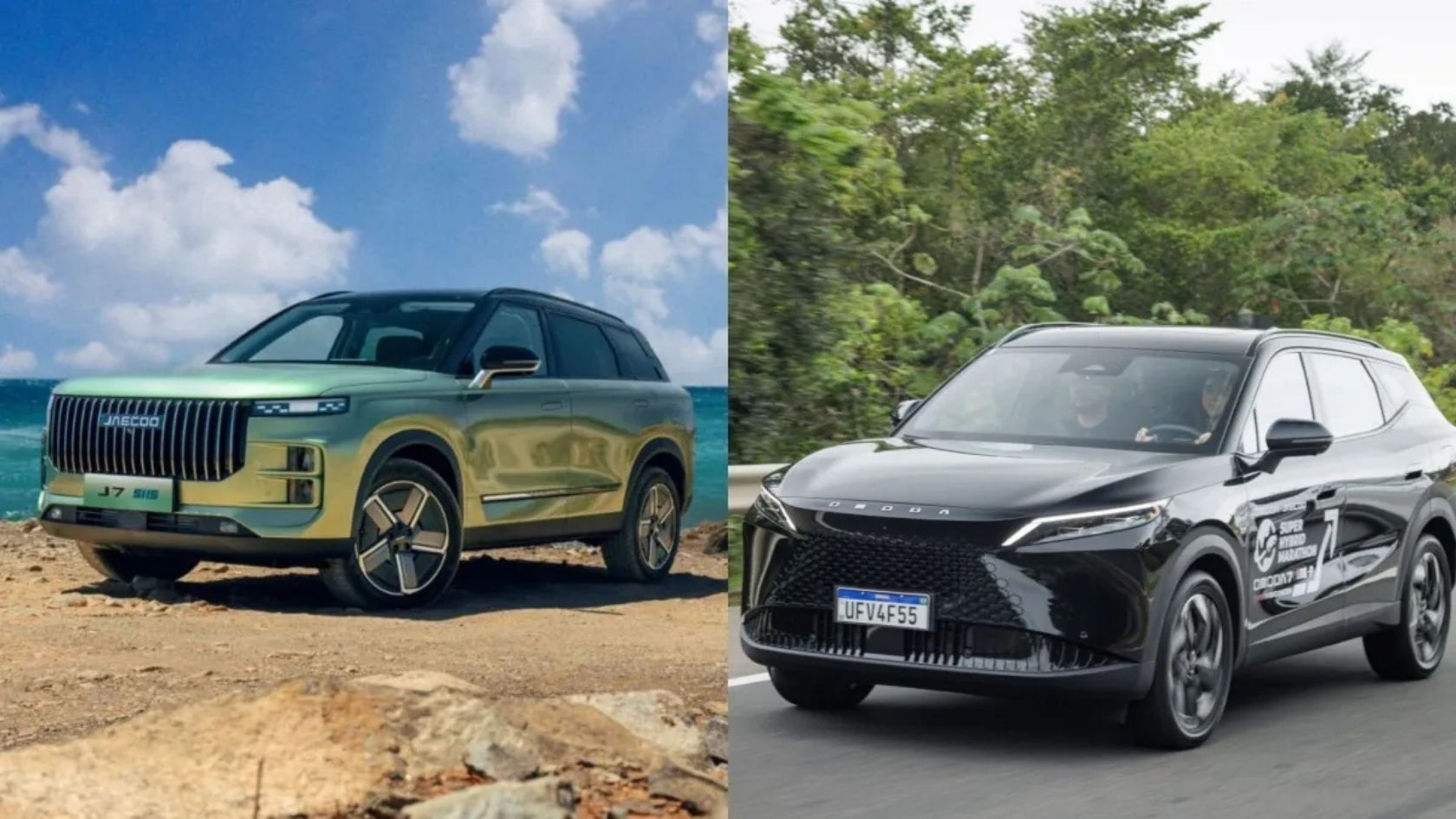
The new Chinese model arrives in the national market with adapted engineering and a focus on cost-effectiveness to democratize access to plug-in hybrid technology.
The Chinese manufacturer Omoda & Jaecoo announced the launch of a new plug-in hybrid SUV under R$ 200,000 in the Brazilian market.
The commercial strategy aims to increase the brand’s share in the entry-level electrified vehicle segment, offering advanced technology at competitive prices. The new model promises a combined range of up to 1,200 kilometers, positioning itself as a highly efficient option for local consumers.
Brazilian engineering and focus on connectivity
The project of the new vehicle involved active participation from the engineering team based in Brazil to ensure that the product meets the preferences of the national driver.
-
Uber Faces Shareholder Scrutiny as Board Accused of Ignoring Safety, Compliance, and Harassment Warnings Amid Over 3,500 U.S. Lawsuits

-
Ferrari’s First Electric Car Divides Fans, Priced at $630,000, Amid Concerns Over Limited Editions; Brand Clarifies It’s Not Just for Future Perks
-
BYD Dolphin Mini: The Electric Car That Defies Depreciation, Losing Only 3.58% in a Year and Becoming the Best-Selling Retail Model Under $22,000

-
Electric Car JAC E-JS4 Loses $19,000 in Value in One Year, Leading Record Depreciation of Used Cars in Brazil Due to Expensive Battery and New Models


In addition to specific adjustments in design and suspension, the brand preserved items considered essential for comfort and safety. Connectivity remains one of the pillars of the onboard experience, integrating technologies that facilitate user interaction with the vehicle.
The launch occurs at a time when Omoda & Jaecoo celebrates the milestone of 10,000 units sold in Brazilian territory. This new plug-in hybrid SUV under R$ 200,000 was developed to balance the performance of combustion engines with the efficiency of larger batteries.
The proposal is to allow the vehicle to cover considerable distances using exclusively electric mode in urban routes.
Line expansion and new models for 2026
The arrival of this model is part of a robust schedule that anticipates the launch of three new cars by the manufacturer still in 2026. Among the expected novelties are the Jaecoo 8, a larger SUV, and the J5, which features a mid-range proposal and electric propulsion.
The diversification of the fleet is a clear attempt to compete in sales arenas dominated by already established models such as the Hyundai Creta and the Honda HR-V.
The company’s strategy also includes studying regions for the establishment of its own factory on national soil in the coming years. With the plug-in hybrid SUV under R$ 200,000, the brand seeks to strengthen its image of innovation and accessibility within the automotive landscape. The investment in local infrastructure reinforces the manufacturer’s long-term commitment to the development of the electrified industry in the country.
Technological differentials and market competitiveness
The plug-in hybrid system (PHEV) of the new sports utility vehicle is characterized by being more robust than conventional hybrid systems. This technology allows for external recharges, ensuring that the plug-in hybrid SUV under R$ 200,000 delivers the best of both worlds in terms of power and efficiency. The brand bets on the cost-benefit relationship to attract customers who wish to migrate to electrification without giving up long-range autonomy.
In addition to this model, Omoda & Jaecoo plans to introduce the Omoda 4, a combustion compact that will compete directly with vehicles like the Jeep Renegade and the Volkswagen Nivus.
The goal is to consolidate a network of dealerships and services that supports the accelerated growth of the fleet in major urban centers. The technological advancement presented in this launch signals a new phase of competitiveness for the SUV market in Brazil.
With information from CNN BRASIL





Be the first to react!