Portuguese
  Spanish




Deaths In Bat Colonies In Victoria, New South Wales And South Australia Spark Alert For Immediate Impact On Native Wildlife
The heat wave that hit Southeast Australia last week caused the death of thousands of flying foxes, in the largest mass mortality event of these animals since the Black Summer.
The losses spread across colonies in South Australia, Victoria, and New South Wales, with a stronger impact on the grey-headed flying fox, a species classified as vulnerable under federal environmental laws. The situation also increased pressure on rescue teams and veterinary care.
Volunteers Find Thousands Of Dead Animals In Brimbank Park In Melbourne
In Brimbank Park, in Melbourne, volunteers located thousands of dead bats. In other locations, such as the camps of Yarra Bend and Tatura, there were reports of hundreds of lifeless animals, increasing the emergency situation in different areas.
-
15-Year-Old Entrepreneur Malu Lira Publishes 20 Children’s Books on Financial Education, Earns $500,000, and Expands Her Project to the Amazon Rainforest

-
Entrepreneur Turns Rio Cemetery Canteen into a Successful Snack Chain Generating $4.9 Million Annually and Expanding to Metro Stations

-
Rare fox feared “extinct” found alive on Caribbean island after over two decades without official sightings

-
21-Year-Old Brazilian Student Turns Homemade Popsicle Hobby into $100,000-a-Month Business





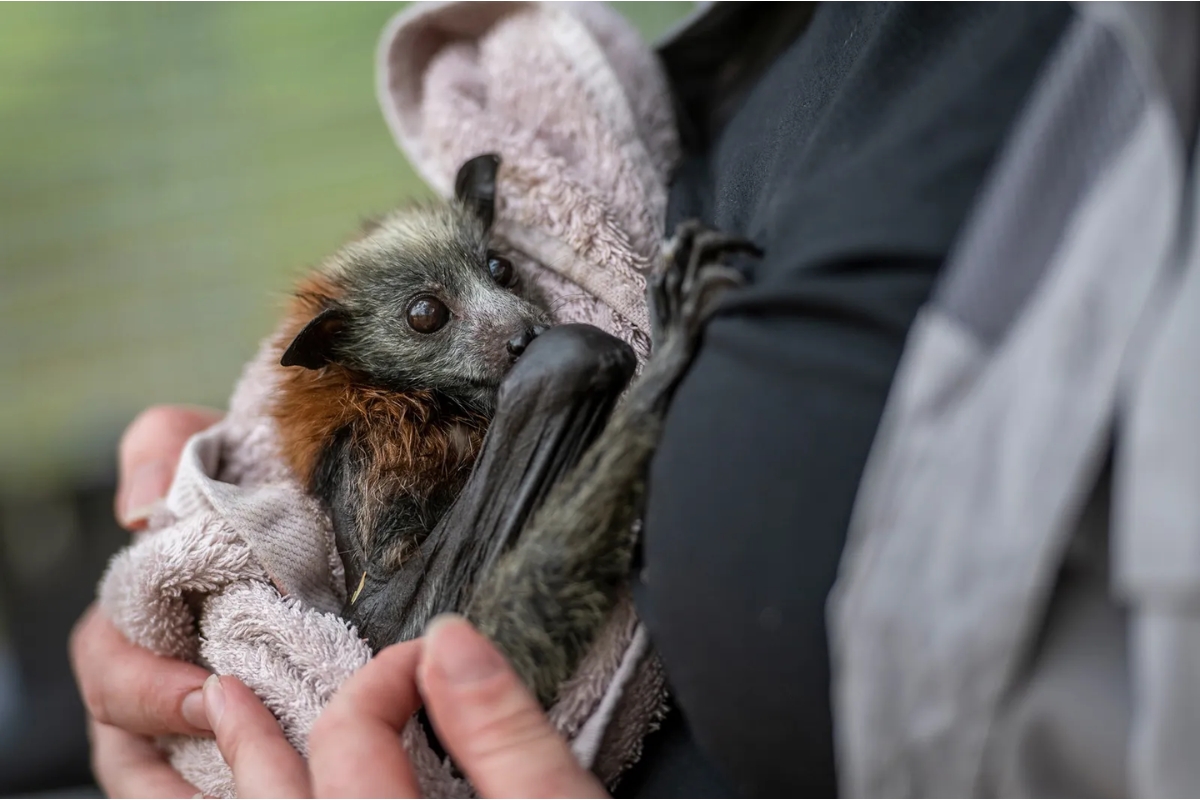
The rescue attempted to reduce the losses, with special attention to pups that remained clinging to their already dead mothers. Without intervention, these orphans tend to die from heat stress, starvation, or predation, exacerbating the decline in short-term survival.
Heat Above 42 Degrees Puts Flying Foxes At Physiological Limit

Temperatures above 42 degrees are known to cause mortality in flying foxes, and the recent heat wave pushed the colonies back to that limit. In more exposed areas, such as trees with less shade and the riverbank with warm soil, many adults could not survive.
The combination of dehydration and heat stroke makes survival physiologically very difficult above this threshold. Even with rescue efforts, the number of affected animals was too great to avoid a severe toll.
Estimates Indicate 1000 To 2000 Deaths In South Australia And Up To 1000 In New South Wales
Researchers were still tallying the losses, with estimates of 1000 to 2000 flying foxes dead in South Australia, thousands in Victoria, and up to 1000 in New South Wales. The episode became the most significant mass mortality event since 2019 20.
The recent history shows the scale that heat waves can reach. In the Black Summer, over 72,000 flying foxes died in eight separate episodes of extreme heat, and a deadly wave in 2018 wiped out 23,000 spectacled flying foxes in Queensland, about one third of the population at that time.
Adelaide Hits 43 °C And Melbourne And Sydney Exceed 42 °C On Hottest Day
The heat week was marked by high maxima in major centers and regions. Adelaide reached 43 °C on consecutive days, while Melbourne and Sydney exceeded 42 °C on the hottest day.
The situation was also seen in suburbs and regional areas, with maxima recorded between 4 and 4 °C in the reported stretch. Even with the inconsistency of the number, the central point remains that intense heat spread and kept colonies under continuous stress.
Double Effect Of Heat Reduces Food And Makes Flying Difficult, Affecting Mothers And Pups
The strong heat generated a double effect, putting the animals under direct stress and also hindering the search for food. Flying becomes more difficult in extreme temperatures, and the availability of nectar from eucalyptus flowers decreases, reducing energy available to sustain the colony.
Mothers and pups were the most affected, compromising the recovery of the populations. When reproduction suffers significant losses, the return to balance tends to be slower, even after the peak of heat ends.
Signs Of Suffering Include Spreading Wings, Descending From Trees And Trying To Go To The River
Before dying, many animals showed clear signs of distress. Among the described behaviors are spreading their wings, starting to descend from the trees, panting, and in some cases, trying to fly to dive into the river.
With temperatures above 42 °C, dehydration and heat stroke set in quickly. This pattern helps explain why events of intense heat can cause mass mortality, especially in large colonies located in urban areas.
Public Guidance, Never Try To Rescue A Bat Alone
The recommendation to the public is straightforward: never try to rescue any sick, injured, or orphaned bat on your own. The advised route is to contact the nearest wildlife organization, which reduces risk to people and increases the chance of correct care.
Wildlife Victoria expanded its emergency response capacity in light of the increase in cases and activated a mobile veterinary service to assist a flying fox colony considered critical at the national level. The episode also exposed the overload on volunteers and a veterinary sector with limited resources, in a scenario without a national wildlife rescue strategy.
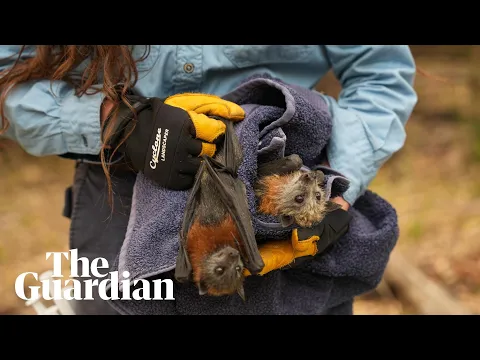

The extreme heat did not only affect the flying foxes, but these deaths are more apparent because the animals gather in large groups, often in urban centers. Therefore, the visible loss acts as a warning of what may be happening with other species during more frequent and intense heat waves.
The season had already been marked by many orphaned pups, and the heat peak worsened the crisis. With new occurrences of high temperatures, the pressure on rescue, care, and rehabilitation tends to grow, while the most sensitive populations face greater difficulty in recovering.
This content was based on information published by the newspaper The Guardian, a British news outlet with international coverage of environmental, scientific, and social issues.