






 Portuguese
  Spanish


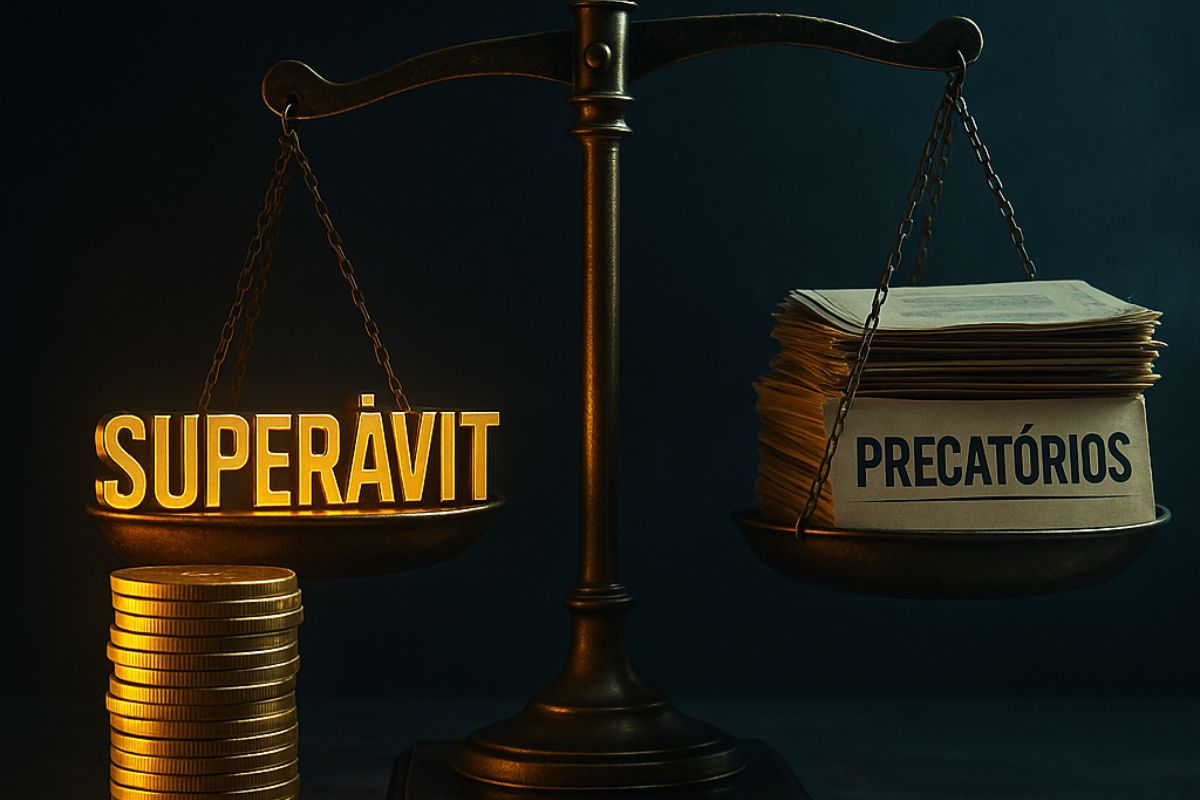


The Government Promises Surplus in 2026, But Only “Stays in the Black” Because It Excludes R$ 57.8 Billion in Precatórios from the Account; In Practice, It Is Still a Deficit.
The government presented to Congress the budget proposal for 2026 with two noteworthy novidades: the projected minimum wage of R$ 1,631 and the promise of a primary surplus of R$ 34.3 billion, equivalent to 0.25% of GDP. On paper, this would be the first time that President Lula’s third term would end the year “in the black.”
However, according to a report from Times Brasil, this result is not as positive as it seems. This is because the official calculation excludes R$ 57.8 billion in precatórios judicial debts that the Union is obliged to pay. If this amount were considered, the country would, in practice, have a deficit of R$ 23.3 billion.
What Changes with the Minimum Wage of R$ 1,631
The minimum wage projected for 2026 represents a 7.45% increase compared to the current value of R$ 1,518. This adjustment follows the correction rule that considers inflation and GDP growth. Nonetheless, the value will only be confirmed in December 2025, when the year’s INPC is closed.
-
Brazil’s 2026 Tax Refund: Record 9.58 Million Filers in Largest Payout Ever, But a Key Detail on Priority Recipients Draws Nationwide Attention

-
Itaú Alters Hybrid Work Model, Increasing Office Days from 2028, Prompting Employees to Adjust to New Routine
-
Facing Labor Shortage, Japan Plans to Invest $34 Million to Attract Foreign Workers in Construction, Healthcare, Industry, and Commerce

-
Brazilian City Makes Remarkable Leap, Becomes 4th Wealthiest in the Country with GDP of R$ 134.1 Billion




For millions of workers, retirees, and beneficiaries of social programs, this amount serves as a direct income reference. Therefore, the impact of the increase goes beyond the payroll: it affects benefits such as pensions, unemployment insurance, and BPC.
The Precatórios Trick in the Fiscal Result
The government highlights the surplus of R$ 34.3 billion as a sign of fiscal responsibility. However, by removing the precatórios from the account, a “makeup” in the result is created. Experts explain that, although the payment of these debts is suspended from the official calculation, they still exist and will have to be settled at some point, generating pressure on future accounts.
This practice is seen as an accounting adjustment that improves the political narrative, but does not solve the structural problem of public finances. The result is that, while the budget shows balance, the reality is one of deficit.
The Impact on the Middle Class and Fiscal Adjustment
The budget also provides for a cut of R$ 19.6 billion in tax benefits considered unconstitutional or inefficient. The idea is to preserve only incentives that are provided for in the Constitution. This, according to the Ministry of Finance, would help to increase revenue and compensate for part of the loss with the precatórios.
Still, economists warn that the effort is insufficient to balance the accounts sustainably. The real challenge is to reduce mandatory spending and expand the tax base without compromising economic activity.
The announcement that the minimum wage will be R$ 1,631 in 2026 sounds like relief for workers, but the backdrop of public accounts presents a much more concerning scenario. With the exclusion of the precatórios, the government creates the impression that finances are in the black, when in practice the deficit continues.
And you, do you believe that the government’s strategy is valid to “buy time” or do you consider it a dangerous maneuver that could cost dearly in the future? Leave your opinion in the comments — we want to hear from those who live this reality daily.









PRECATORIOS ESSE DO GOVERNO BOLSONARO