






 Portuguese
  Spanish


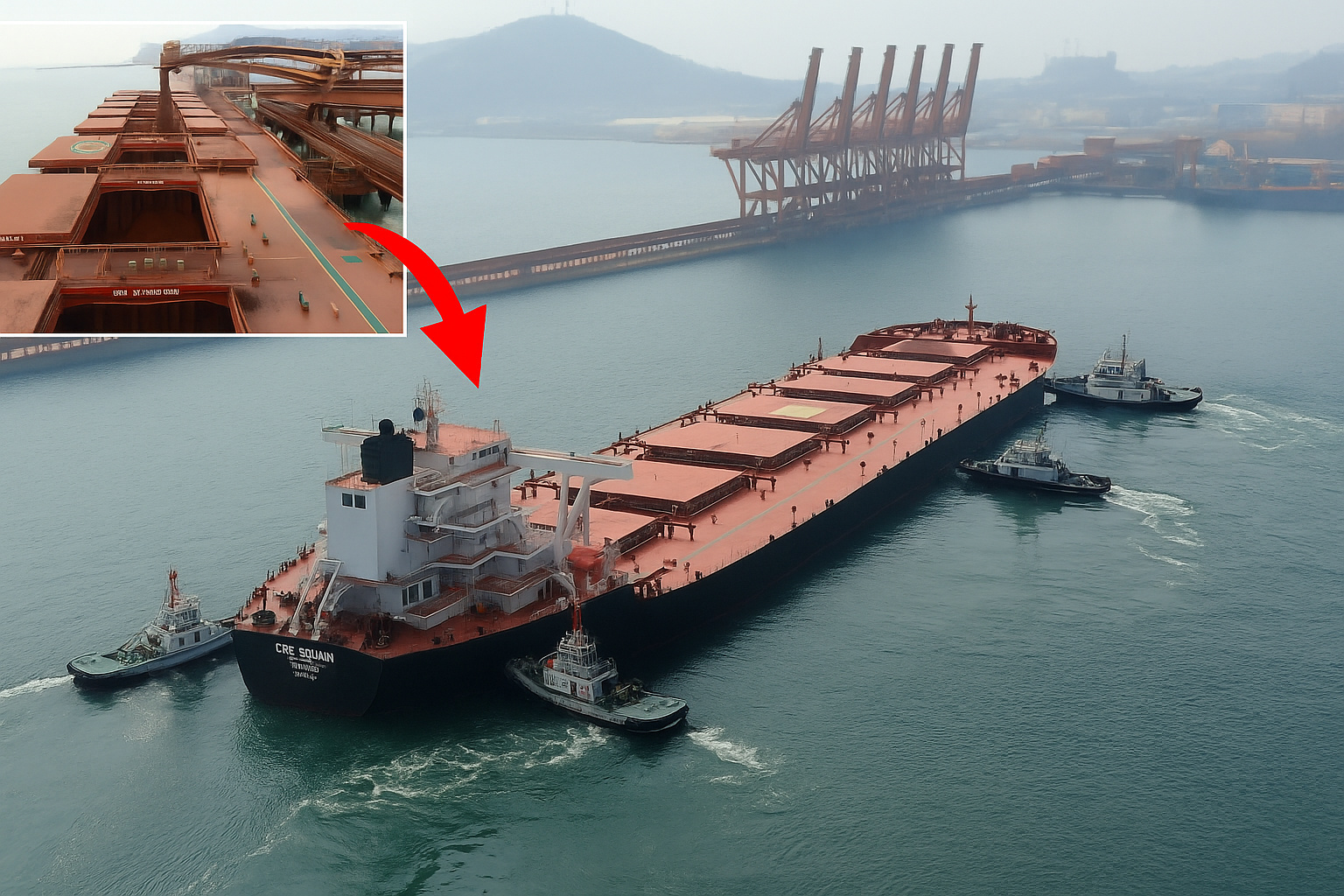


Discover How The Mining Company Vale Created The Largest Bulk Carriers In The World, With 400 Thousand Tons Of Ore, And Faced Challenges To Operate In Selected Ports.
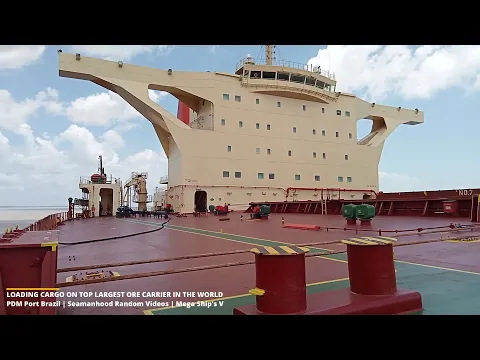
Imagine a ship so large that, when approaching a port, it makes it seem like the entire land structure needs to prepare to receive it. This is the reality of the largest bulk carriers in the world, the so-called super bulk carriers known as Valemax. Created by the mining company Vale in the late 2000s, these sea giants were designed to optimize the transportation of ore from Brazil to Asia, reducing costs, emissions, and travel time on one of the most strategic routes of global trade.
The Origin Of Vale’s Super Bulk Carriers
The idea of developing the largest bulk carriers in the world arose in a context of high demand for iron ore, especially from China, and high logistical costs for Vale. The Brazilian mining company wanted to reduce shipping costs while ensuring greater environmental efficiency. The approach was bold: to create a new category of vessel capable of transporting up to 400 thousand tons of cargo in a single trip.
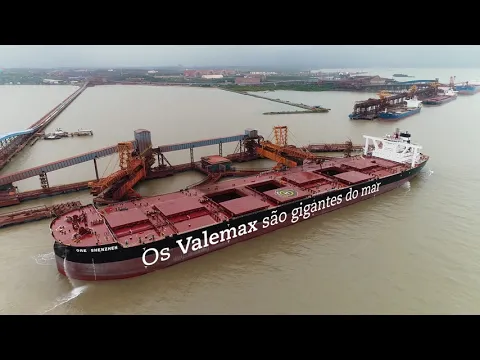

The first contracts for the construction of the Valemax were signed in 2008, with shipyards in China, South Korea, and Japan. The project envisioned ships measuring up to 362 meters in length, 65 meters in width, and a draft of up to 23 meters when fully loaded. That was enough to carry almost double the cargo of traditional Capesize ships.
-
The FLIP: A 108-Meter Ocean Laboratory That Stood Vertically for 60 Years, Dismantled in 2023

-
North Korean Fiasco: Launch of the Largest Warship Ends in Sinking

-
While giant ships still burn heavy fuel and the maritime sector races against climate targets, Maersk and Vale are starting to bet on ethanol as a new route to reduce emissions at sea.

-
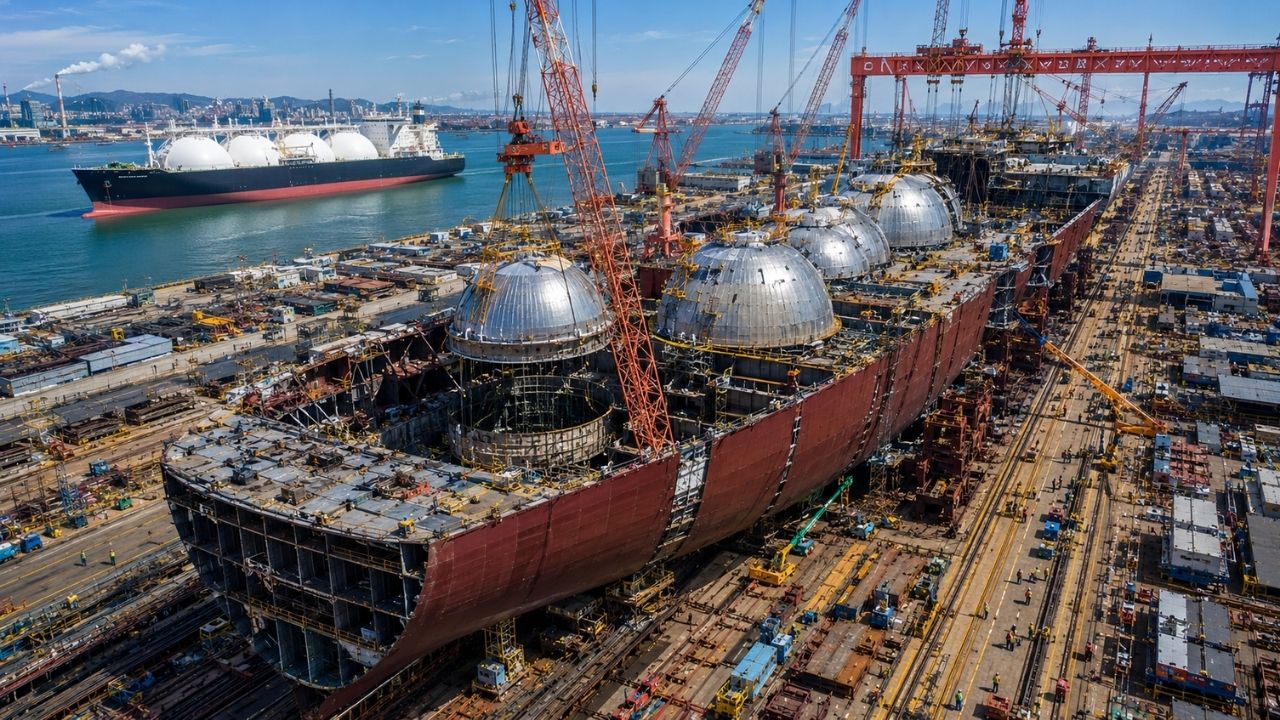
China begins construction of the world’s largest LNG ship, a 344-meter giant capable of supplying 4.7 million homes for a month, carrying 271,000 m³ of gas, and placing QatarEnergy in the largest naval order ever recorded in world history.


A Grand Project, With Proportional Challenges
The construction of Vale’s super bulk carriers involved a true naval engineering effort. The Valemax were designed not only to carry more but also to consume less fuel per ton transported. According to the company’s own data, these ships reduce costs by up to 35% per ton and emissions of CO₂ by up to 41% compared to smaller vessels.
However, their substantial size also brought limitations. The Valemax are so large that they can only dock at specially prepared ports, with infrastructure, depth, and maneuvering space compatible with their dimensions. Therefore, Vale had to collaborate with governments and port operators to adapt terminals in Brazil, Oman, Malaysia, and later, China.
The Controversy With China And The Adaptation Of Strategy
Shortly after the start of Valemax operations, the mining company Vale faced an unexpected problem: in 2012, China, its main export destination, banned the entry of ships with more than 300 thousand tons of gross tonnage into its ports. The official justification was the risk to port facilities’ security, but analysts pointed to motivations related to protectionism and the defense of the local shipbuilding industry.
Vale needed to adapt. Part of the fleet was sold to Chinese shipowners and chartered back by the mining company on long-term contracts. In addition, intermediate terminals were used for transshipment, such as the terminal in Teluk Rubiah, Malaysia, which began functioning as a hub for the ore before being sent on smaller vessels to Chinese ports. It was not until 2015 that the Valemax began to dock directly in China.
The Legacy And The Future Of The Largest Bulk Carriers In The World
The Valemax super bulk carriers continue to be a reference in global ore logistics. They helped reduce the cost of maritime transport, made the export chain more efficient, and decreased the carbon footprint of the mining company. The concept of larger and more efficient ships inspired other companies and shipowners around the world.
Today, the debate about cleaner and more efficient maritime transportation rekindles the relevance of the Valemax. With global discussions about emission limits and alternative fuels, Vale and its partners are seeking new solutions, such as adapting the giants for greener technologies or developing hybrid and even more advanced versions.
The challenge of balancing scale, efficiency, and sustainability remains on the mining company’s radar. But one thing is certain: the Valemax have already made history as the giants of the seas that transformed ore transportation and placed Brazil at the center of global naval engineering.





Navio de empresa brasileira, exportando minério brasileiro, mas com ZERO EMPREGO para o país uma vez que as tripulações são estrangeiras e estes navios foram projetados e construídos no exterior. E quem se beneficia com os fretes também são armadores estrangeiros! Em outras palavras, esse projeto só serviu para dar emprego e dinheiro pra gringo em detrimento de nossos estaleiros e de nossa Marinha Mercante! Vergonha!
O que leva uma criatura a reagir a esta matéria com 😂?