Portuguese
  Spanish



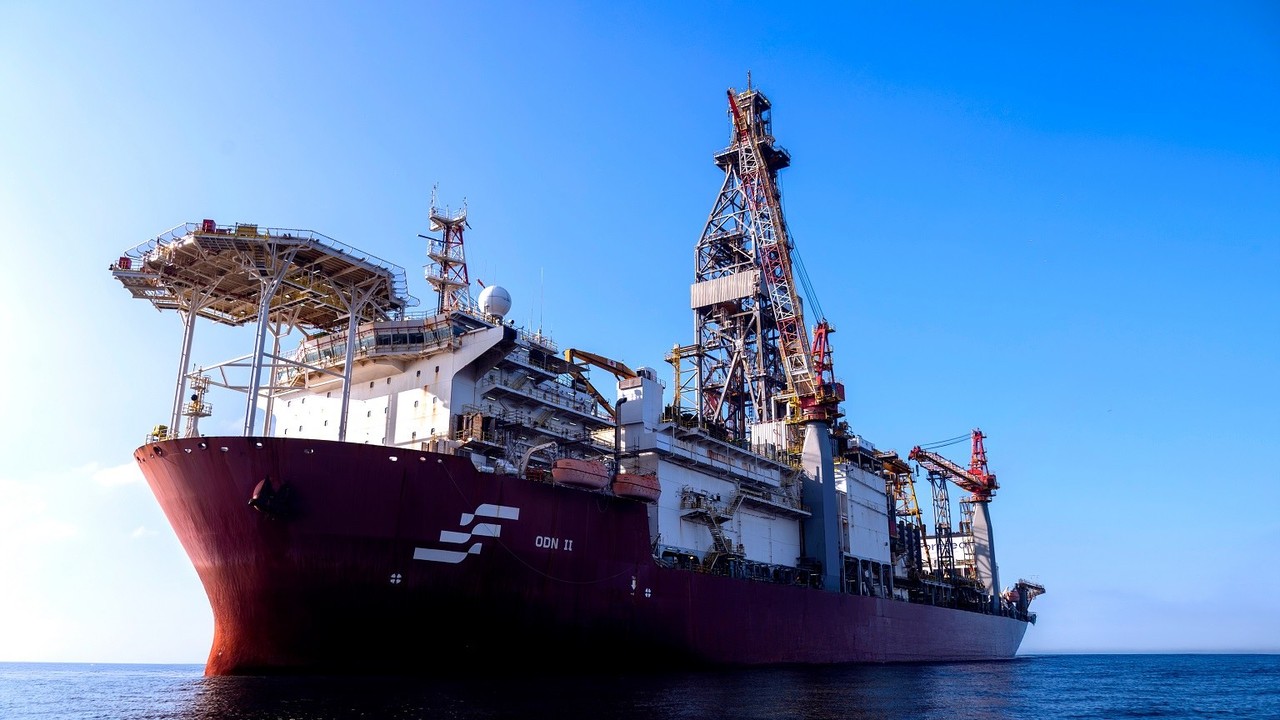
Recent Oil Fluctuations Caused by Tensions in Iran and Venezuela Increase Uncertainties About Fuel Prices in Brazil in a Sensitive Year for the Economy.
The start of the year was marked by strong fluctuations in the international oil market, a movement that has once again pressured the debate on fuel prices in Brazil. The recent variations in barrel prices are directly linked to the geopolitical tensions involving major producers, such as Iran and Venezuela, creating an uncertain environment for possible adjustments in the domestic market.
This scenario becomes even more delicate as it occurs at the beginning of an election year, when changes in gasoline and diesel prices tend to have a high political and social impact.
Significant Declines Interrupt Oil Price Increase Sequence
After five consecutive sessions of appreciation, the market changed direction on Thursday (15/1). The Brent barrel recorded a decrease of 4.14%, trading at US$ 63.76. Meanwhile, WTI ended the day priced at US$ 59.19, down 4.56%.
-
Petrobras Explores Entry into Corn Ethanol Market, Aiming to Become a Biofuel Giant

-
Brazil’s $8.5 Billion Auction Secures New Power Plants to Prevent Peak Hour Energy Shortages
-
Why Gasoline Prices Remain Stable: How Petrobras’ Subsidies and Pricing Policies Control Fuel Costs in Brazil
-
SpaceX Plans 13 km Pipeline to Reduce Truck Reliance and Speed Up Starship Rocket Launches in the U.S.


The previous sequence of increases had been sustained mainly by uncertainties related to Iran, one of the world’s largest oil producers. The country is facing a wave of protests against the current government, raising fears of possible supply disruptions.
Political Signals Reduce Tensions and Ease the Market
The downward movement gained strength after statements from U.S. President Donald Trump. He indicated that he does not intend to attack Iran, despite expressing support for the recent protests in the country. The statement was interpreted as an immediate relief factor for the international market.
Another element that contributed to the change in mood was Venezuela’s position. Interim President Delcy Rodríguez indicated that she intends to implement reforms to attract investments and increase oil production. According to Rodríguez, the country produced 1.2 million barrels per day in December.
Surplus Expectations Return to the Global Radar
With the easing of tensions between the United States and Iran, coupled with the prospect of increased Venezuelan supply, the market has resumed considering a scenario of commodity surplus. These projections had already been outlined for 2026 and indicated a downward trend in oil prices.
Before the recent geopolitical crises, the commodity was following a path of depreciation. The resumption of this movement reinforces doubts about the sustainability of the increases observed at the beginning of the year.
Petrobras Remains Cautious Amid Volatility
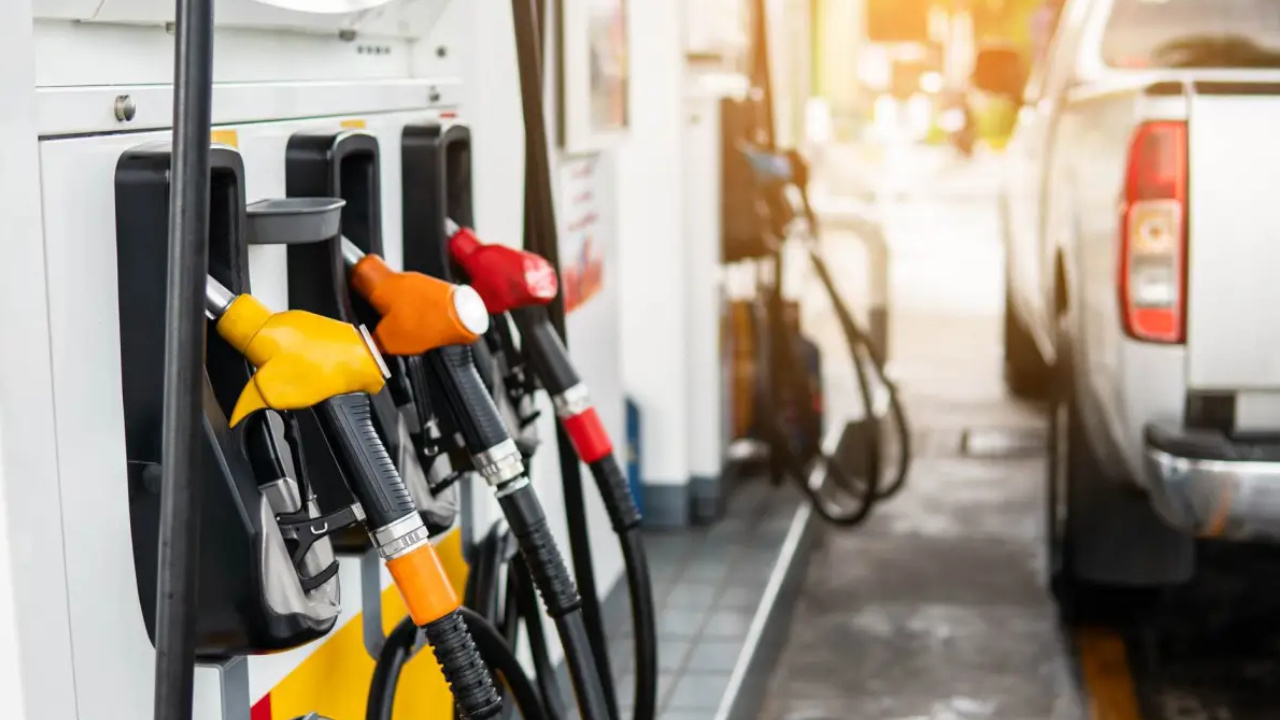
In Brazil, fluctuations in international oil prices increase uncertainties about when Petrobras will be able to adjust fuel prices. The state-owned company has adopted a policy of “gradual movements,” avoiding passing short-term variations on to the final consumer.
Currently, diesel prices have remained unchanged since May. For gasoline, the last adjustment occurred in October. Nevertheless, in recent weeks, the prices practiced by Petrobras were above international quotations on several occasions.
Price Difference Opens Space for Importers
According to the Brazilian Association of Fuel Importers (Abicom), this difference has opened space for importer activity. The entity estimates that on January 7, the liter of gasoline sold by the state-owned company was R$ 0.34 above the international price. On the same day, diesel was R$ 0.17 above parity.
By Thursday (15), Abicom indicated that gasoline remained R$ 0.22 above global prices, which would indicate room for a reduction of about 8%. Diesel, on the other hand, was R$ 0.13 below international parity, with an estimated difference of 4%.


Pricing Goes Beyond the Oil Barrel
In determining fuel prices at refineries, Petrobras does not consider only the Brent quotation or export parity. The state-owned company also evaluates exchange rate trends and market share dynamics, factors that directly influence its commercial strategy.
Meanwhile, the issue remains sensitive for the population. Since January 1, 2026, the increase in state taxes has come into effect, which is already impacting the consumer’s pocket.
ICMS Increase Pressures Fuel Inflation
The ICMS adjustment has a direct impact on the inflation of diesel, gasoline, and cooking gas (GLP). Thus, even in the face of international volatility and possible declines in oil prices, the cost of fuels in Brazil remains surrounded by uncertainties, combining external factors, internal decisions, and increased tax burdens.