Portuguese
  Spanish


With 10,000 Soldiers from Nine Countries, NATO Conducts Its Largest Military Exercise of the Year Without Direct Support from the U.S.! Steadfast Dart 2025 Tests the New Allied Reaction Force, Capable of Mobilizing in 10 Days, as the War in Ukraine Approaches Its Third Year and Trump Pressures Europe to Fund Its Own Defense.
In light of the uncertainty about the U.S. commitment to European defense, NATO has decided to act on its own. The Steadfast Dart 2025 exercise, held in Greece, Bulgaria, and Romania, simulates a rapid military response to a potential conflict in the region. For the first time, the U.S. is not participating actively, underscoring the need for Europe to strengthen its military independence.
The message is clear: Europeans need to be ready to defend themselves without relying on Washington.
10,000 Soldiers, Three Countries, and Nine Nations Involved

This is one of NATO’s largest military training exercises in recent years. Forces from the United Kingdom, France, Greece, Italy, Romania, Spain, Turkey, Bulgaria, and Slovenia have joined efforts to test rapid response strategies.
-
New Brazilian Frigate Equipped with Advanced Missiles and Radars to Safeguard Strategic Maritime Areas

-
New Brazilian Frigate Equipped with Advanced Missiles and Radars to Protect Strategic Maritime Areas, Including the Blue Amazon and Pre-Salt Reserves
-
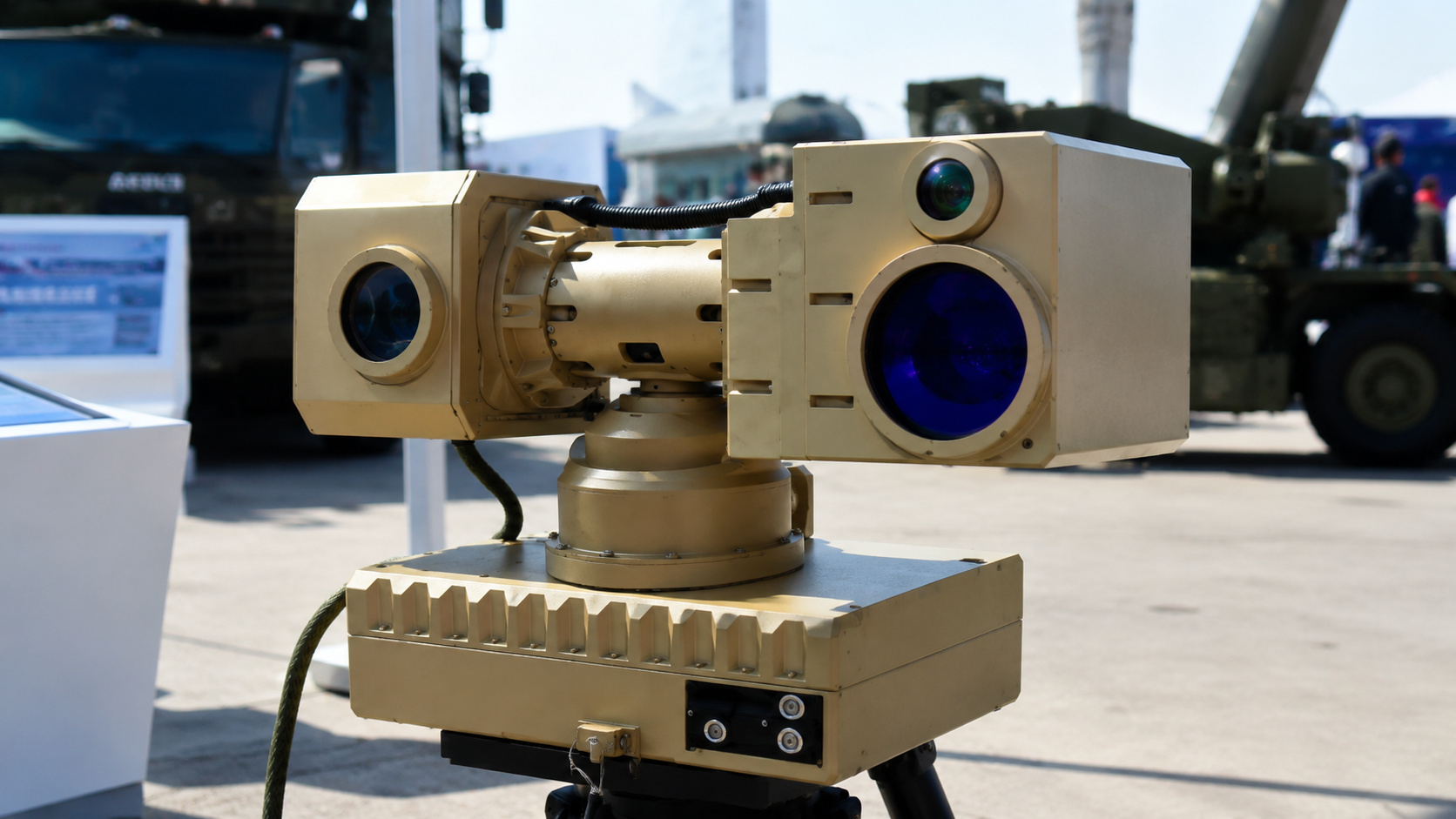
China Unveils Laser Weapon Capable of Instantly Neutralizing Military Drones, Marking a Significant Advancement in Air Defense Technology
-
U.S. Navy’s Ticonderoga-class Cruiser Becomes a 9,800-Ton Missile Fortress with Advanced Aegis System Capable of Tracking Hundreds of Targets



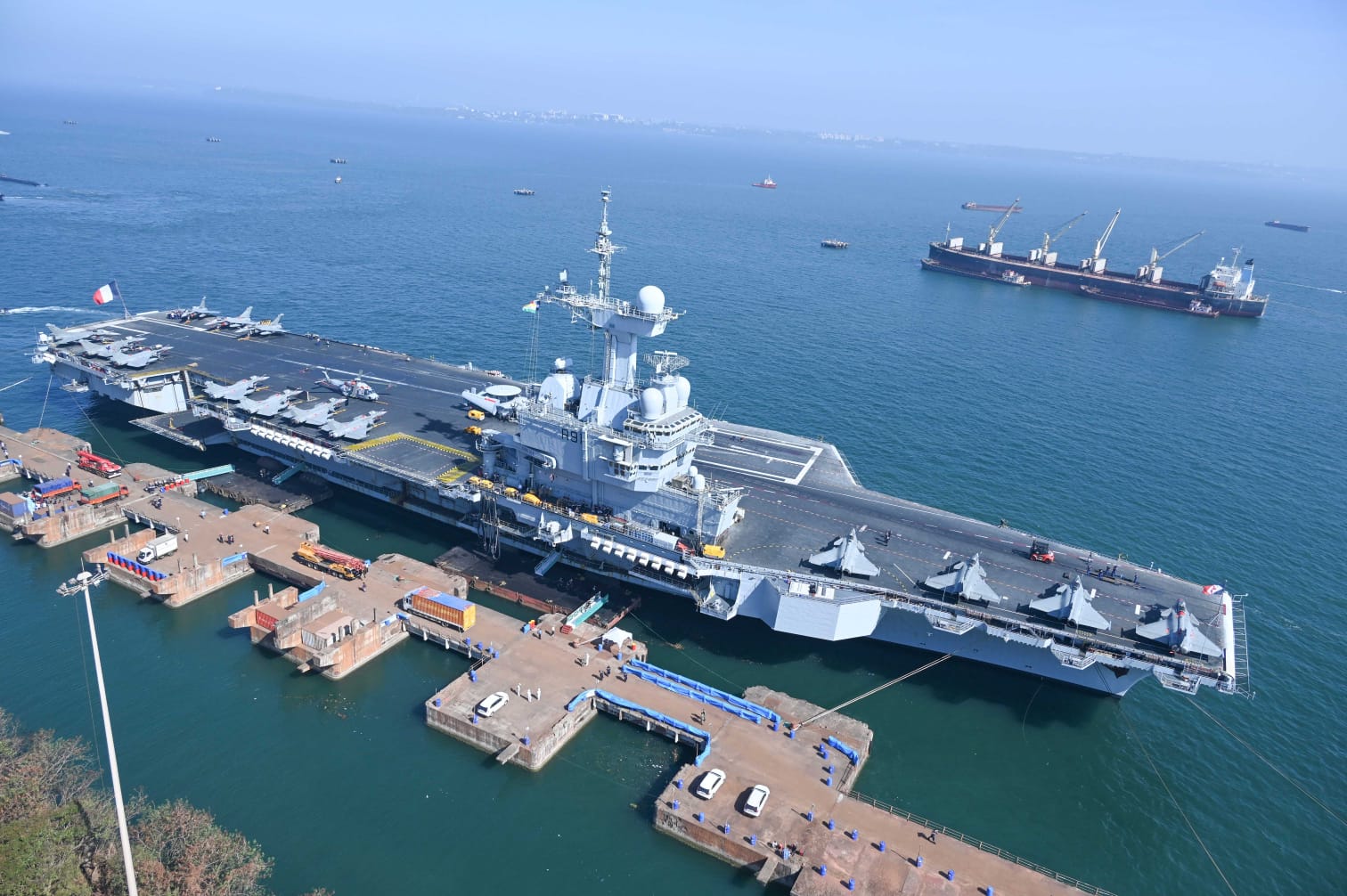
The highlight was an amphibious operation led by Greek and Spanish marines, who landed on a beach in Greece, simulating a tactical attack. The United Kingdom took command of the ground forces, deploying 2,600 military personnel and 730 vehicles.
The Allied Reaction Force and NATO’s New Strategy
Established in July 2024, NATO’s Allied Reaction Force (ARF) represents the alliance’s modern response to emerging threats. Its differentiator? The ability to be mobilized in just 10 days, crucial for responding quickly to crises in Eastern Europe.
According to Military, “that’s what we’re training for,” said Italian Lieutenant General Lorenzo D’Addario, commander of the ARF, emphasizing the importance of a ready, flexible force capable of operating in all domains of warfare.
In addition to traditional land, air, and naval firepower, the new NATO is expanding its reach into space and cyberspace. With hybrid threats becoming increasingly common, the alliance is heavily investing in digital defense and military satellites.
Whereas war used to be won with tanks and planes, today a cyber attack can be as destructive as a bombardment. NATO is aware of this and is adapting.
The Shift in U.S. Posture and the Pressure for Increased European Spending
The absence of the United States in these exercises occurs at a critical moment in international geopolitics. President Donald Trump recently announced that he wishes to negotiate directly with Russia, increasing uncertainty about the U.S. commitment to NATO.
This raises a concerning question: could this be the beginning of a strategic distancing of the U.S. from European defense?
The new U.S. Secretary of Defense, Pete Hegseth, made it clear that Europeans need to bear most of the costs of the war in Ukraine. In his first meeting with NATO leaders, he demanded a dramatic increase in European military spending.
The U.S. message to NATO is simple: either you learn to fend for yourselves, or you will be vulnerable.
The Strategic Impact of the New NATO for the Future of the Alliance
Steadfast Dart 2025 is a milestone in NATO’s history. For the first time in decades, Europe is training for a scenario where it needs to defend itself without the guarantee of U.S. military presence. This can be seen in two ways:
- A stronger, more independent Europe, capable of addressing emerging threats on its own.
- A more vulnerable Europe, without the support of the world’s largest army should a large-scale conflict occur.
Which of these visions will become reality? The answer may depend on how NATO manages to stay united in the coming years.
Russia, of course, is watching every move NATO makes. Vladimir Putin knows that without the U.S. in command, differences among European countries can create divisions within the alliance.
Indeed, Greece and Turkey, two NATO members that have historically been rivals, participated together in the exercises. But to what extent will this cooperation last? If pressure increases, will NATO be able to keep all its members aligned?