






 Portuguese
  Spanish





New Model Allows SUS Users to Be Treated by Private Hospitals and Clinics at No Additional Cost
Starting in August, SUS patients will be able to be referred to private healthcare without having to pay for the service. The measure, authorized by the federal government, aims to reduce wait times and optimize the response capacity of the Unified Health System, especially for medium and high-complexity procedures.
The decision comes amid a scenario of increasing strain on the SUS and expands the possibility of partnerships with private hospitals. The treatments will be funded with public resources but will be provided by private entities, according to the new regulations published in the Official Gazette.
How the New Care Model Will Work

According to the Ministry of Health, the new format will allow public managers to contract accredited private services to perform exams, surgeries, and hospitalizations, using funds from the SUS itself. Patients will not have to pay anything — the model adheres to the principles of gratuity and universality.
-
How to Prevent Brown Recluse Spider Bites: Common Hiding Spots and Free Tips to Reduce Risks

-
Natto: The Unusual Japanese Superfood Gaining Popularity on Social Media and Driving Record Exports
-
Brazilian Mayor Goes Undercover as Homeless for 24 Hours to Assess Public Services

-
15-Year-Old Entrepreneur Malu Lira Publishes 20 Children’s Books on Financial Education, Earns $500,000, and Expands Her Project to the Amazon Rainforest




Priority will be given to cases with long wait times, and referrals to the private network will depend on local regulations. Each municipality or state can organize its own flows, contracting services according to local demand and capacity.
What Changes for the Patient
In practice, those on the SUS waitlist may be called for care at a private hospital or clinic, as long as authorized by the health manager of the municipality or state. This initiative applies to specialized exams, surgical procedures, consultations with specialists, and even hospitalizations.
Patients will continue to be users of the SUS, with the same rights. Care will be free and integrated into the electronic medical record of the public network. It is not necessary to have a health plan or to complete any additional registration.
What Led to the Change
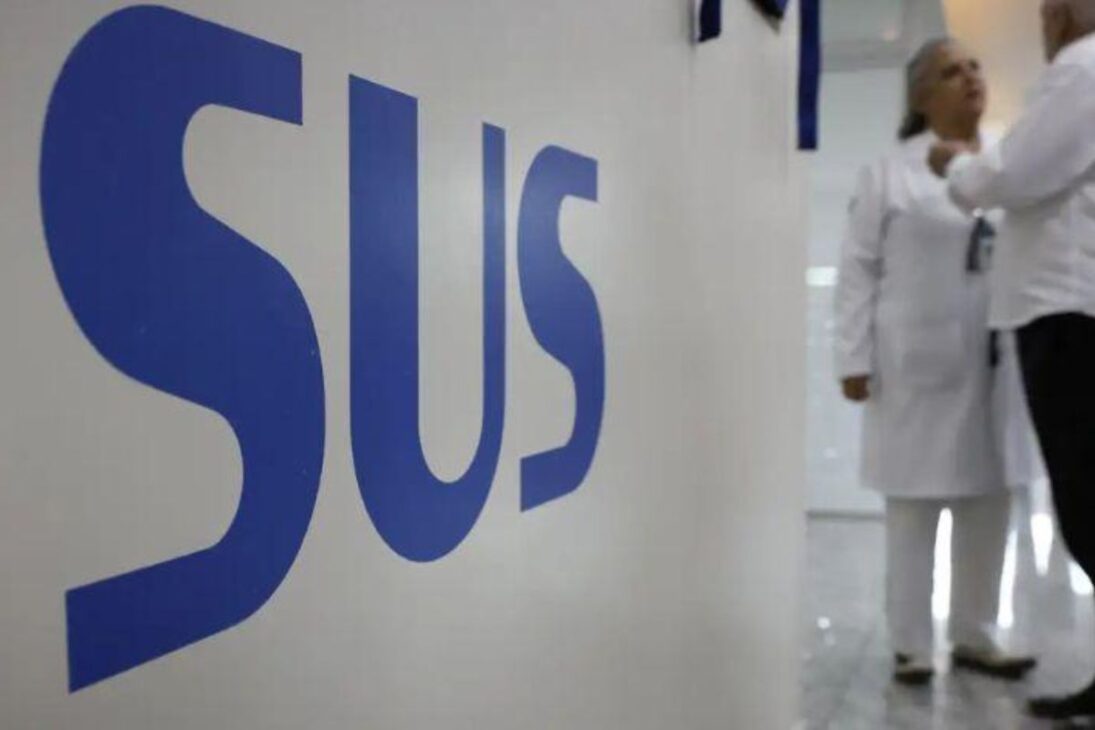
One of the main objectives of the measure is to combat the backlog of procedures accumulated during the pandemic and improve the response time of the SUS, especially in areas with high demand and low service availability.
Additionally, the government also aims to balance the debts incurred by health plan operators with the public sector. With the new model, private clinics and hospitals can provide services to the SUS in a paid and legalized manner, generating less pressure on public finances in the long run.
Impact on the System and Professionals
The measure may increase the efficiency of the SUS, but it also raises questions about the capacity for regulation, transparency in contracts, and oversight of private care. Medical and social control entities monitor the implementation closely, demanding guarantees of quality and equity.
The private network, on the other hand, could expand its operations with public funding, especially in regions where the SUS faces challenges. The model may encourage strategic cooperation between public and private sectors, provided it is well monitored.
Do you believe that access for SUS patients to the private network will improve the healthcare system? Have you ever been treated by a private plan or clinic even as a SUS user? Share your experience in the comments; your opinion helps to understand the reality in each region.







Muito boa iniciativa