Portuguese
  Spanish



Australia Bets on Floating Solar Panels to Reduce Evaporation in Reservoirs and Generate Clean Energy. Solution Combines Sustainability and Innovation.
Australia is betting on a dual solution to tackle two major environmental challenges: water scarcity and energy transition. Local companies, with international support, are installing floating solar panels in water reservoirs, in an effort to curb annual evaporation of about 1.4 trillion liters, according to Deakin University. The initiative gained momentum at the end of 2024, when Singapore’s Canopy Power acquired distribution rights for the system in the region.
The technology, developed by the Norwegian company Ocean Sun AS, combines solar energy generation with water preservation.
The panels float on lakes and reservoirs, reducing water evaporation by up to 55% while simultaneously producing clean electricity, without occupying large areas of land.
-
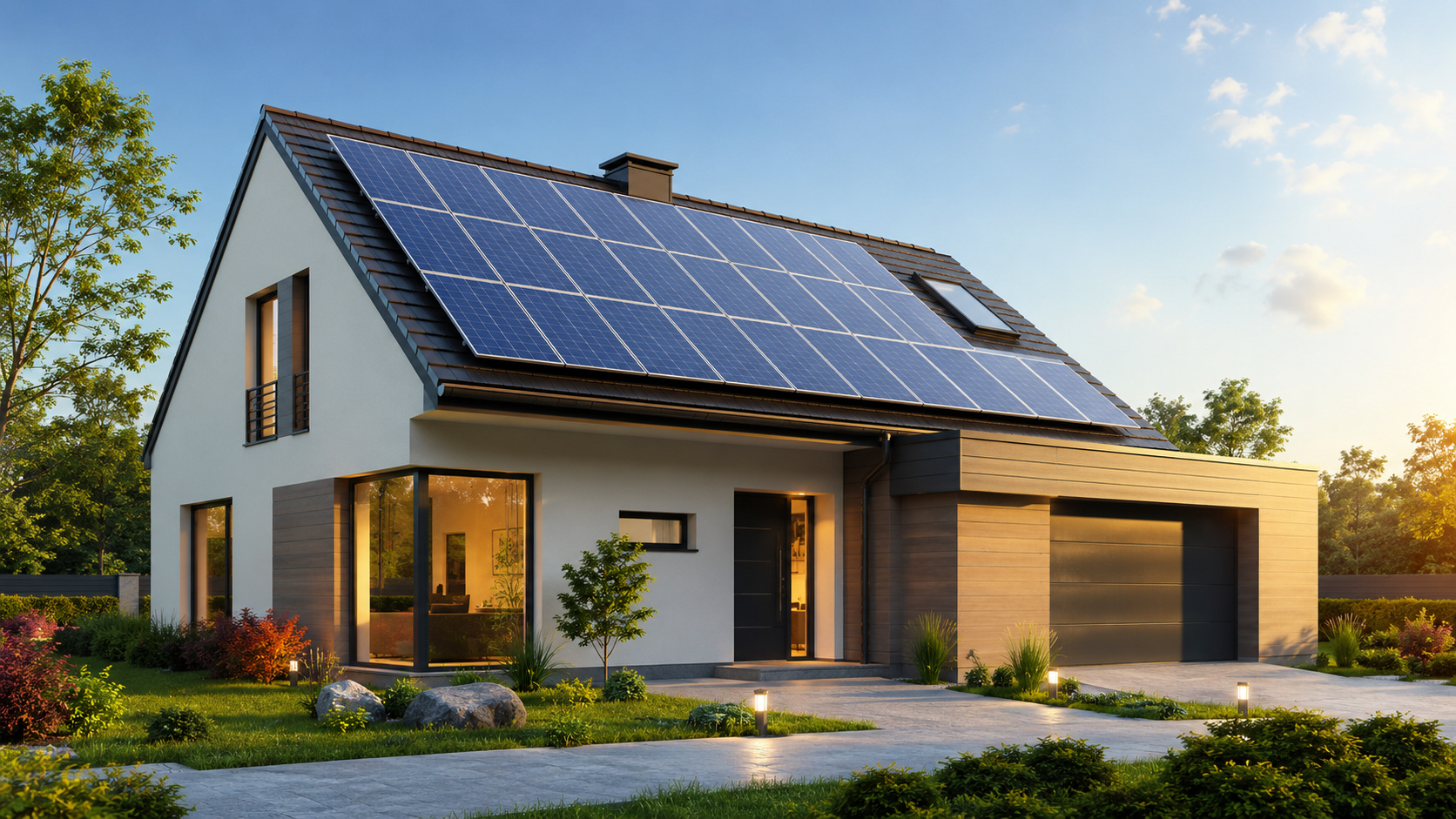
Solar energy can increase property value by up to 10% and become a selling point.

-
Solar and wind energy surpass natural gas for the first time in the world and accelerate energy revolution

-
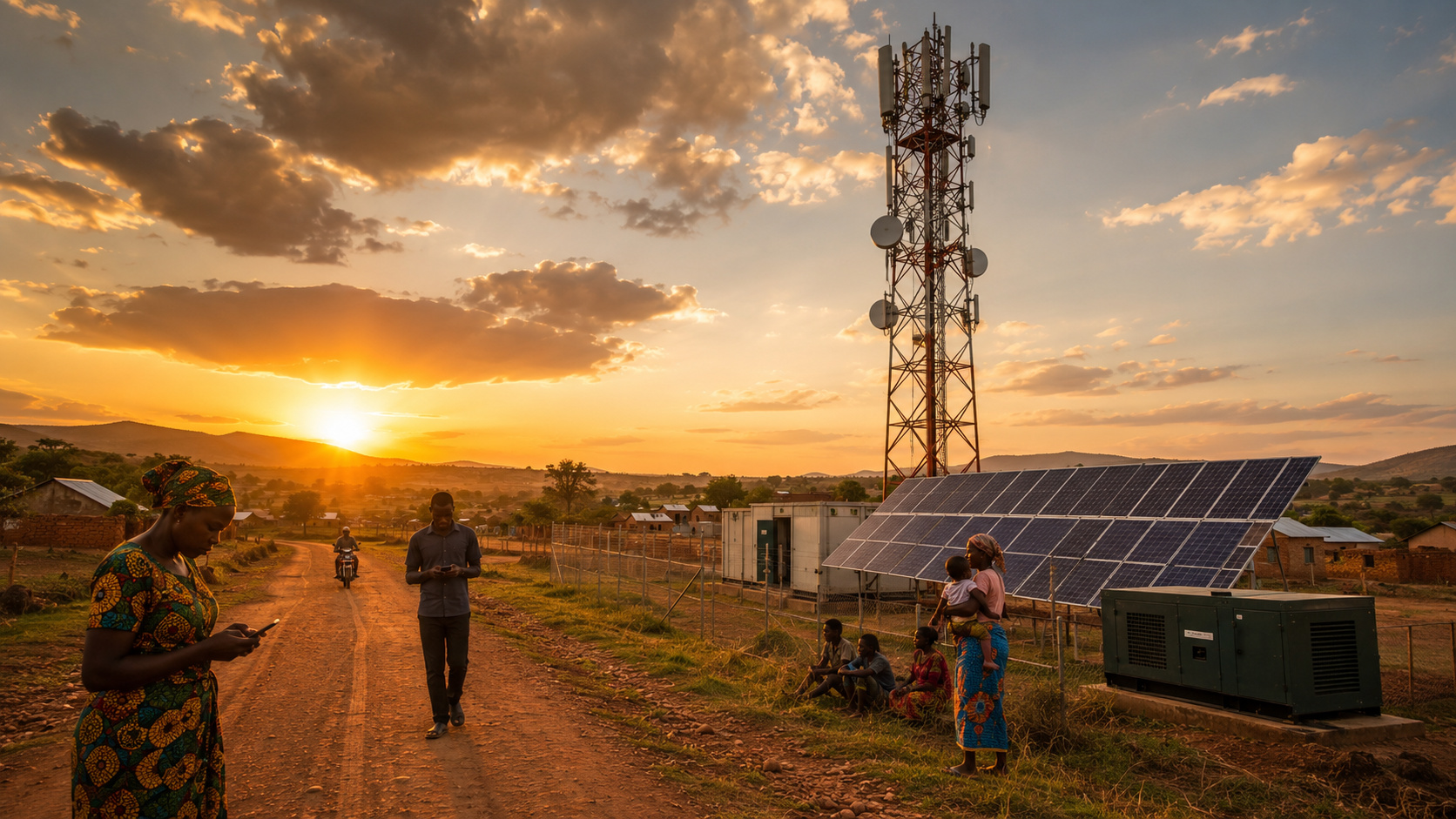
Africa has about 500,000 cell towers and most still burn diesel to operate, while companies rush to cover antennas with solar energy and avoid signal blackouts.
-
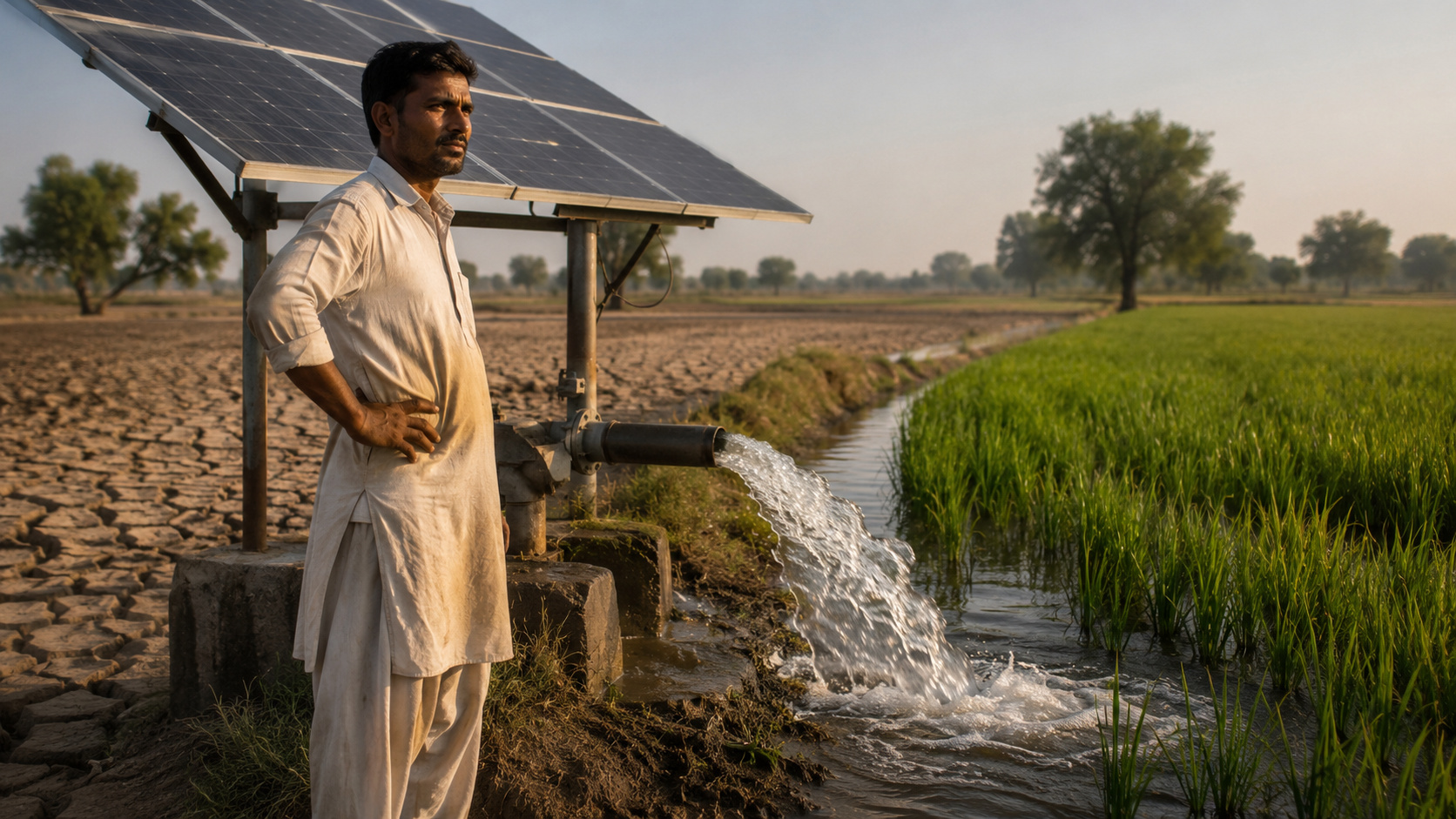
Farmers swapped diesel for solar panels in Pakistan, powered irrigation pumps almost cost-free, expanded rice fields, and now groundwater has become a red alert in the countryside.

Solar Energy on Water: Sustainable Innovation on the Rise
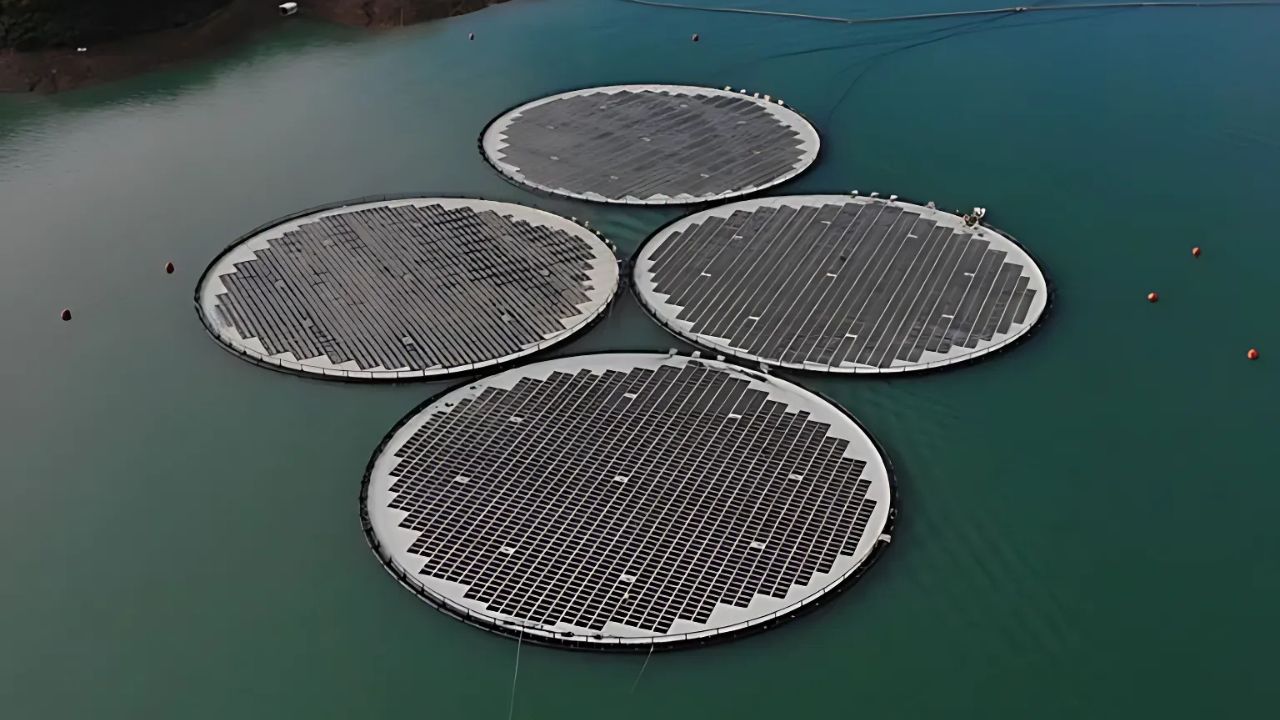
Unlike conventional coverings, floating solar panels are designed in ring shapes with about 70 meters in diameter.
Made from modified polypropylene, they allow light and oxygen to enter, preventing algae proliferation and maintaining water quality.
Additionally, the system includes pumps to capture rainwater, further enhancing water utilization. The structure can generate up to 670 kW of energy, which can be used locally or fed into the power grid.
Strategic Use of Reservoirs Increases Environmental Efficiency
By covering up to 70% of the reservoir surfaces, the technology balances environmental protection and renewable energy production. Due to its versatility and low ecological impact, the solution is already being replicated in other water-scarce locations, such as the Maldives.
According to Canopy Power, the model is ideal for arid countries or areas with limited urban space, where there is a lack of room for conventional solar plants. “We believe this is one of the most effective ways to simultaneously address the effects of drought and the energy crisis,” the company states.
The installation of floating solar panels reinforces Australia’s goal of leading sustainable initiatives. At the end of 2024, the country announced the construction of the world’s largest solar park, with a capacity of 20 GW and a submarine transmission line that will deliver clean energy to Singapore.
This combination of technological innovation with environmental preservation shows how reservoirs can be more than just water sources: they can also become platforms for generating sustainable energy without compromising the ecosystem.