






 Portuguese
  Spanish


Panasonic Reveals Advances in Anode-Free Technology and Promises to Transform the Electric Vehicle Market with a Battery 25% More Powerful by 2027, Increasing Range and Reducing Costs of Electric Cars
On September 18, 2025, Panasonic announced a technological breakthrough that could redefine industry standards. The Japanese company, a battery supplier for Tesla, revealed plans to launch by the end of 2027 a battery 25% more powerful for electric vehicles, utilizing an innovative anode-free technology. The proposal promises to significantly increase the range of electric cars and accelerate global energy transition.
Energy Innovation: Panasonic’s 25% More Powerful Battery
Panasonic is developing a battery with energy capacity 25% higher than the current one, without increasing its physical volume. This innovation is made possible by eliminating the traditional anode, replaced by a process that forms a lithium metal anode during the first battery charge.
According to the company, this technology could increase the Tesla Model Y’s range by up to 145 km, maintaining the same battery pack size. Alternatively, the battery can be used to reduce vehicle weight and cost, without compromising performance.
-
Chery Offers Lifetime Battery Warranty and Car Replacement for Major Failures Under New Chinese Regulations

-
Nissan Discontinues Qashqai SUV Amid Cost-Cutting, Chinese Competition, and Product Line Review
-
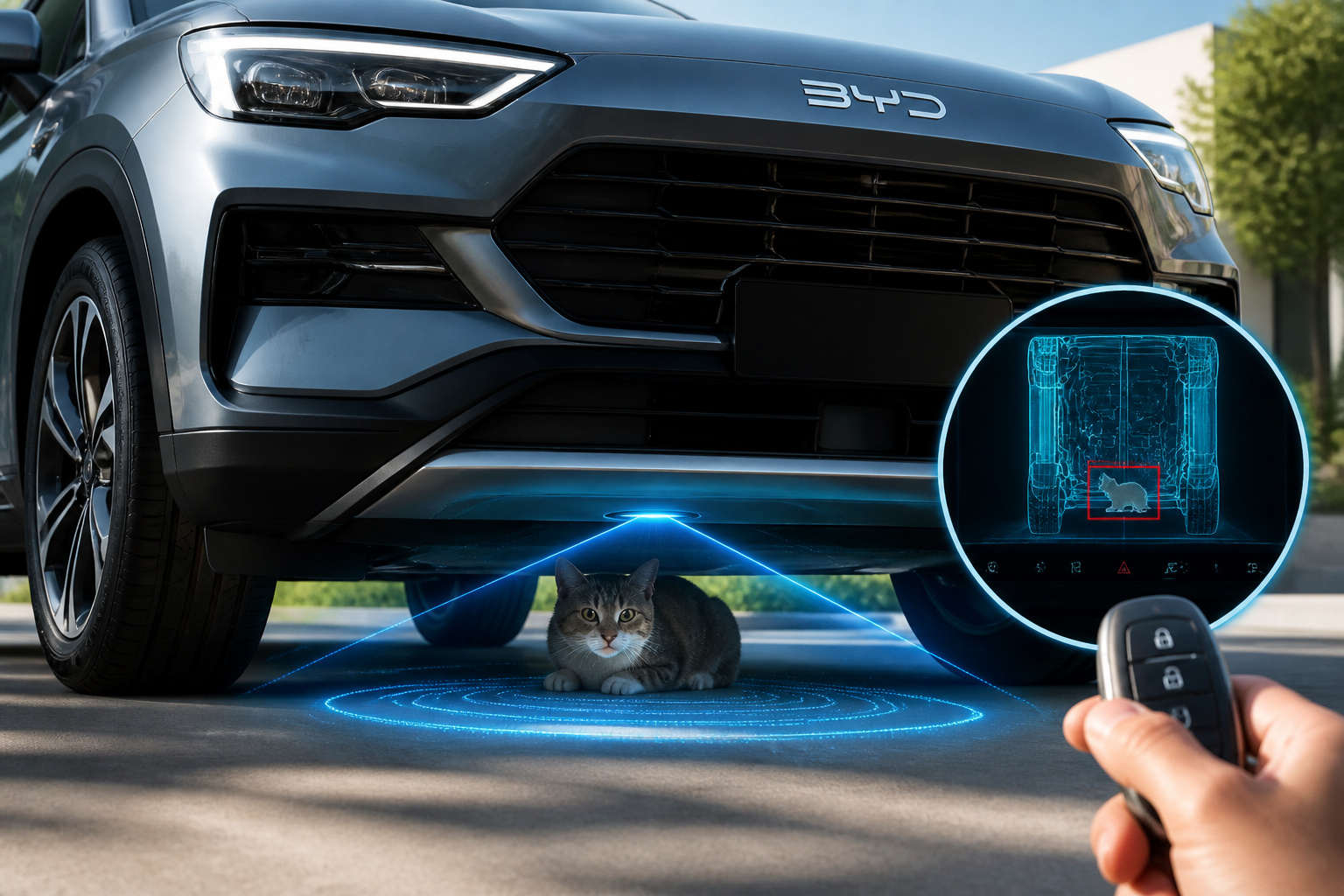
BYD Patents Revolutionary System Using Computer Vision to Detect Animals Under Cars Before Starting, Preventing Tragedies

-
BMW Completes $1.7 Billion Investment in the U.S. for Electric Vehicle Production, Positions South Carolina for New Generation as Rivals Reassess EV Race

Shoichiro Watanabe, Chief Technology Officer of Panasonic Energy’s battery division, presented the details during an event on September 18, 2025, reinforcing the company’s commitment to innovation and sustainability.
Anode-Free Technology: How It Works and Why It Is Strategic?
The anode-free technology represents a radical shift in lithium-ion battery architecture. Instead of using a physical anode during manufacturing, Panasonic proposes a process in which the anode is formed internally after the first charge, using lithium metal.
This approach allows for:
- Higher energy density, without increasing battery volume.
- Reduction of expensive materials, such as nickel, which is part of the cathode.
- Improvement in production efficiency, with fewer steps and less complexity.
Additionally, the company plans to reduce the proportion of nickel in batteries, which could help lower costs and make electric cars more accessible to the final consumer.
Impact on the Global Electric Vehicle Market
Panasonic’s announcement comes at a time of intense competition in the electric vehicle sector. Tesla’s market share in the United States has fallen to its lowest level in nearly eight years, according to Reuters data. This is due to the influx of new competitors with more affordable and efficient models.
With the new 25% more powerful battery, Panasonic seeks to solidify its position as a strategic provider of energy solutions for electric mobility. The company is already one of Tesla’s main partners, and this innovation could further strengthen that relationship.
Other manufacturers are also exploring similar technologies, indicating a race for the next generation of high-density, low-cost batteries.
Benefits of the 25% More Powerful Battery for Electric Cars
The adoption of Panasonic’s new battery could bring a series of advantages for consumers, manufacturers, and the environment:
- Increased range: with 25% more capacity, vehicles will be able to travel greater distances on a single charge.
- Weight reduction: maintaining range with smaller batteries could result in lighter and more efficient cars.
- Lower production costs: reducing expensive materials like nickel could make electric vehicles more competitive.
These benefits are crucial for accelerating the global adoption of electric cars, especially in emerging markets where cost is still a limiting factor.
Technical and Commercial Challenges for Panasonic Until 2027
Despite the enthusiasm, Panasonic still faces significant hurdles. The company has not disclosed estimates regarding the production costs of the new battery, nor has it confirmed if the technology will help Tesla reduce prices for its models.
The goal is ambitious: to deliver a 25% more powerful battery with anode-free technology by the end of 2027. To achieve this, Panasonic is heavily investing in research and development, as well as seeking strategic partnerships with manufacturers and material suppliers.
The commercial viability of the technology will depend on factors such as:
- Scalability of production.
- Safety and stability of the battery.
- Compatibility with current vehicle systems.
- Market and consumer acceptance.
Panasonic and the Leadership in Electric Vehicle Innovation
Panasonic has played a central role in the evolution of batteries for electric vehicles. As a supplier to Tesla, the company has contributed to the growth of electric mobility in recent years, with solutions that combine performance, safety, and sustainability.
With anode-free technology, Panasonic reaffirms its commitment to innovation and energy transition. The company seeks not only to improve the performance of electric cars but also to make production more efficient and less reliant on scarce materials.
This initiative aligns with global goals for reducing carbon emissions and sustainability targets set by governments and international organizations.

Outlook for the Future of Electric Cars with Anode-Free Technology
The development of the 25% more powerful battery by Panasonic represents a promising advancement for the future of electric cars. If successful, this technology could redefine standards of range, cost, and performance for electric vehicles worldwide.
The expectation is that by 2027, Panasonic will be able to deliver a viable, safe, and scalable solution, capable of meeting the growing demand for sustainable mobility. This could accelerate the energy transition, reduce dependence on fossil fuels, and contribute to a cleaner and more efficient future.
For consumers, manufacturers, and investors, the next two years will be decisive. Panasonic’s innovation could be the catalyst for a new era in the automotive industry, where anode-free technology becomes the new standard of excellence.





Your ability to distill complex concepts into digestible nuggets of wisdom is truly remarkable. I always come away from your blog feeling enlightened and inspired. Keep up the phenomenal work!