





 Portuguese
  English
  Spanish
  4 min of reading
  0 comments


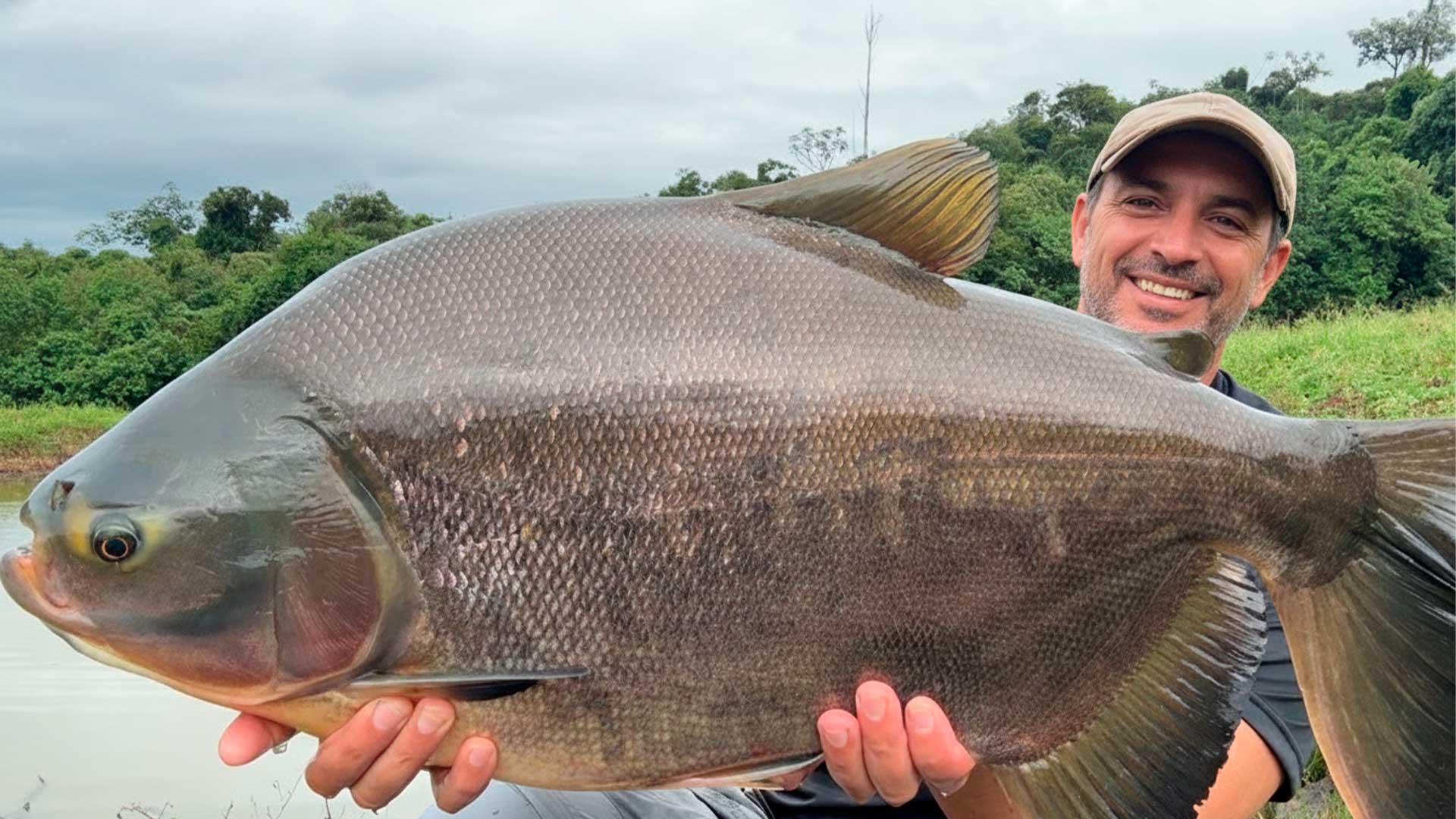
Brazilian Research Transforms Aquaculture Waste into Transparent and Durable Film with UV Blockage and Current Limit of Use in Dry Products
Plastic packaging remains one of the main sources of persistent waste in the environment, while the industry seeks substitutes that work in daily life and at scale.
In this context, researchers from Embrapa Pecuária Sudeste in São Carlos and the University of São Paulo developed a biodegradable biofilm made from the skin of the Amazon fish known as tambatinga.
The proposal is to use biopolymers extracted from a material usually treated as industrial waste to create thin films that can partially replace synthetic petroleum-derived packaging.
-
Discreet, technological, and controversial: smart glasses become a tool for viral pranks, record reactions without anyone noticing, and reignite an urgent debate about privacy on social media.

-
A torpedo-sized submarine robot was launched through a 600-meter hole in the “doomsday glacier” and revealed cracks melting up to 10 times faster; Icefin showed from the inside how warm water threatens Thwaites, an ice mass capable of raising sea levels by almost 70 cm.

-
The iPod is back in full force: young people are reviving Apple’s old device to escape digital distractions and control their own soundtrack.
-
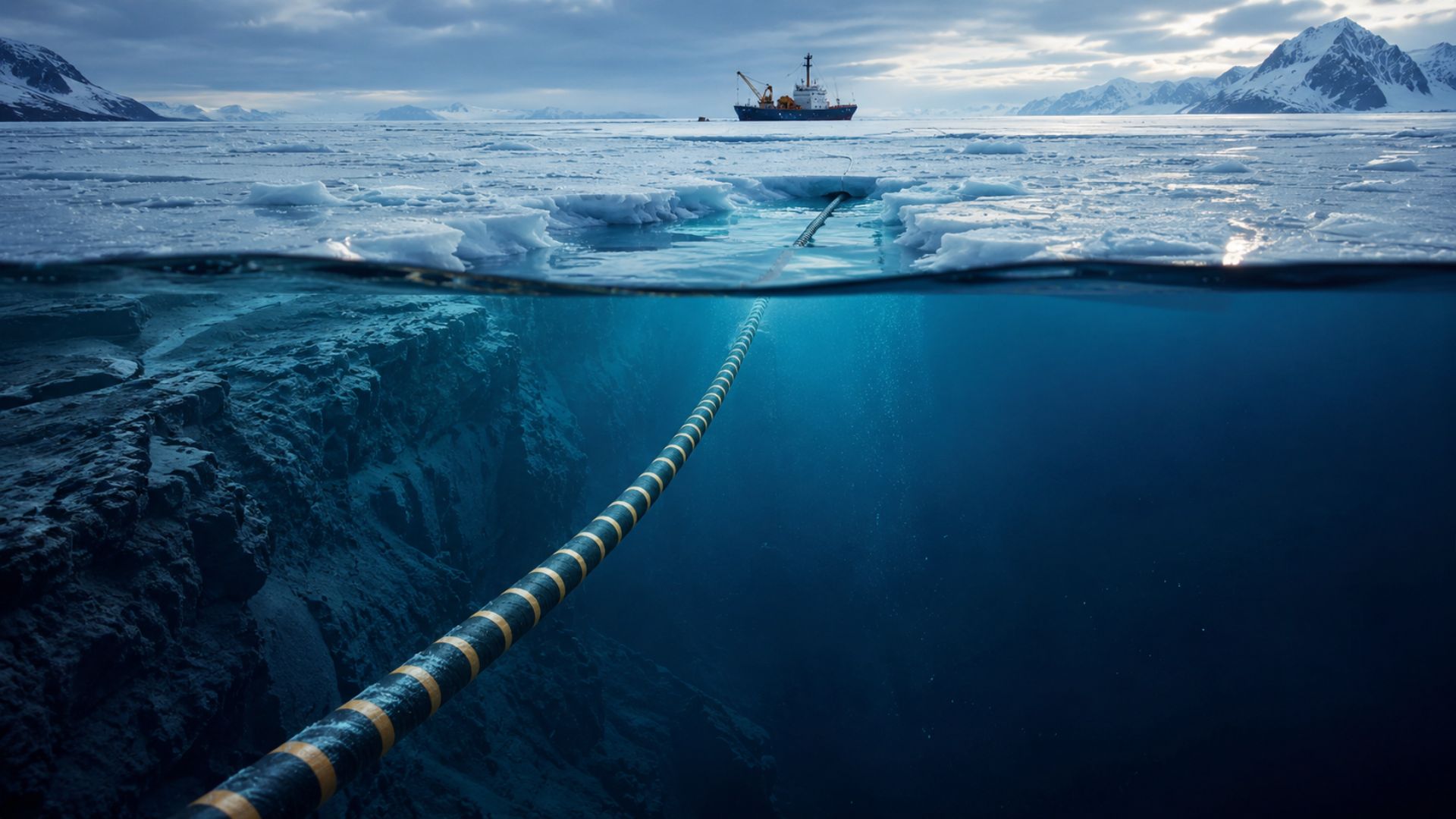
For the first time in history, a submarine cable will descend to four thousand meters deep under the ice of the North Pole to ensure that the internet between Europe and Asia no longer depends on conflict zones in the Middle East.



The results of the work were announced on January 28, 2026, by Agência FAPESP and published in the scientific journal Foods, reinforcing the academic and peer-reviewed nature of the study.
What Is the Biofilm and Why Has Tambatinga Skin Become Raw Material
The biofilm is a thin and flexible material made with biopolymers designed to act as a barrier and protection, essential in food packaging. In the case of the Brazilian study, the base comes from gelatin obtained from the skin of the fish, rich in collagen.
The tambatinga is a hybrid resulting from the crossbreeding of the female tambaqui (Colossoma macropomum) and the male pirapitinga (Piaractus brachypomus), a species recognized for its good growth performance in aquaculture.
According to Agência FAPESP, due to its tropical origin, the skin may have higher levels of amino acids, which tends to improve the functional and structural properties of the gelatin derived from this material.
How the Material Was Produced and What Results Stood Out
The process starts with cleaning the skins and extracting the gelatin through a method that combines hot water and acetic acid to remove impurities, a step reported in the study summary.
Subsequently, the films are prepared from the forming solution, using the specified proportion of gelatin in the mixture, allowing for a homogeneous and replicable material in the laboratory.
According to Agência FAPESP, the result was a transparent, flexible film with even surfaces, an important point because defects and irregularities can compromise the barrier function in packaging.
Another highlight was its performance as protection since the material exhibited good ability to block ultraviolet rays, which is valued for reducing degradation and loss of quality in certain foods.
The work also describes lower water vapor permeability compared to other gelatin materials cited in the literature, a relevant characteristic for preserving texture and crunchiness in specific products.
Current Limitations and Where the Biofilm Might Arrive First
Despite the promising properties, the research points out a limitation that prevents immediate application on any shelf. The biofilm displayed sensitivity to moisture, a recurring challenge in gelatin-based materials.
For this reason, the indicated use at this moment is more compatible with dehydrated products, such as nuts and seeds, where contact with water and vapor tends to be lower.
Why the Research Connects to Circular Economy and Waste Reduction
The innovation also stands out for addressing two issues simultaneously: waste in the fishery chain and the excess plastic in packaging. The study emphasizes the valorization of aquaculture by-products, aligned with the logic of circular economy in the sector.
In Brazil, where aquaculture production is growing and generating large volumes of organic waste, transforming skin into high-value input can reduce disposal and create new technological opportunities for cooperatives and industries.
The research received support from the Food Research Center, linked to USP, and funded as a CEPID-type center, indicating a structure focused on research, innovation, and dissemination of knowledge in food and nutrition.
This link also helps explain the focus on packaging, an area where performance, safety, and environmental impact need to go hand in hand for real market adoption.
What Still Needs to Happen to Become Common Packaging in the Market
To move from the lab to retail, the next step is likely to improve the material’s behavior in humid environments, either through combinations with other biopolymers or treatments that enhance stability without losing biodegradability.
Agência FAPESP itself indicates that the continuation of the work may expand applications, including other areas beyond food, suggesting a research path with adjustments and additional testing.
Another important stage is demonstrating industrial viability, with standardization of raw materials, odor control, health safety, and cost, since packaging can only sustain itself in the market when performance and price compete with existing alternatives.
In the end, the tambatinga skin biofilm enters the broader debate on how to replace plastics without creating new problems, especially when the material comes from an animal source and needs to meet consumers with different expectations.
If you had to choose, would you prefer packaging made from fish waste because it is biodegradable, or would you avoid it due to its animal origin even if it reduces plastic in the environment? Share in the comments and tell us where you think the line is between sustainability and consumer acceptance.








Be the first to react!