Portuguese
  Spanish


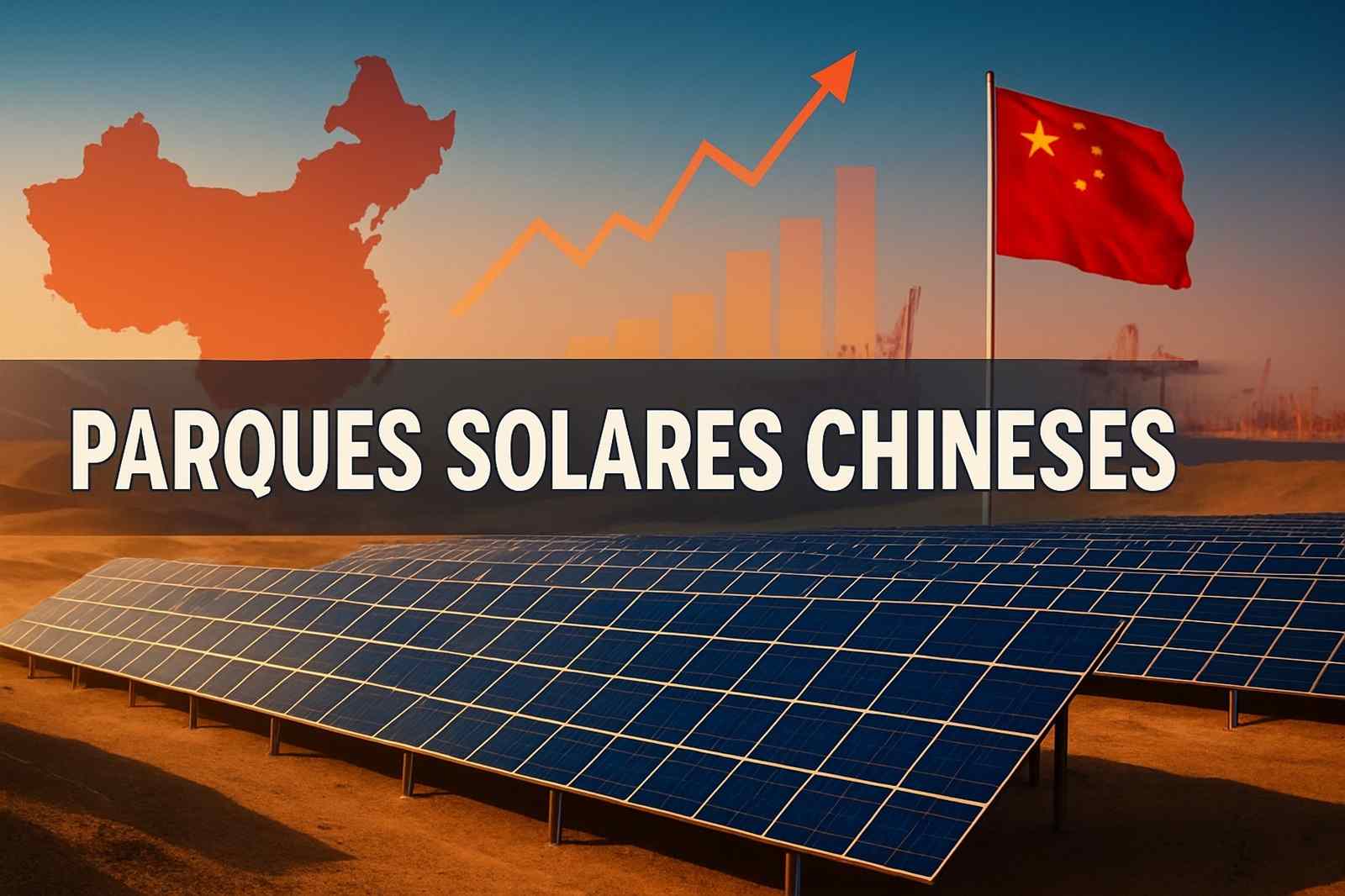

Research Shows That Solar Parks in the Qinghai Desert in China Are Cooling the Soil, Increasing Humidity, and Encouraging Vegetation Recovery.
Large solar parks built in the deserts of China are changing not only electricity generation. They are also altering fragile ecosystems, according to peer-reviewed research.
A new study published in the journal Scientific Reports highlighted the Gonghe Photovoltaic Park in the Talatan Desert in Qinghai. The panels not only produce energy but also create more humid and stable microclimates. The long-term effects are still uncertain, but the results challenge the idea that renewable infrastructure leaves the desert environment untouched.
Evidence from the Talatan Desert
Researchers used the DPSIR framework, with 57 ecological indicators, to measure environmental changes. Within the solar park, the ecological score reached 0.4393. In the open desert surrounding it, the values ranged between 0.2858 and 0.2802.
-
ispace Pays SpaceX $50 Million to Hitch a Ride on Starship, Aiming for a Shared Commercial Route to the Moon by 2030

-
Solar-Powered Cell Tower to Connect 10,000 Residents on Remote Brazilian Island, Reducing Diesel Dependence
-
Snowman-shaped asteroid captured by Hayabusa2 probe during flyby just 10 km away

-
Scientists Discover Clue in Rodent Brains Explaining Why Early Childhood Memories Fade Over Time


The difference shows improvement in soil, greater water retention, and even signs of vegetation recovery. According to the researchers, shading reduces heating and evaporation, creating more favorable conditions for plants and microorganisms.
One of them stated directly: “The presence of solar panels modifies the energy balance at the surface. We are observing higher biological activity under the panels compared to the arid desert outside.”
Climate Changes in the Desert
The mechanism of this transformation is simple but effective. During the day, the panels block some sunlight, cooling the soil and slowing down water loss. At night, they retain some of the radiation, keeping the environment warmer than the exposed sand.
This inverse day-night cycle creates a climate buffering effect. Cooler under the panels during the day, warmer at night.
Research in Other Regions
The phenomenon is not exclusive to Qinghai. A year-long campaign in a large solar park in Gansu Province, published in the journal Atmosphere, found consistent changes in air temperature, humidity, soil heat, and water content.
In the Gobi Desert, studies published in the journal Solar Energy recorded the same pattern. There were more moderate thermal regimes of the soil and changes in wind flows around the structures.
These changes may seem small. However, in extreme desert environments, even minimal increases in humidity make a difference for plant survival.
Promises and Risks
The findings raise the question: could solar parks be tools for restoring degraded lands?
Evidence from Qinghai indicates that yes, at least in part. Within the covered areas, there were signs of ecological improvement, aided by water and soil conservation practices.
But experts highlight clear limits. The panels are not a miracle solution. The impact depends on the orientation of the structures, the spacing between rows, and ongoing maintenance.
Additionally, there are risks when the technology is poorly designed. Solar parks can fragment habitats, alter soil reflectivity, and even influence dust distribution.
A study published in Renewable Energy showed that large installations redistribute surface heat in ways that can create indirect effects beyond their borders.
A New Way to Think About Energy
Despite the uncertainties, the results point to a significant shift. Renewable energy infrastructure, often seen only as utilitarian, can also have positive impacts on fragile ecosystems.
This does not mean restoring deserts entirely. But it indicates that the advancement of clean energy can coincide with small environmental improvements in arid regions.
Therefore, the Chinese case opens the door to rethink how renewable expansion can engage with the future of land conservation.