






 Portuguese
  Spanish
  3 min of reading
  0 comments



With the Debt Evolution Statement Obtained at Consumidor.br, It Is Possible to Reduce Abusive Charges and Negotiate for the Real Value
According to accountant Lavínia Ramos, requesting the debt evolution statement through the Consumidor.br website is one of the most effective ways to deal with inflated charges from banks and financial institutions. This official document details the original amount, interest, fees, insurance, payments already made, and the updated outstanding balance.
In practice, the debt evolution statement exposes the difference between what is actually owed and what is being charged, providing the consumer with a solid argument to negotiate. Common cases show debts of R$ 60 thousand reduced to R$ 35 thousand after presenting the official statement.
How Does the Debt Evolution Statement Work?
The debt evolution statement is issued by the bank itself but can be requested for free through the Consumidor.br portal, which requires a gov.br login. The document lists all charges applied to the contract, making each charge transparent. With it, the consumer begins to negotiate based on official numbers and not on arbitrary values imposed by the institution.
-
For the first time in history, solar and wind energy generated more electricity than natural gas worldwide in a single month, April 2026, a milestone in the energy transition that shows renewable sources taking the lead in the global electric system.

-
Petrobras is expected to complete the drilling of the Morpho well in the Foz do Amazonas in August 2026, the first well in the Equatorial Margin, an oil frontier that the ANP estimates at more than 30 billion barrels and could redraw the map of Brazil.
-
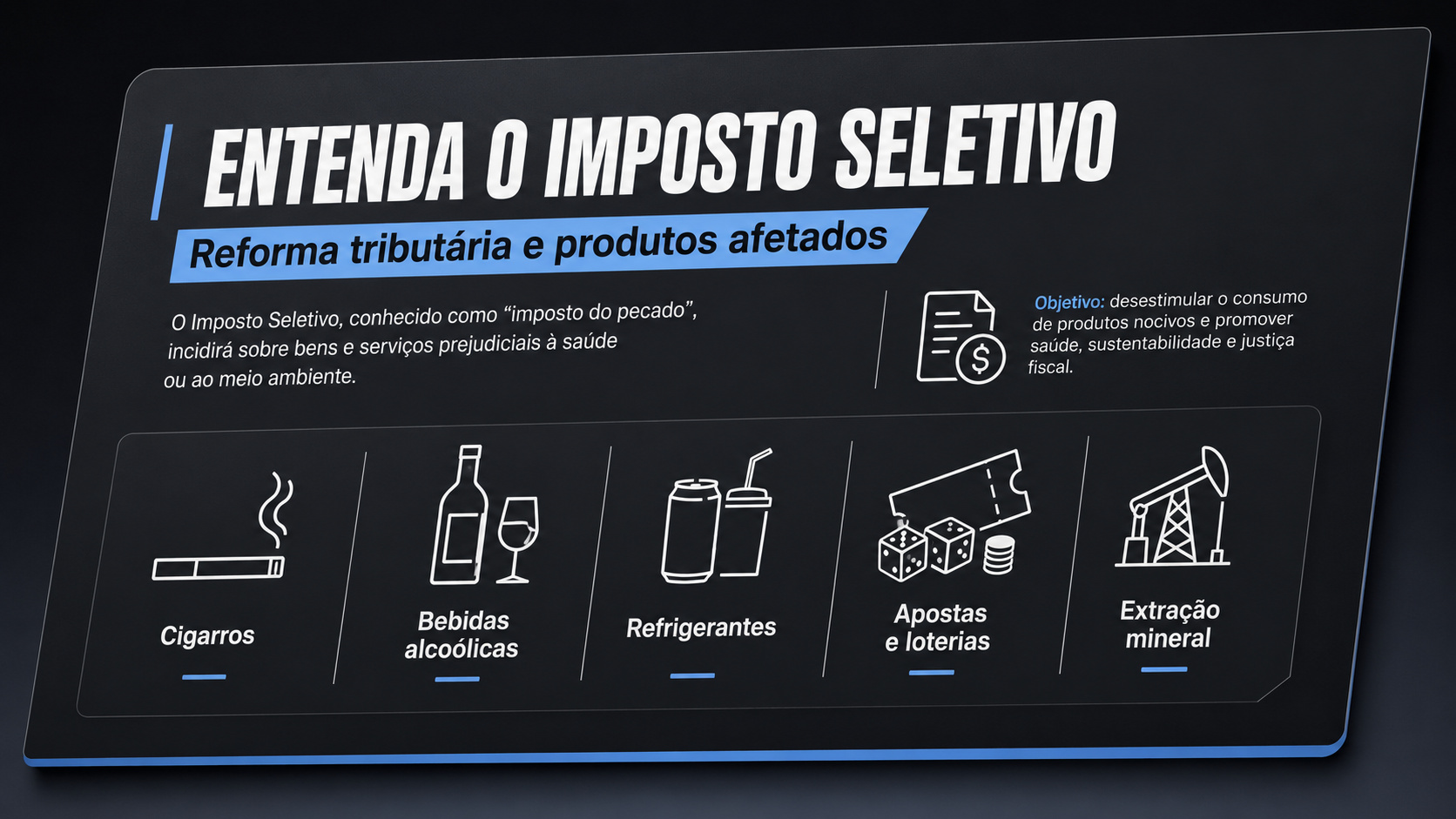
Government confirms sin tax for 2027 and explains why alcoholic beverages and cigarettes should not become more expensive right away, despite the new tax also covering soft drinks, polluting vehicles, mineral extraction, lotteries, betting, and fantasy sports games in a change that still depends on Congress.

-
Anvisa reveals flaws in supplements from IDNLABS and suspends 11 batches that include creatine, BCAA, beta-alanine, and multivitamins; the measure affects products with quality, composition, and labeling issues, while consumers are advised to check the printed codes on the packaging.



This right is guaranteed by the Consumer Protection Code (art. 6, III), which ensures access to clear and detailed information. In other words, the bank is obliged to provide the statement when requested, and it cannot hinder or withhold information.
Step by Step to Request the Statement
The process is simple and can be done online:
- Access consumidor.br with your gov.br account.
- Choose the financial institution under “participating companies.”
- Click on “register complaint” and provide any previous contact protocols, if available.
- In the services field, select the correct area (loans, credit card, or overdraft).
- Describe the request: request the debt evolution statement with all the information (original amount, fees, charges, payments, and updated balance).
According to Lavínia Ramos, the document is usually delivered within a week and can already serve as a basis for immediate negotiation.
Why Does This Document Change the Negotiation?


With the debt evolution statement in hand, the consumer has official proof of the real balance. This dismantles attempts at inflated charges and creates a fair negotiation baseline. Banks cannot ignore their own numbers.
Practical example: if the statement shows R$ 35 thousand in balance, but the bank insists on charging R$ 60 thousand, the consumer negotiates based on the documented R$ 35 thousand. This difference can reduce the debt almost by half.
Is It Worth Requesting the Statement?
Yes. Experts explain that the debt evolution statement transforms the consumer from hostage to protagonist in negotiations. In addition to reducing abusive amounts, the document can be used in any potential legal proceedings, strengthening the client’s defense.
As it is free, online, and backed by law, the request is a powerful resource for anyone in debt with credit cards, loans, or overdrafts.
The debt evolution statement is a tool that empowers consumers to question and negotiate based on official information. With this statement, it is possible to reduce illegal charges and reach agreements for the real value of the debt.
Have you requested the debt evolution statement? Do you believe this measure can balance the relationship between banks and clients? Share in the comments — we want to hear from those who have experienced this firsthand.







-

1 person reacted to this.