Portuguese
  Spanish


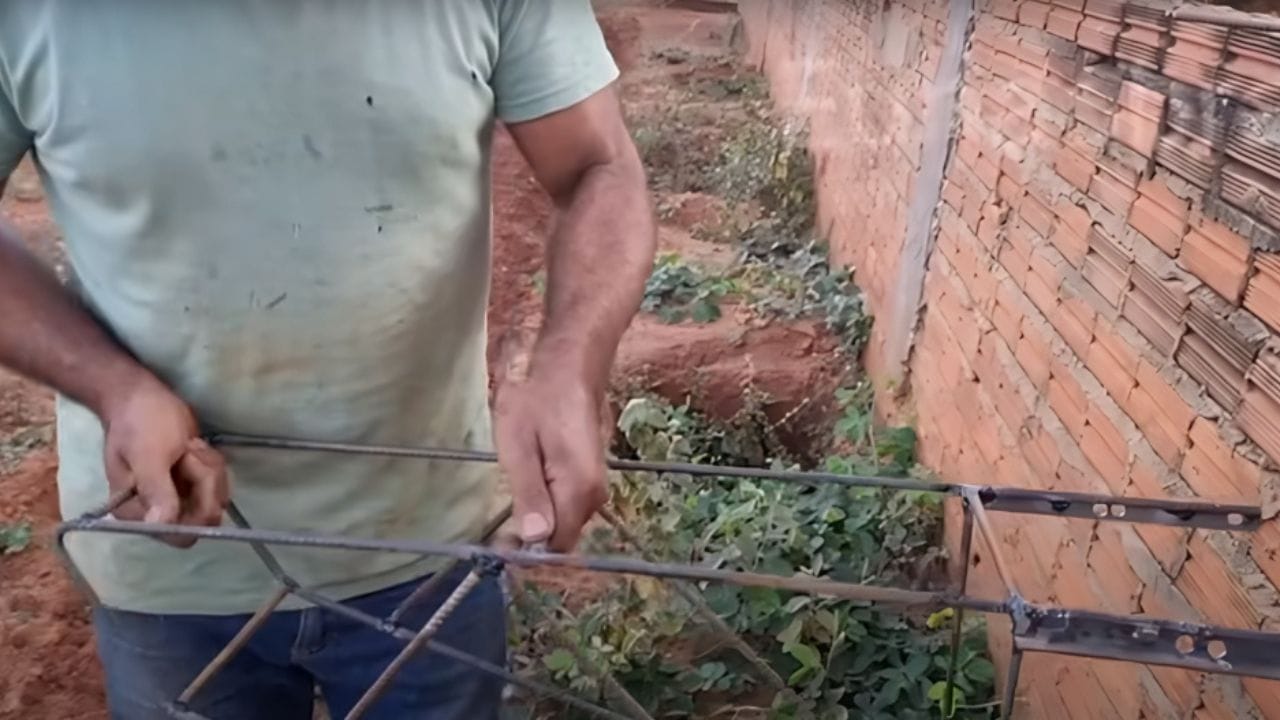

An Innovation in Civil Construction Is Gaining Attention for Its Practicality and Safety: The Portable Scaffolding, An Essential Tool for Bricklayers That Promises to Transform the Sector with Its Ease of Use and Effectiveness.
In an effort to optimize work in civil construction, Ageu and Gilson present a revolution in the sector: the portable scaffolding. Unlike traditional “L” scaffolds placed against walls, this easily installable and mobile scaffolding promises to significantly ease the work of bricklayers.
The big differentiator of the portable scaffolding is the ease of assembly and disassembly, as well as the mobility it offers to the professional. This innovation eliminates the need for bulky iron structures, making work more agile and less exhausting. Gilson highlights that, with just one screw and one lock, the scaffolding can be securely fixed, supporting up to 160 kg in conjunction with a work partner.
How The Portable Scaffolding Works


The portable scaffolding is installed on the wall, and can be adjusted on both lying and upright walls. With adjustments designed for different situations, the scaffolding adapts to the needs of each worksite, ensuring greater safety and efficiency. And of course, the tool supports up to 85 kg, evenly distributed, eliminating risks of damaging the brick.
-
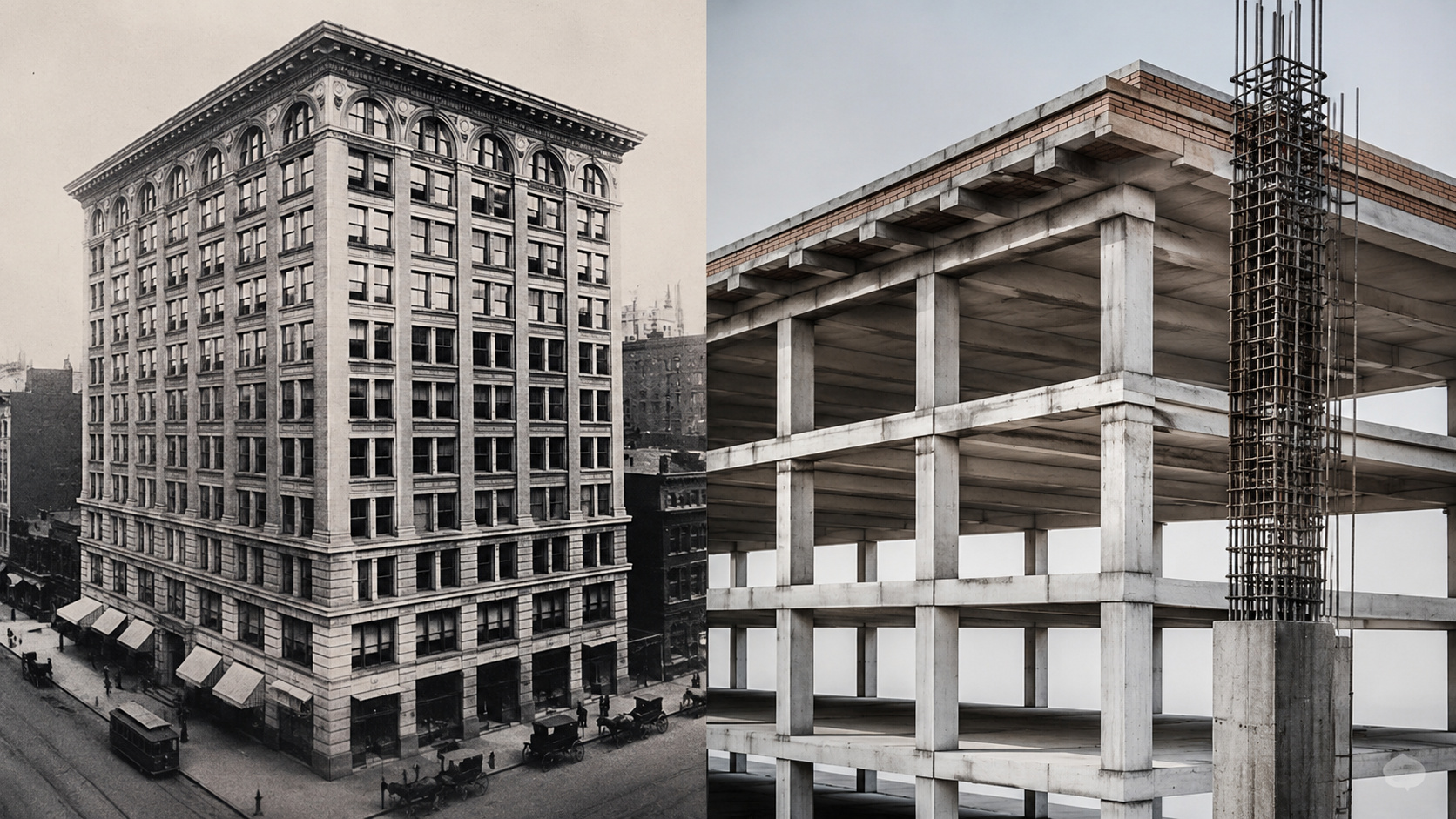
Builders challenged experts, erected a 16-story building using only reinforced concrete when the known limit was six floors, and proved that skyscrapers would never be the same again.

-
Up to 60 concrete mixer trucks pour 380 m³ of concrete onto the “big slab” of Niemeyer’s first work in Amazonas, in a decisive stage of the construction of the monumental oca that will mark the Parque Encontro das Águas in Manaus.

-
Alert in Santa Catarina: the Anita Garibaldi Bridge on BR-101 is completely closed in both directions due to “structural risk,” and drivers are diverted to a 20 km/h detour that promises kilometer-long queues until July 20.

-
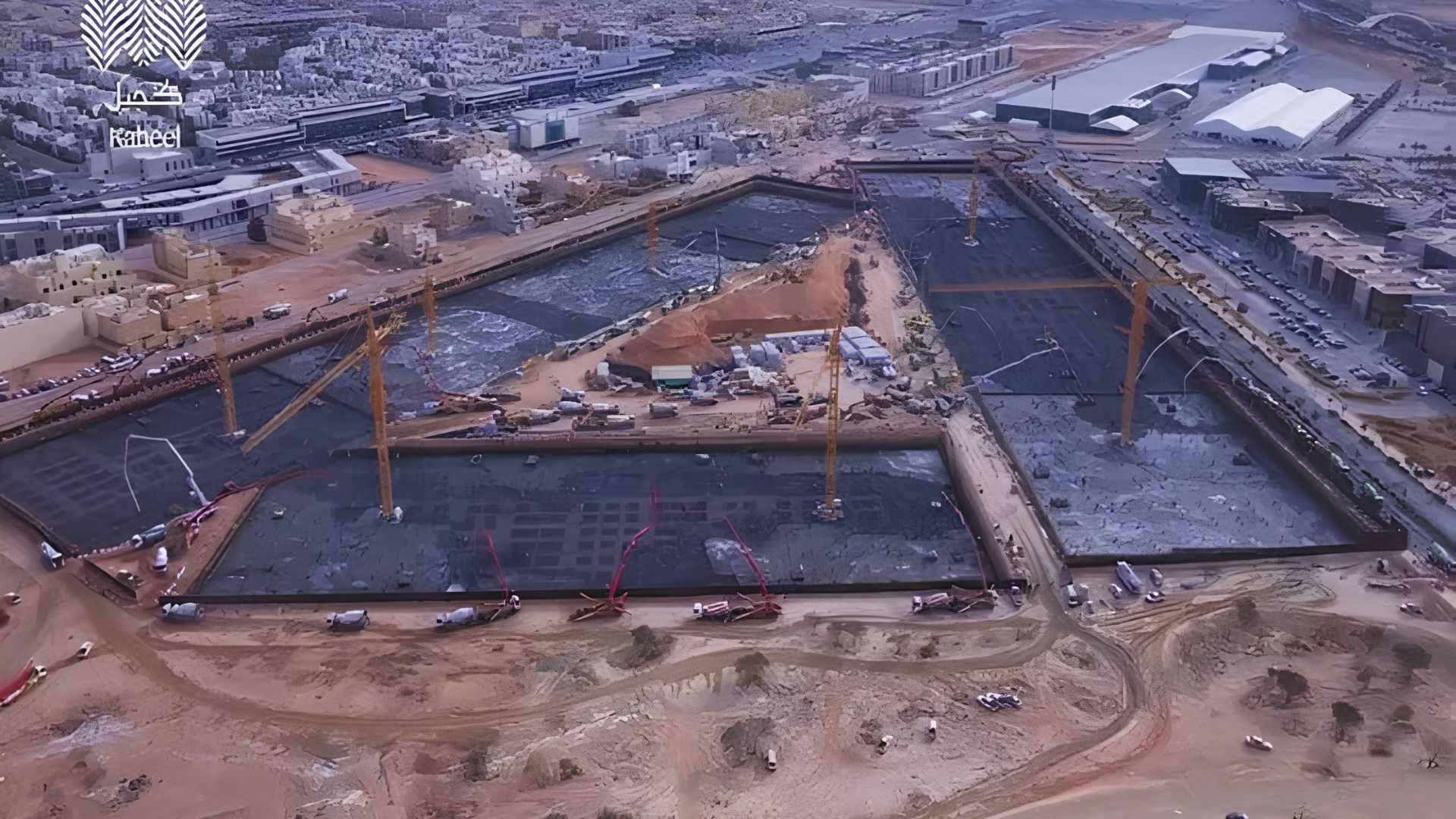
More than 6,000 trucks poured nearly 70,000 cubic meters of concrete without interruption for 72 hours to create the largest continuous concrete pour in history and erect a megaproject in Saudi Arabia.


Impact on the Civil Construction Sector
Industry experts claim that this tool has the potential to change civil construction, especially in smaller jobs or at moderate heights. The ease of use, combined with safety and efficiency, makes the portable scaffolding an ideal choice for bricklayers looking to optimize their time and effort on jobs.
The portable scaffolding emerges as an innovative response to the demands for efficiency and safety in civil construction. With its introduction to the market, bricklayers now have at their disposal a tool that promises to revolutionize their daily work, offering a practical solution to common challenges in the sector.