






 Portuguese
  Spanish
  3 min of reading
  0 comments


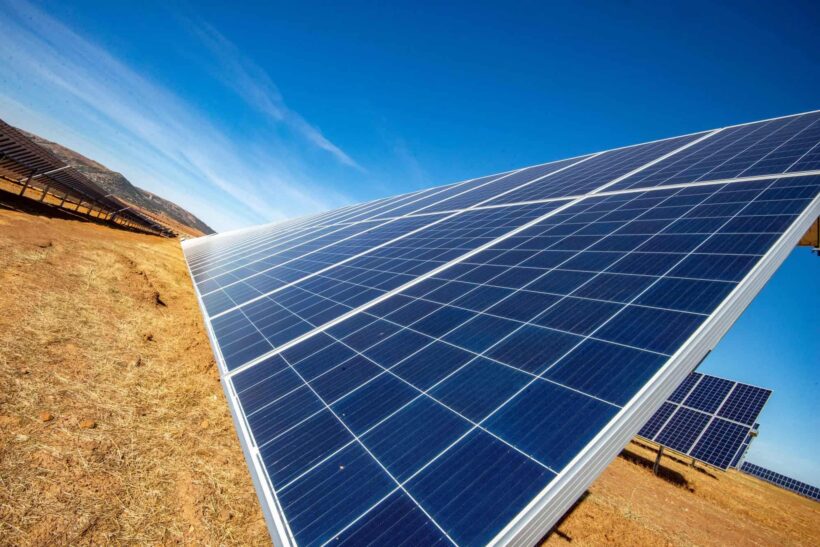
The Municipality of São Vicente Ferrer, in the Agreste of Pernambuco, began an energy transformation that has been catching attention in the country. With 16,677 inhabitants and 107 kilometers from Recife, the city installed 1,850 solar panels in schools, hospitals, and public offices.
Additionally, the city hall acquired electric cars to renew the municipal fleet. The estimate is that the initiative will generate an annual savings of up to R$ 1.5 million, an amount that will be completely directed to the public health sector.
Investment and Strategy in Solar Energy
The change began in 2023 when the city obtained a credit line of R$ 4 million from the Banco do Brasil. Instead of building a centralized plant, the technical team opted to install solar sub-plants on the roofs of public buildings.
According to the municipal secretary of Planning and Management, Adilson Carlos Ferraz, it was necessary to reinforce the structures of the properties and connect the systems to the Neoenergia network.
-
Brazilian scientists are simultaneously advancing two research projects on clean hydrogen and driving solutions that could transform the energy matrix, enhance industrial competitiveness, and accelerate large-scale emission reduction targets.

-
Advancement in renewable energy: A R$ 150 million project launched by Petrobras and Finep aims to create state-of-the-art electrolyzers for green hydrogen, strengthening national research and preparing Brazil to compete in a billion-dollar energy market.
-
Solar energy can increase property value by up to 10% and become a selling point.
-
Illiterate or semi-literate grandmothers were trained to repair solar systems, open rural workshops, and light up homes that still depended on kerosene.




The initiative involved four schools, one daycare center, seven health units, and the main administrative bodies. Since then, the city’s energy consumption has drastically decreased.
Fleet of Electric Cars and Social Mobility
Alongside the solar transition, the city invested R$ 700 thousand in the purchase of four electric vehicles, with resources from Fundeb and the municipal budget.
The new fleet serves the secretariats of Education, Health, and Social Assistance. One of the cars transports patients for treatments in other cities, while two vehicles assist students in hard-to-reach areas. The last one assists families in vulnerable situations.
The city hall intends to replace all 12 vehicles in the fleet by the end of 2025, making it entirely electric.
Solar Potential of the Agreste Boosts Project
Located in one of the areas with the highest solar radiation in Brazil, São Vicente Ferrer takes advantage of a strategic natural condition.
According to the Brazilian Atlas of Solar Energy, published by Inpe, the region has high potential for photovoltaic generation, making the investment even more efficient.
In 2024, Brazil surpassed the mark of 54 gigawatts of installed capacity in solar energy, which represents almost four times the generation of the Itaipu Dam.
Experts point out that the return on investment in solar energy can occur between seven and ten years, even with high initial costs.
The experience of São Vicente Ferrer shows that small municipalities can also lead the energy transition, as long as they have planning and access to credit.
Direct Impact on Health and the Environment
With the savings generated, the city reinforces investments in medical care, hospital infrastructure, and acquisition of supplies.
At the same time, it reduces the emission of polluting gases, advances sustainability, and contributes to the country’s climate goals.
Even facing logistical and financial challenges, São Vicente Ferrer has proven that it is possible to balance innovation, economy, and environmental responsibility. The city now serves as an example for other regions wishing to implement smart and sustainable solutions in public management.





-

1 person reacted to this.