






 Portuguese
  Spanish


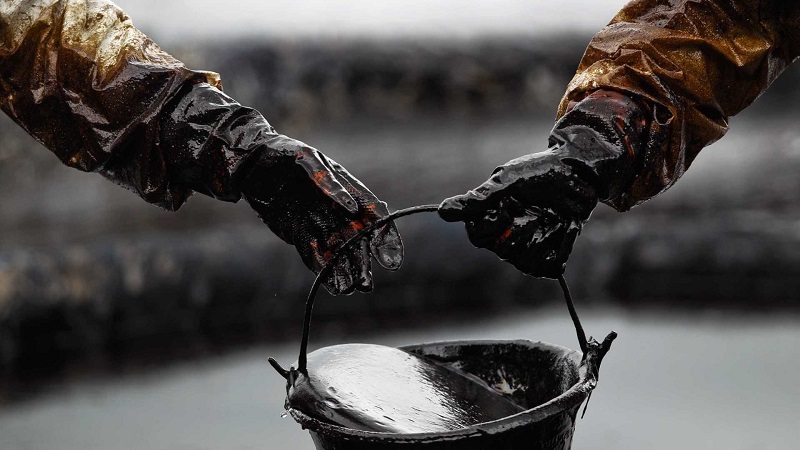

Start of Oil Tanking Operations at Qingdao Port, the Sixth Largest in the World, Will Help Solidify the Company’s Presence in the Chinese Market
Petrobras announced on June 28 that it inaugurated crude oil tanking at Qingdao Port in Shandong Province, China, on June 26, as part of its efforts to develop new markets and add value to pre-salt oil exports, which are expected to double the company’s production in the coming years.
The choice of location is strategic: China accounts for 75% of the crude oil volume that the company exports, of which 38% is destined for independent refiners in Shandong and adjacent regions. Through this initiative, Petrobras aims to solidify its presence in the promising Chinese market, as another step toward diversifying and expanding its oil sales.
-
Real Estate Agent Buys Marvel Movie Subway Car for $5,000 and Converts It into Themed Airbnb
-
Real Estate Agent Buys Marvel Movie Subway Car for $5,000 and Converts It into Themed Airbnb
-
Former Roma and Fiorentina Player Filipe Gomes Returns to Brazil to Found Empório do Galeto, Aiming for $10 Million Revenue by 2026
-
Canada Builds 6.2-Hectare Containment Box to Trap 615,000 Cubic Meters of Toxic Sediment in Lake Ontario


“Developing new markets for pre-salt oil is essential for Petrobras, in light of an export scenario indicating volumes exceeding 800,000 barrels per day in the coming years. The challenge is significant, requiring continuous commercial efforts to seek new markets and clients for Petrobras’ oils, enabling value addition and effective monetization of our reserves,” said the Executive Director of Refining and Natural Gas at Petrobras, Anelise Quintão Lara, at the first cargo ceremony in the tanks at Qingdao Port. In the first half of 2019, the company’s average crude oil export was 600,000 barrels per day.
Present at the event were the Executive Manager of Marketing and Commercialization, Cláudio Rogério Linassi Mastella, government authorities from Shandong Province, leaders from Qingdao Port, and representatives from 37 independent refineries.
About the Chinese Market
Until the end of 2014, only Chinese state-owned companies were authorized to import oil. Private independent refiners, which represent about 25% of the Chinese refining sector and handle three million barrels per day, were authorized to process only domestic oil.
The landscape changed when a milestone occurred in the oil and gas industry in China: the Chinese government initiated a program in 2015 to break the state-owned companies’ monopoly on oil imports and increase competition in the sector, gradually granting import quotas to independent refiners, allowing these refineries access to imported oils as well.
In an effort to expand its operations in Chinese territory, Petrobras has been consolidating a portfolio of 19 independent refiners for the sale of medium oil streams from pre-salt fields since the market opening. With greater competitiveness in this market, the company intends to further increase its customer base and thereby capture better value for its oils in the international market.
Petrobras Announces Global Offer to Repurchase Bonds of Up to US$ 3 Billion







