






 Portuguese
  Spanish


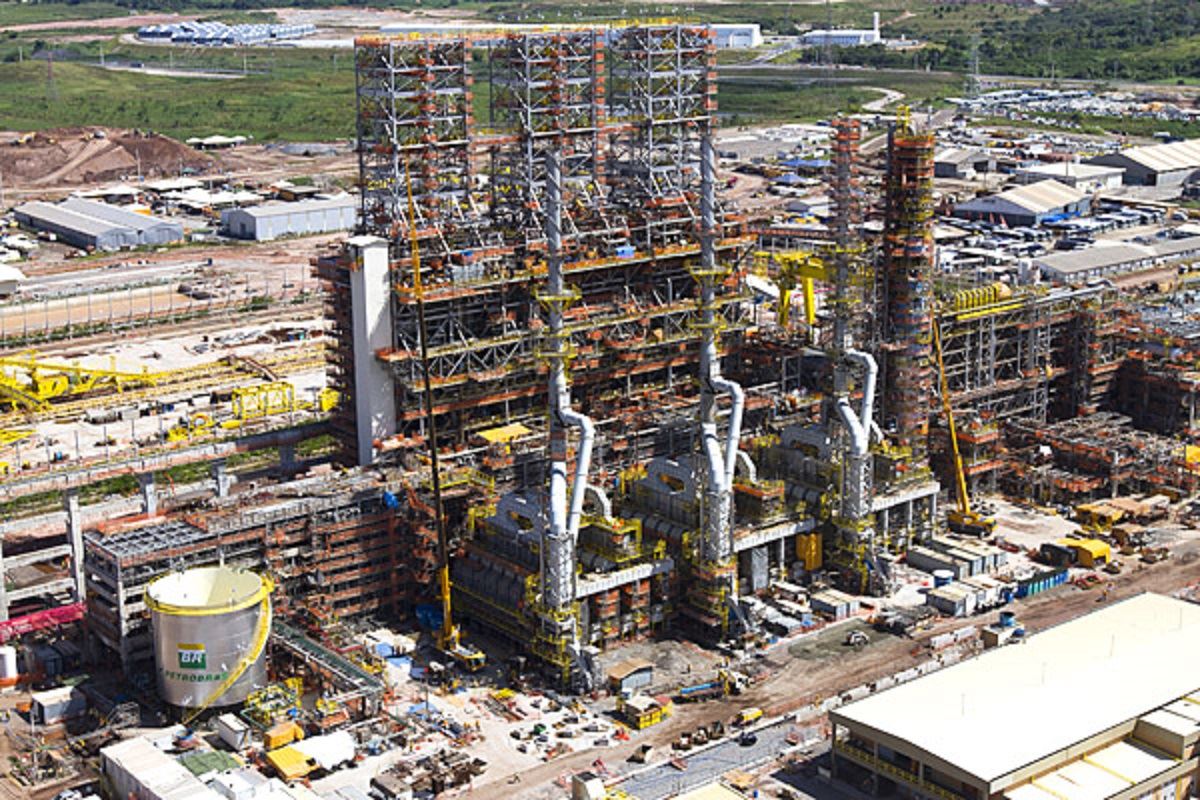

The End of Petrobras’ Monopoly Is Near and the Divestment Plans Reach Refining, the State-Owned Company Will Dispose of Half of Its Capacity, Planning to Start in June
According to statements from the new government, Petrobras will focus on its core activity (E&P) and will sell assets that do not fit this premise, and for that, it decided to sell thirteen refineries located in the South, Southeast, and Northeast regions.
The Government’s Intent Has Always Been to Keep Only Half of Its Refining Capacity something around 1.1 million barrels per day, given that the total capacity of the refineries was 2.2 million barrels per day in 2018.
With the decision made, the next step is to submit the privatization model to CADE (Administrative Council for Economic Defense) this month so that the process can start by June.
It is up to CADE to define the model, avoiding, for example, allowing the same private group to buy refineries in the same region.
-
Lenovo Unveils Legion Y700 Tablet with RGB Backlighting, 5G, and SIM Card Support
-
Lenovo Unveils Legion Y700 Tablet with RGB Backlighting, 5G, and SIM Card Support
-
Northern Brazilian City Prepares Task Force to Mitigate El Niño Impacts with Stockpiled Fish, Drone Monitoring, Firefighting, and Water Supply Reinforcement in Remote Areas

-
Brazil to Issue “Panda Bonds” in China, Aiming to Raise Up to 5 Billion Yuan at Lower Interest Rates Than Dollar Debt

Petrobras’ schedule is already established; in June, the formal announcement of the sale will be made with the definition of the units, the qualification of interested parties, and it begins to analyze the proposals, given that the process as a whole has already been agreed upon with the TCU (Federal Court of Accounts).
Petrobras estimates to raise approximately between US$10 and US$ 15 billion with the sale of the refineries, and this amount will be used to reduce the company’s debts.
End of the Monopoly
The refining monopoly, in Petrobras’ opinion, is not good for the company, as every government intervention in fuel pricing policy results in losses because they have to sell below cost.
It is worth remembering that the monopoly was not established by law in Brazil; it occurred more due to the lack of private investments, driven by fears of interventions from recent governments.
According to the law, prices have been free since 2002, but the management of Petrobras is appointed by the government and its interests.
By selling cheaply, the company bears the losses; by selling expensively and above the international average, it loses sales to large consumers who prefer to import, resulting in market share loss for the company.
The President of BNDES, Joaquim Levy, Wants Natural Gas as Fuel in Trucks! Access the Article Here!







