Portuguese
  Spanish


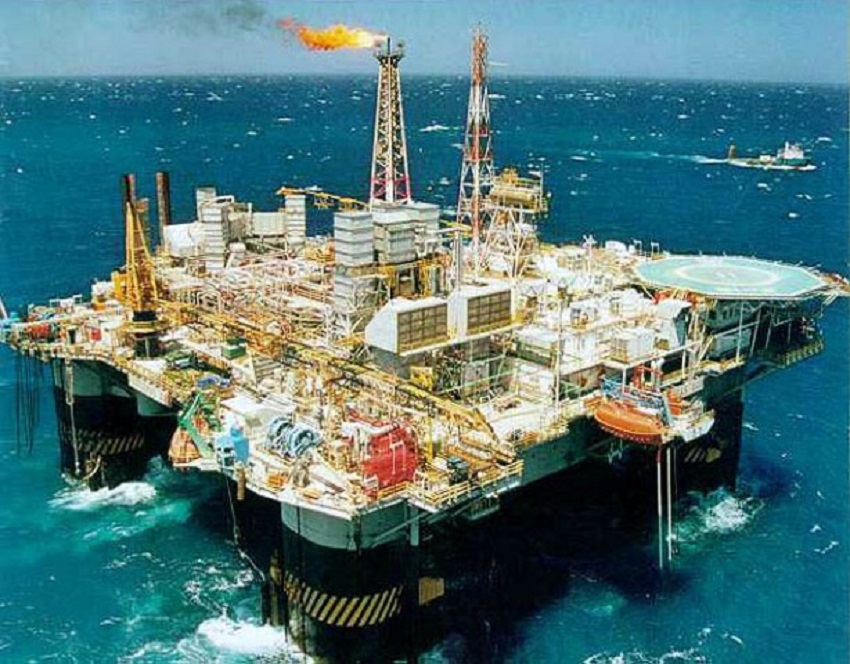

Pre-Salt Extraction Costs Surpass Those of Other Assets, Significantly Contributing to Petrobras’ National Production
As Click Oil and Gas has already reported, Petrobras recorded its highest quarterly profit in history and the company announced in a statement last Friday (08/02) that the expenses for oil extraction in the pre-salt layer reached the lowest level in history, at US$ 6 per barrel of oil equivalent (boe – oil plus gas).
In addition to being the main Brazilian producer, the pre-salt has the lowest costs compared to other assets located in shallow, deep waters and onshore.
Petrobras’ statement also noted that extracting oil from deepwater fields costs more than double that of the pre-salt, amounting to US$ 13.6 per barrel.
Extraction costs in shallow waters are the highest, at US$ 31.6, and onshore (land) costs US$ 19.5 per barrel; averaging the extraction costs of oil and gas by asset location, Petrobras spends US$ 10.4 per barrel.
-
Over 2,000 Tons of Discarded Fishing Nets Since 2020 Repurposed into Durable Caps, Fins, and Parts

-
Seals and Sea Lions Lose Habitat and Food as Climate Change Advances, Impacting Ice, Prey, and Coastal Communities

-
Brazilian Innovator Uses 3D-Printed Device to Cool Two Rooms with One Air Conditioner
-
China Uses 432 Robots to Move a 7,500-Ton Historic Building in Shanghai, Preserving Architecture While Creating Space for Underground Center


Pre-Salt is Production Leader
To illustrate the importance of the pre-salt for Petrobras and Brazil, in the second quarter of this year, pre-salt production accounted for 55% of all oil and gas extraction by the company.
Deepwater fields took second place with 33%, while third place goes to onshore fields, which accounted for
9%, and shallow water fields come in last, with 3% of national production.
In the second quarter, the period between April and June, national production rose 12.8% compared to the first quarter, reaching 1.41 million barrels of oil equivalent per day.
Read Also! Petrobras Boosts Its Profits by Focusing on Ultra-Deepwater Exploration!