Portuguese
  Spanish


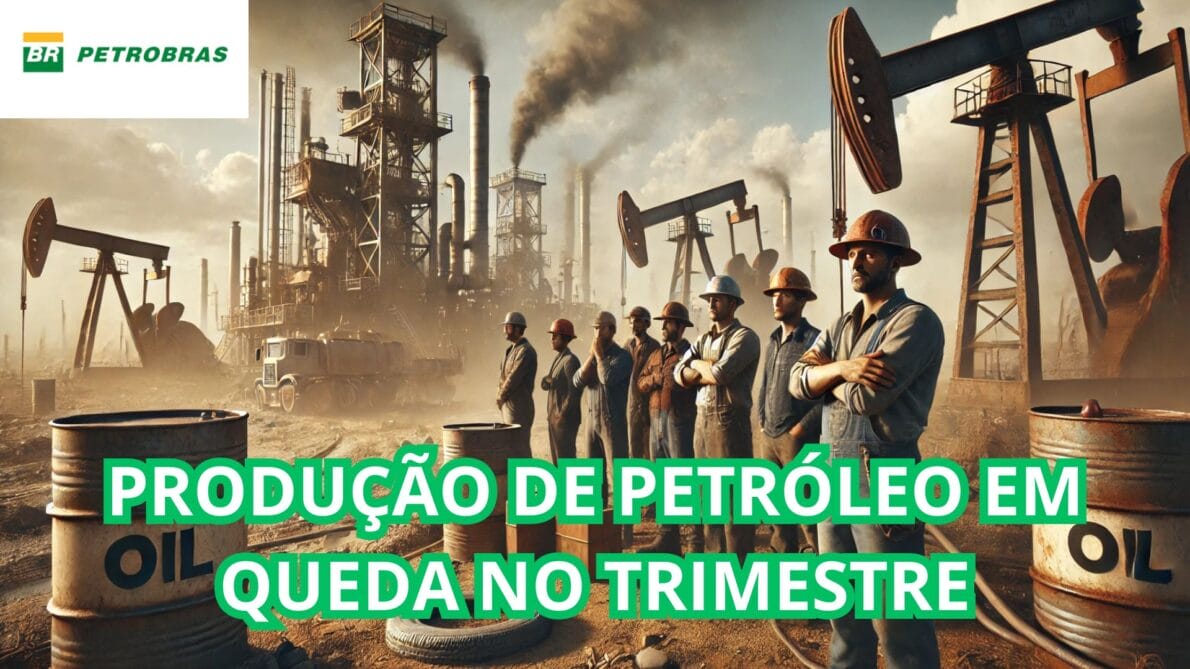

Production Down And Exports To Latin America In Accelerated Decline
Petrobras, Brazil’s largest oil producer, recorded an unexpected 8.2% decline in oil production in the third quarter of 2024. The daily average was reduced to 2.13 million barrels, which surprised the market. In addition, exports to Latin America also fell considerably, reinforcing the challenges for the state-owned company. How will this impact Petrobras’ performance in the next quarter?
Pre-Salt In Decline And Weak External Demand
While overall production decreased, the decline was also felt in the pre-salt, one of Petrobras’ most profitable areas, which suffered a 2.7% reduction. Additionally, the external market showed a weakening in purchases, especially in Latin America, which exacerbates the scenario. For Petrobras, this situation reinforces the need for strategic adjustments. But how can they compensate for this loss of demand?
- Latin America, which previously absorbed 13% of exports, now represents only 7%. This drop points to regional vulnerability.
- China still leads as the main destination for Petrobras’ oil, accounting for 41% of exports, while Europe remained stable at 32%.
These numbers highlight the urgency for new solutions for Petrobras to maintain its strength.
-
OPEC+ Boosts Oil Supply by 188,000 Barrels per Day in July 2026, Leading to Price Drop from $112 to $89 per Barrel in Under Two Months

-
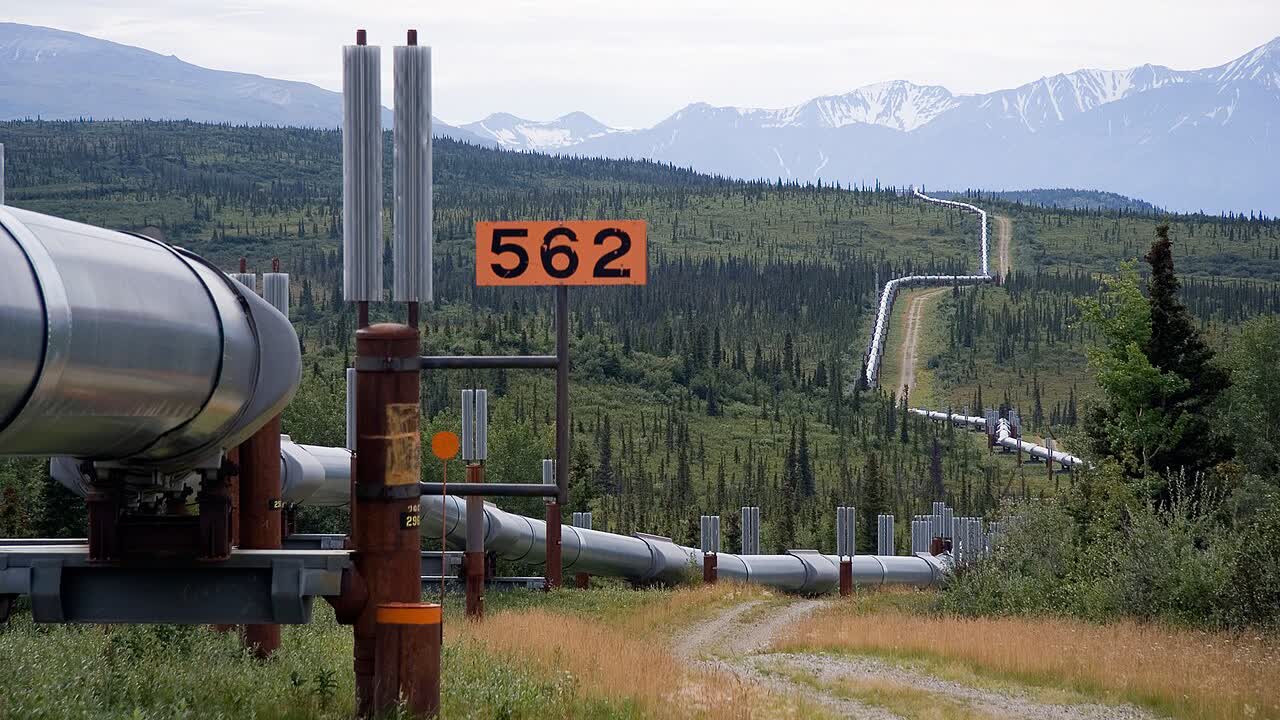
TotalEnergies Signs 20-Year Deal to Purchase 2 Million Tons of LNG from Alaska, Boosting Project Viability
-
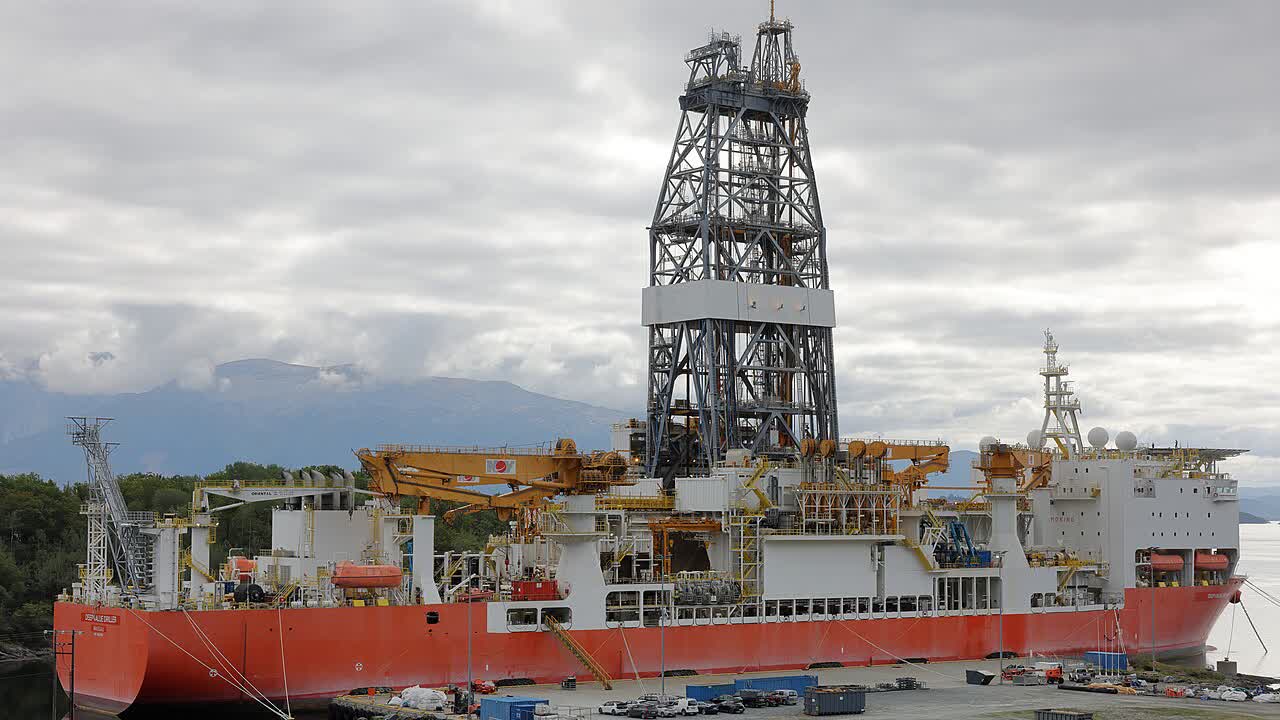
Turkey Deploys Çağrı Bey Drilling Ship to Explore New Oil Frontier Off Somalia’s Coast
-
Golden Pass LNG Ships First Liquefied Gas Cargo from the U.S., Completing $10 Billion QatarEnergy and ExxonMobil Investment

Global Market Increases Pressure On Petrobras
Petrobras now faces an increasingly competitive global market. With Latin America in retreat, the question is: will the state-owned company be able to maintain its global relevance? Furthermore, competition has increased, with new producers from the Middle East gaining ground. Is Petrobras prepared to face these new challenges?
- Operational problems complicate the maintenance of production levels, especially in the pre-salt.
- The decline in Latin American demand calls for an urgent reassessment of strategies.
- International competitors, such as Middle Eastern producers, further pressure Petrobras, which will need new plans to ensure competitiveness.
Given this scenario, how does Petrobras intend to react?
New Partnerships And Technological Innovation To Overcome Challenges
To face these challenges, Petrobras needs to seek new international partnerships and invest in technology. Such actions can be decisive but require swift planning and precise execution. Could strategic agreements and innovation be the key to increasing efficiency and diversifying markets?
- International partnerships can strengthen Petrobras’ presence in more stable and promising markets.
- New markets, such as Asian countries, could compensate for the decline in Latin America, offering a growth opportunity.
- Innovation in extraction technology can ensure efficiency in the pre-salt, a crucial area for Petrobras.
The question, however, is whether these actions will be sufficient to ensure the recovery and continuous growth of the state-owned company.
Impacts For Brazil And Latin America With The Reduction In Exports
The decline in exports affects not only Petrobras but also generates impacts on the economies of Latin America, which traditionally depend on Brazilian oil. The reduction in demand reflects a greater vulnerability for these countries, which now face more uncertainties in energy supply. Additionally, the presence of new competitors makes the market more difficult for Petrobras. How will the state-owned company react to avoid losing its regional leadership position?
This uncertain scenario raises new questions about the future of Petrobras in Latin America and how the company can secure its sales in the region.
Strategies To Secure The Future Of Petrobras In The Global Market
In light of a sharp decline in production and growing competition, Petrobras needs to act quickly. International partnerships, seeking new markets, and investing in technology are some of the alternatives that can help the company regain growth.
However, will these measures bring the necessary results to keep Petrobras competitive in a rapidly changing oil market?