Portuguese
  Spanish


New Petrobras Unit in Paulínia Elevates the Standard of National Fuels, Bringing Technological Innovation and Positive Environmental Impact, Opening the Way for a Cleaner and More Efficient Energy Matrix, While Maintaining Focus on Meeting the Growing Demand of Brazil.
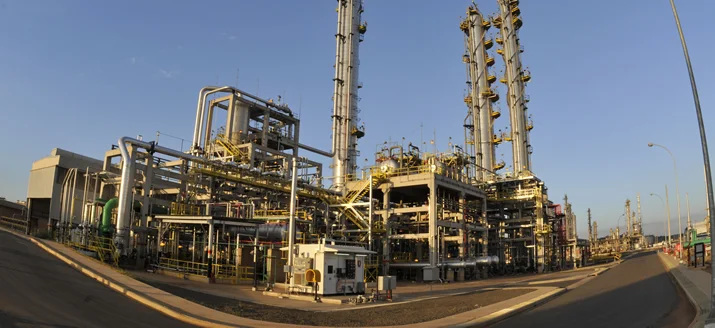
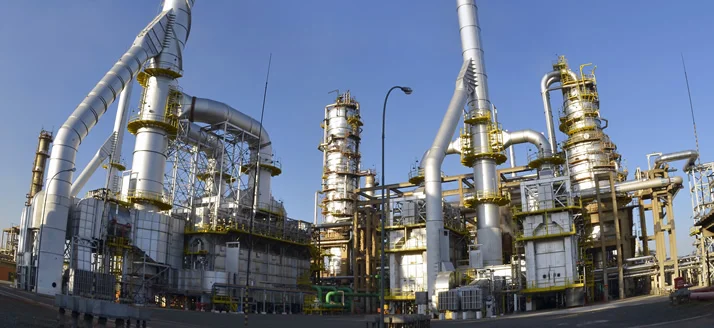
Petrobras took a decisive step toward sustainability and modernization of the fuel industry by inaugurating the new Diesel Hydroprocessing Unit (HDT-D) at the Paulínia Refinery (Replan) on Tuesday (27), considered the largest in the country.
With the capacity to produce up to 63,000 barrels of S-10 diesel daily, equivalent to 10 million liters, the unit can supply a fleet of 20,000 buses with a 500-liter tank.
In addition, the operation increases the production of sustainable aviation kerosene (QAV), marking a new era for the sector, which is now investing in technologies that reduce environmental impact without compromising energy efficiency.
-
Brazilian Startup Turns Coffee Grounds into Plant-Based Leather, Cutting Water Use by Over 50 Times for High-Impact Sustainable Fashion

-
Eco Invest Auction Aims to Unlock $10 Billion in Investments, Focusing on Green Fertilizers, Critical Minerals, Batteries, and AI for Clean Industry in Brazil

-
Half of Brazilians Prefer Lower Taxes with Private Health and Education, While 44% Opt for Higher Taxes for State-Provided Services, Datafolha Survey Reveals

-
Brazil’s Most Expensive Toll Rises to R$ 40.60 on Route from São Paulo to the Coast, Nearly Matching Bus Fare to Santos




Replan, located in the interior of São Paulo, is responsible for processing about 30% of national oil, a volume that makes it a key player in Brazil’s energy matrix.
According to Petrobras, the installation of the new unit aims to gradually eliminate the production of S-500 diesel, which has a higher sulfur content, and replace it with cleaner and less polluting S-10 diesel.
National Technology and Environmental Impact
The project for the unit was developed with 100% Brazilian technology, the result of a partnership between the Leopoldo Américo Miguez de Mello Research and Development Center (Cenpes) and Petrobras’s engineering team.
To obtain S-10 diesel, the process uses a furnace that reaches temperatures of up to 1,300 degrees Celsius and generates 130 tons of steam per day.
This high temperature allows for the production of hydrogen, essential for removing contaminants such as sulfur, the main cause of air pollution.
According to Petrobras, this technological transformation significantly reduces emissions of sulfur compounds, contributing to improved air quality and public health, as well as increasing the refinery’s energy efficiency.
In addition to the environmental impact, the operation also aims to optimize water consumption, reinforcing the company’s commitment to sustainability at all stages of the production process.
The operation is conducted by a highly specialized team composed of 506 operators working in shifts, ensuring safety and continuous efficiency in the unit’s operation.
Investment and Capacity Expansion
The investment in the construction of the hydroprocessing unit reached US$ 458 million, with work starting in 2022.
Before the inauguration, Replan produced about 24 million liters of diesel per day.
With the new structure, capacity increased to 34 million liters daily.
The expansion also includes the possibility of increasing the production of aviation kerosene (QAV), an essential fuel for the air sector, which must keep pace with market demand, increasingly concerned with sustainability.
Petrobras projects that the production of S-500 diesel will be completely discontinued in the coming years, consolidating S-10 diesel as the national standard and aligning Brazil with the best international practices for clean fuels.
The Largest Refinery in the Country
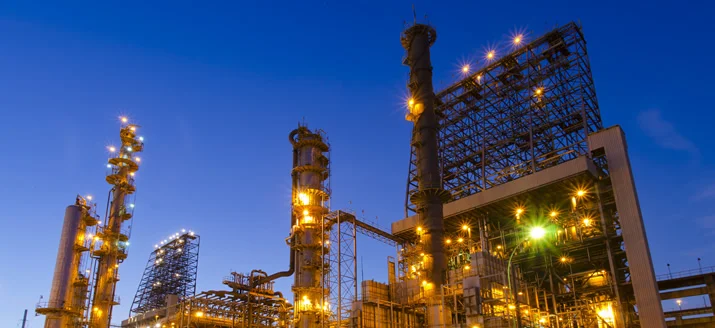
The Paulínia Refinery stands out as Petrobras’s largest refinery and the largest in Brazil for oil processing, with a capacity to treat 69,000 cubic meters daily — equivalent to about 434,000 barrels or 69 million liters per day.
In comparison, the second largest, the Henrique Lage Refinery (Revap), in São José dos Campos (SP), processes about 40 million liters per day.
The production from Replan primarily supplies the interior of São Paulo state, with 55% of the distribution, in addition to serving other strategic regions such as southern Minas Gerais, Triângulo Mineiro, Mato Grosso, Mato Grosso do Sul, Rondônia, Acre, Goiás, Federal District, and Tocantins.
Diesel is the main product distributed by the refinery, but the unit also generates a variety of derivatives that supply various sectors of the Brazilian economy.
Among them are gasoline, aviation kerosene, liquefied petroleum gas (LPG), known as cooking gas, fuel oils, asphalts, sulfur — which is even used in the cosmetics industry — and propylene, a raw material in the production of plastics and tires.
Impacts on Consumers and the Environment
With the progressive substitution of S-500 diesel by S-10, end users should notice an improvement in fuel quality, which is less polluting and more efficient.
S-10 diesel has a maximum sulfur content of 10 parts per million (ppm), much lower than the 500 ppm of S-500 diesel.
This change directly impacts the reduction of pollutant gas emissions, especially sulfur oxides (SOx), which contribute to acid rain and respiratory problems in humans.
The improvement in fuel quality also benefits the lifespan of engines, in addition to reducing the environmental wear caused by road transport, which accounts for a large portion of diesel consumption in Brazil.
New Challenges and the Future of Fuels in Brazil
Petrobras emphasizes that this new unit puts Brazil in a prominent position in the search for cleaner fuels and cutting-edge technology.
However, the challenge of increasing the production of sustainable and low-emission fuels still requires constant investments and aligned public policies to ensure energy transition in the country.
The transportation sector, one of the largest contributors to pollutant gas emissions in Brazil, directly benefits from this technological innovation, which can serve as a model for other refineries and regions.
Moreover, increasing the production of sustainable aviation kerosene is essential to reduce the carbon footprint of the aviation sector, one of the most challenging in terms of decarbonization.
Do you think Brazil is prepared to accelerate the production and consumption of more sustainable fuels, such as S-10 diesel and sustainable kerosene?