






 Portuguese
  Spanish
  3 min of reading
  0 comments


Petrobras Investments Reach US$ 111 Billion, with US$ 4.3 Billion Allocated for Solar and Wind Energy. In 10 Years, Renewable Sources Will Account for Half of the State-Owned Company’s Revenue.
Petrobras recently announced its business plan for the period from 2025 to 2029, maintaining about 70% of investments aimed at the exploration and production segment of fossil fuels. Of the total US$ 111 billion projected for the five-year period, US$ 77.3 billion will be invested in sources such as oil and coal. About 60% of this amount will be directed to pre-salt assets. It is worth mentioning that part of Petrobras’ investments will be allocated to the solar and wind energy sector.
Check Out the Details Revealed About Petrobras’ Investments in Solar and Wind Energy
One of the new aspects of the document is the increase of 42% in the resources allocated for what the company defines as energy transition. The amount reserved increased from US$ 11.5 billion in the previous plan to US$ 16.3 billion. However, nearly half of this amount, US$ 7.1 billion, will be directed to the production of bioproducts such as ethanol, biomethane, and biorefining.
In the low-carbon energy sector, Petrobras’ investments were raised from US$ 5.5 billion to US$ 5.7 billion. Of this total, US$ 4.3 billion will be allocated for the construction and maintenance of onshore solar and wind power plants.
-
Brazilian scientists are simultaneously advancing two research projects on clean hydrogen and driving solutions that could transform the energy matrix, enhance industrial competitiveness, and accelerate large-scale emission reduction targets.

-
Advancement in renewable energy: A R$ 150 million project launched by Petrobras and Finep aims to create state-of-the-art electrolyzers for green hydrogen, strengthening national research and preparing Brazil to compete in a billion-dollar energy market.
-
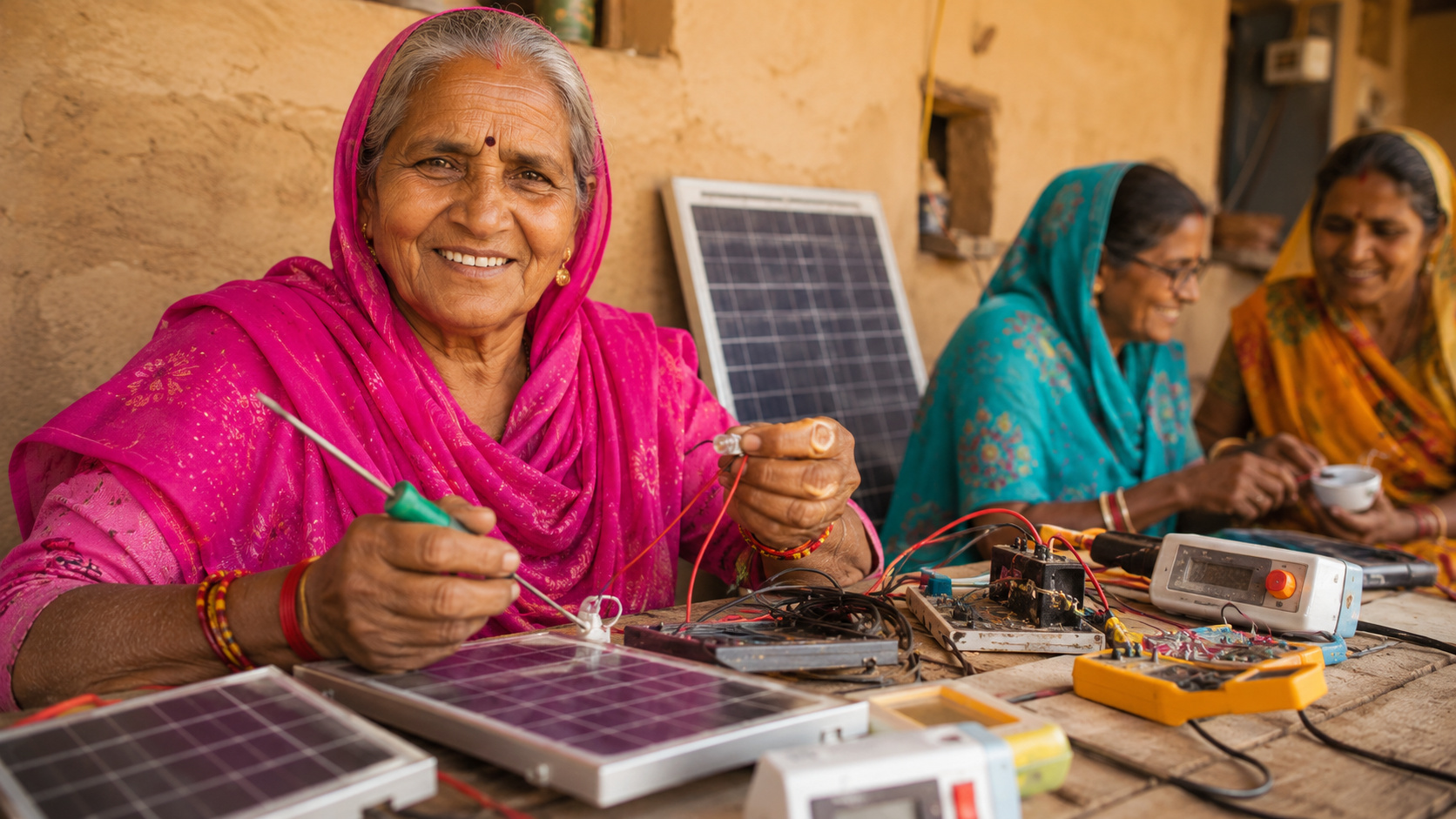
Illiterate or semi-literate grandmothers were trained to repair solar systems, open rural workshops, and light up homes that still depended on kerosene.
-
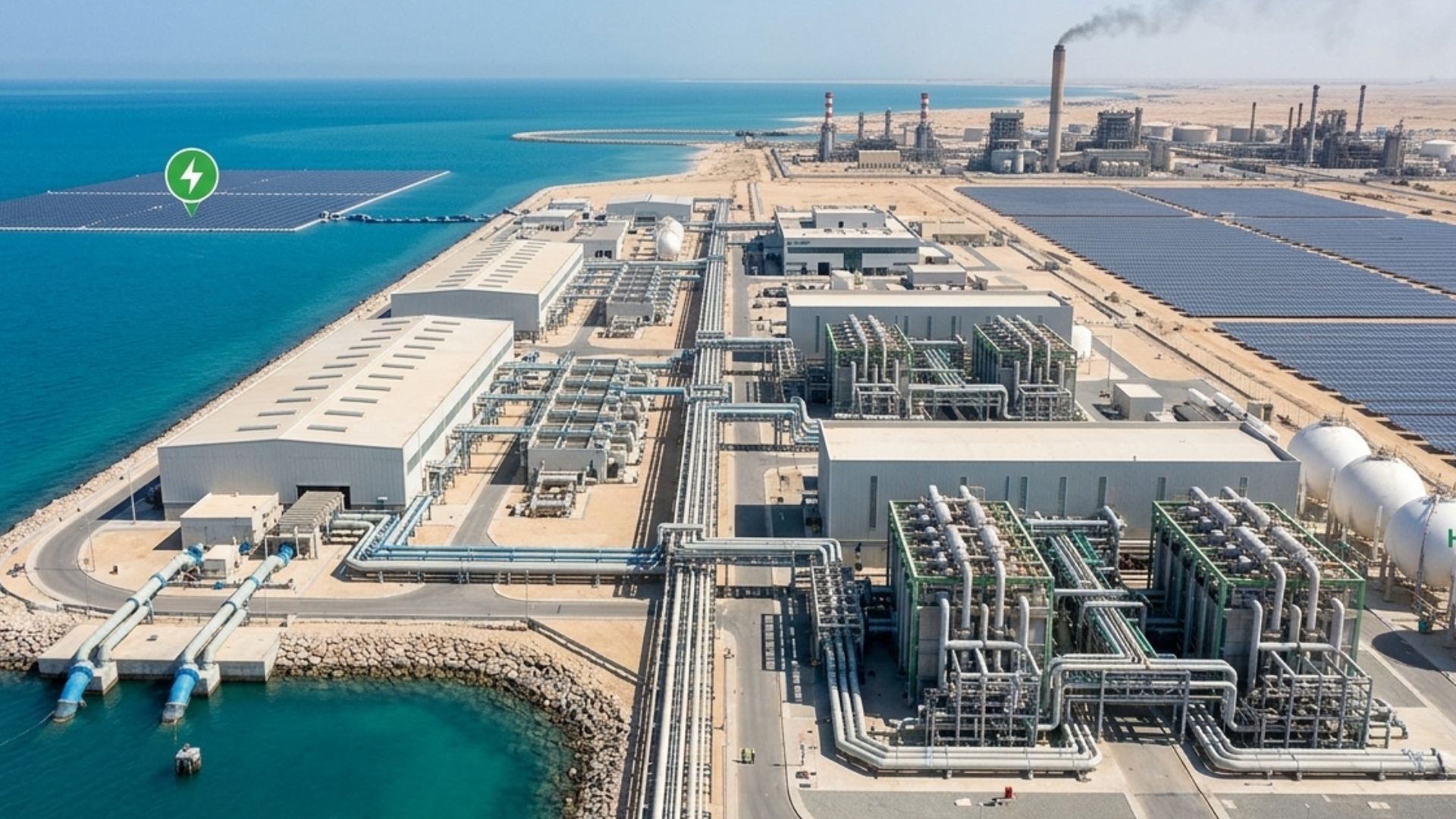
The world has bet on green hydrogen as the fuel of the future, but now faces the side effect: producing 1 kilogram requires about 9 liters of ultrapure water, and the largest projects on the planet are precisely in the driest regions of the Earth, where water is already scarce for people.


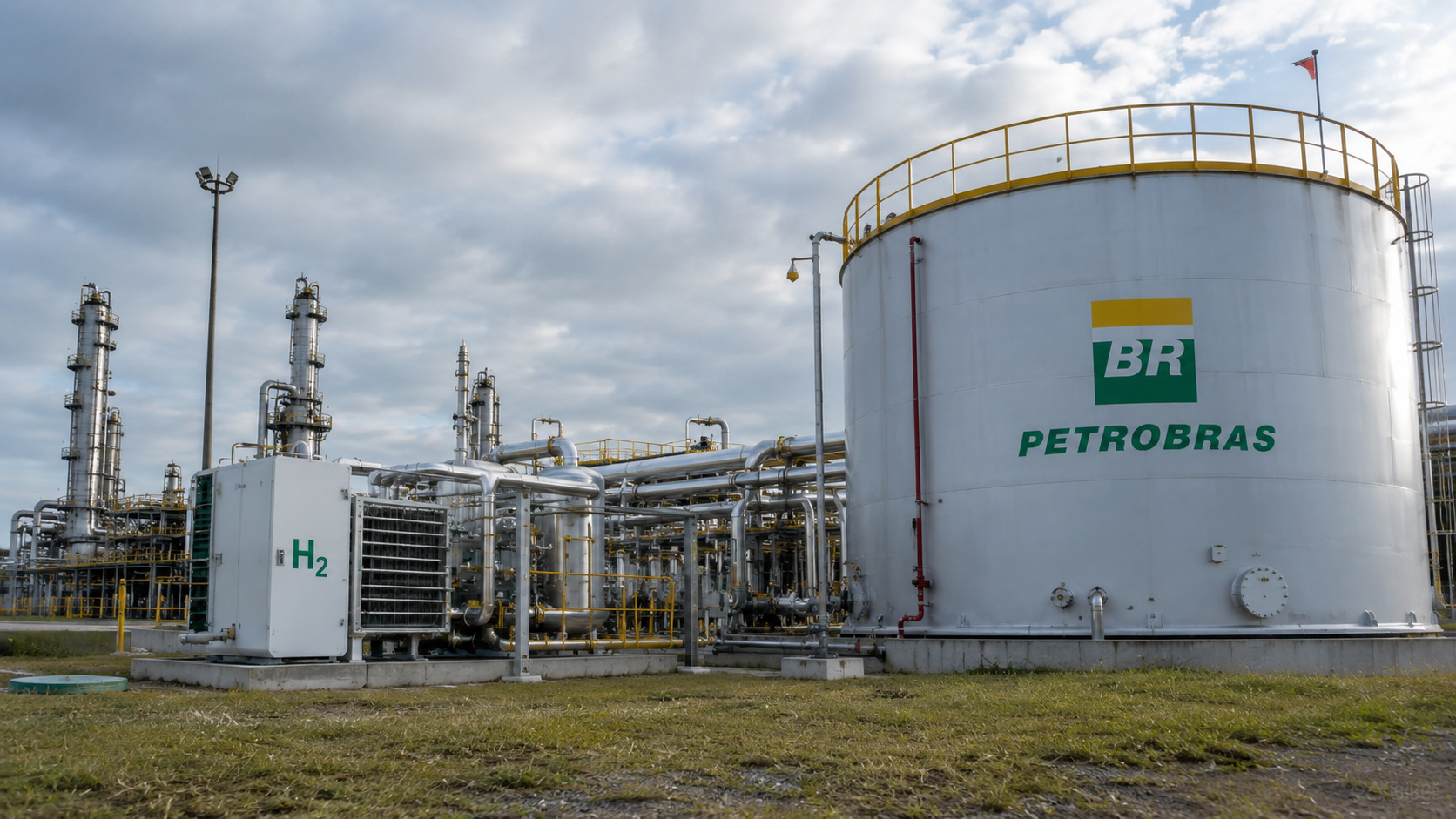
Another US$ 500 million of Petrobras’ investments are reserved for hydrogen projects, while US$ 900 million will be directed to carbon capture and storage (CCUS) initiatives, offshore wind farms, and corporate venture capital funds.
According to the company in a statement, this volume represents 15% of the total CAPEX planned for the five-year period, an increase compared to the 11% of the previous plan, and a growth of 42% compared to the previously estimated amounts.
Understand Petrobras’ Goal with Solar and Wind Energy
For the decarbonization of its operations, the company also increased resources from US$ 3.9 billion to US$ 5.3 billion. Of this amount, US$ 4 billion will be used to reduce pollutant gas emissions, while US$ 1.3 billion will go to the company’s Decarbonization Fund, created to support these actions.
Petrobras also stated that, in renewable generation projects, the strategy will be to preferably work in conjunction with large companies in the sector. The goal is to decarbonize organizations, integrate low-carbon solutions into their portfolio, and seize market opportunities in Brazil.
According to the company, this year the plan has been divided into two parts: PE 2050, which proposes to reflect on the future of the planet and how the company wants to be recognized in 2050, and PN 2025-29, with short- and medium-term goals.
50% of the State-Owned Company’s Revenue Will Come from Solar and Wind Energy
In ten years, half of Petrobras’ revenue will come from solar and wind energy, in addition to renewable fuels, with the company making purchases aimed at promoting the energy transition, according to Jean Paul Prates, president of the state-owned company.
The executive states that, despite Petrobras’ investments, the company does not plan to make drastic changes to its strategy, but pointed out that the state-owned company needs to be prepared for the opportunities that the renewable energy sector may provide.
Initially, the state-owned company is considering investing in solar and wind projects on land before also making investments in offshore plants, i.e., at sea. According to Prates, the Brazilian company is also willing to expand plant-based fuel for the transport sector, especially aviation and maritime transport.










Be the first to react!