Portuguese
  Spanish


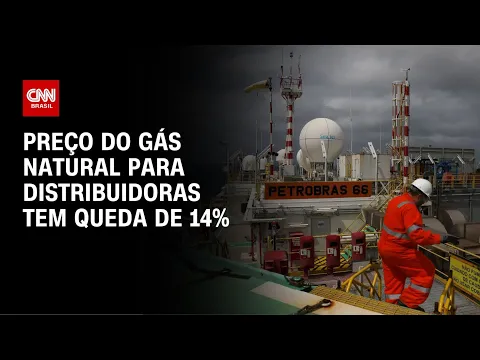
Petrobras Announces Average 14% Reduction in Natural Gas Prices for Distributors, Benefiting the Energy Sector and Consumers Across Brazil.
The Petrobras recently announced a significant reduction in the price of natural gas for distributors, bringing an average decrease of about 14% in the value of the gas molecule.
Thus, this move reflects not only a pricing policy of the company but also various historical and economic factors that influence the natural gas market in Brazil.
Therefore, in this article, we will explore the context of this reduction, the importance of natural gas for distributors, and the consequences of this adjustment for the sector.
-
Oil production grows in Rio, but reserve replacement raises a warning sign

-
Petrobras is expected to complete the drilling of the Morpho well in the Foz do Amazonas in August 2026, the first well in the Equatorial Margin, an oil frontier that the ANP estimates at more than 30 billion barrels and could redraw the map of Brazil.

-
Oil returns to the center of concerns with tension between the US and Iran

-
IEA reduces forecast for global oil demand in 2026 after impacts of the Middle East crisis



Historically, natural gas has gained increasing relevance in the global and Brazilian energy landscape. Unlike other energy sources, such as crude oil or electricity, natural gas stands out as a cleaner and more efficient energy source.
In Brazil, natural gas consumption has significantly increased in recent decades, accompanying the country’s industrial and urban development. Additionally, Petrobras, as the main producer and supplier, ensures supply for the distributors that serve the end consumer market.
This growth in consumption also occurs primarily due to the advancement of infrastructure for the transportation and distribution of natural gas, allowing access in regions that were previously lacking this energy source.
Indeed, the development of pipelines, regasification terminals, and distribution networks reinforces the presence of natural gas in the daily lives of Brazilians and in the country’s production chain.
How Natural Gas Pricing Works for Distributors
The Petrobras calculates the price of natural gas considering variables such as the international price of Brent oil and the exchange rate of the real against the US dollar.
Although natural gas is a local commodity, its value aligns with the global energy market. In the quarter starting in August 2025, the company updated prices and reduced the molecule value by an average of 14% compared to the previous quarter. This decrease occurred mainly due to the 11% reduction in Brent oil prices and the 3.2% appreciation of the real against the dollar.
Moreover, the contracts made between Petrobras and distributors provide for quarterly updates, which reflect both international oil prices and the exchange rate, causing regular variations in the value of natural gas.
Furthermore, Petrobras instituted performance bonus mechanisms and demand incentives, which can further amplify price reductions for distributors, promoting a dynamic commercial policy tailored to market conditions.
From December 2022 to August 2025, the price of the natural gas molecule dropped by approximately 32%. With the application of performance bonuses, this average reduction could exceed 33%.
These figures indicate a clear trend towards more competitive and affordable prices for distributors, which may have positive impacts on the final cost for residential, industrial, and commercial consumers.
Another relevant point in Petrobras’ pricing policy is that variations may differ according to the products contracted and the consumption profile of each distributor.
Thus, this flexibility addresses regional and sectoral specificities, creating a more balanced environment for the sustainable growth of the natural gas market.
Importance of Natural Gas for Brazilian Energy Supply
In Brazil, natural gas plays a strategic role in energy supply, especially in regions where infrastructure for other sources is limited or more expensive.
Distributors deliver natural gas to end consumers, whether for residential, industrial, or electricity generation uses. Therefore, the reduction in the price of the molecule for distributors can represent significant savings for the entire consumption chain, encouraging the use of natural gas as a substitute for more polluting and expensive fuels, such as diesel and coal.
In addition to the direct economic impact, this price reduction aligns with environmental and sustainability goals.
Natural gas emits fewer greenhouse gases compared to other fossil sources, being considered a “bridge” to a cleaner energy transition. Thus, by facilitating distributors’ access to lower prices, Petrobras helps increase the use of natural gas and, consequently, reduce pollutant emissions.
It is noteworthy that natural gas consolidates not only in electricity generation but also in the transportation and industry sectors, which demand reliable and less environmentally impactful sources.
This versatility reinforces the importance of natural gas for distributors, as they connect production to final consumption.
Influences of the International Market and National Infrastructure
The national natural gas market is directly influenced by the international scenario.
The volatility of global oil prices, instability in trade relations between producing and consuming countries, and changes in global energy policies affect the price of natural gas in Brazil.
Therefore, Petrobras has adjusted prices according to these variables, demonstrating flexibility to deal with a dynamic and competitive market.
Another important aspect is the infrastructure necessary for the transportation and distribution of natural gas in Brazil.
An efficient network of pipelines ensures supply for distributors, and consequently, for end consumers.
Thus, investments in infrastructure, such as the expansion of pipelines and regasification terminals, are essential for:
Natural gas to increase its share in the Brazilian energy matrix.
Additionally, strengthening infrastructure can enhance the competitiveness of natural gas compared to other sources, creating opportunities to expand supply and reduce logistical costs.
Moreover, regional projects to expand access to natural gas can drive local economic development, particularly in underserved areas.
The Strategic Role of Petrobras and Impacts of Price Reductions
Petrobras plays a fundamental role not only in production but also in coordinating the natural gas market.
Therefore, the pricing policy that the company adopts directly influences the sector’s competitiveness and attracts investments in stages such as transportation and distribution.
Thus, the reduction in the price of the natural gas molecule for distributors represents a strategic measure that may stimulate consumption growth in the country.
This reduction benefits various sectors of the economy, from heavy industry to local commerce, while also contributing to improving environmental quality.
Finally, Petrobras’ pricing policy, which adjusts values linked to Brent oil and the exchange rate, ensures that prices align with the realities of the international market, avoiding distortions that could harm sector balance.
Additionally, implementing performance mechanisms and incentives reinforces the pursuit of efficiency and demand stimulation, consolidating a more competitive and sustainable environment.
In summary, the recent reduction in natural gas prices for distributors announced by Petrobras results from a combination of global and internal factors that reflect the current moment in the energy market.
Thus, this reduction has the potential to strengthen the natural gas sector, making it more accessible and contributing to a cleaner energy matrix.
Consequently, natural gas for distributors gains greater importance in the country’s economic and environmental development, establishing itself as a fundamental source for the future of energy in Brazil.