Portuguese
  Spanish


Aneel Approves Revision of the CVU of the Três Lagoas Thermal Power Plant, Petrobras, Establishing a New Base for National Energy Planning.
The Três Lagoas thermal power plant, operated by Petrobras, had the value of the Variable Cost Unit (CVU) adjusted by the National Electric Energy Agency (Aneel) to R$ 957.31 per megawatt-hour (MWh). The decision, published in the Federal Official Gazette, will take effect in July 2025 and will last for 12 months.
Located in Mato Grosso do Sul, the plant has an installed capacity of 386 megawatts (MW) and currently operates on a “merchant” basis, meaning there is no active sales contract.
The new CVU aims to encourage the availability of the plant to meet the national energy demand during critical times.
-
Brazil’s ANP Opens 86 New Oil Blocks in the Equatorial Margin, Expanding the Amazon River Mouth Frontier

-
OPEC+ Boosts Oil Supply by 188,000 Barrels per Day in July 2026, Leading to Price Drop from $112 to $89 per Barrel in Under Two Months

-
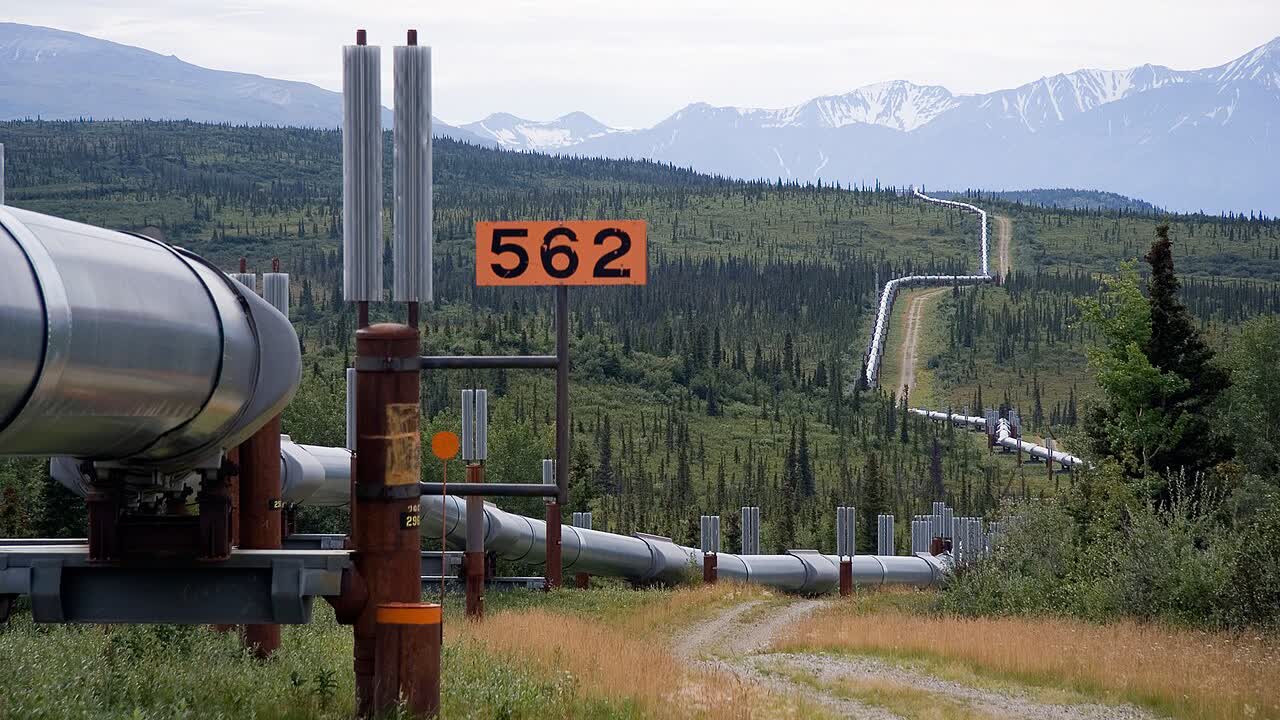
TotalEnergies Signs 20-Year Deal to Purchase 2 Million Tons of LNG from Alaska, Boosting Project Viability
-
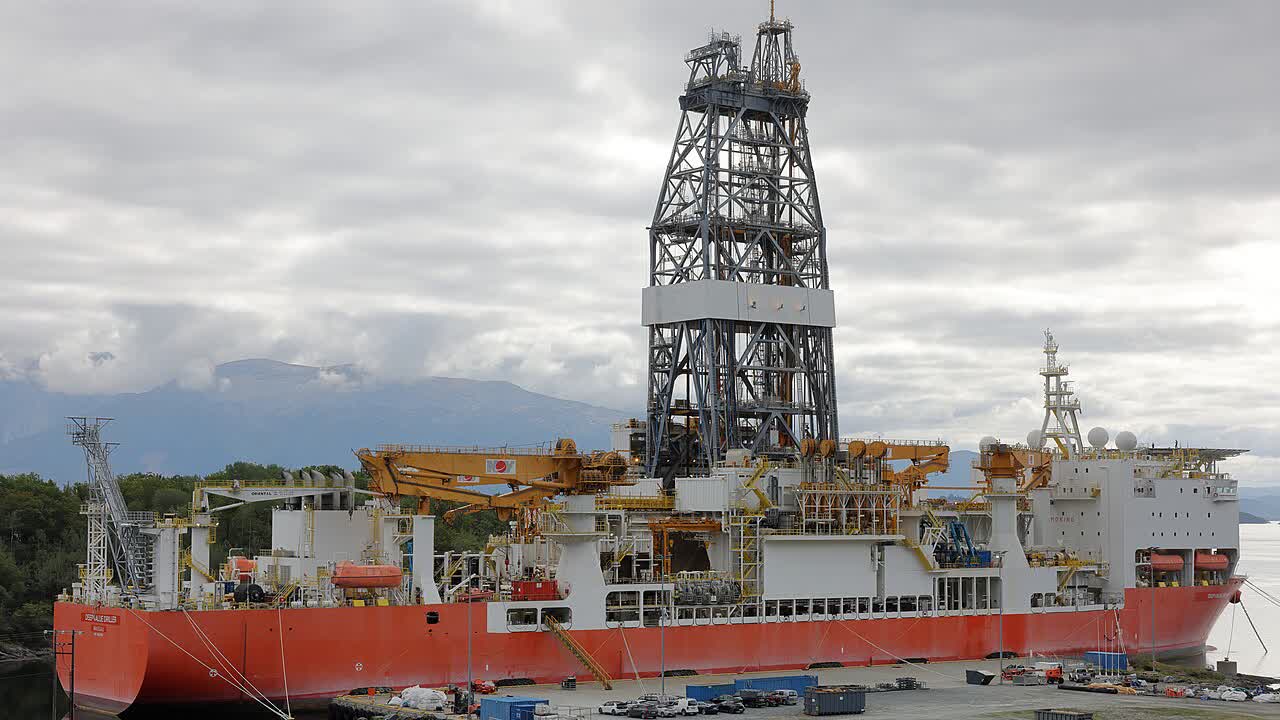
Turkey Deploys Çağrı Bey Drilling Ship to Explore New Oil Frontier Off Somalia’s Coast


Adjustment Aims to Ensure Energy Security
Petrobras will also be entitled to a Fixed Cost Share (PCF) of R$ 102.89/MWh. The amount of generation required to recover these costs was set at 997,793 MWh.
These values will be used by the National Electric System Operator (ONS) in planning and programming processes, and by the Electric Energy Trading Chamber (CCEE), responsible for the accounting and settlement of the energy generated.
According to the Ministry of Mines and Energy (MME), the measure is strategic. It follows ordinance No. 108/2025, which allows the inclusion of fixed costs in the CVU of dispatchable thermal plants without contracts — such as Três Lagoas — ensuring greater security in the electricity supply of the country.
Merchant Thermal Plants Gain Incentives for Operation
The so-called “merchant” plants, such as Petrobras’ Três Lagoas thermal power plant, operate without a power sales contract, making them vulnerable to idleness.
By allowing the incorporation of fixed costs into the CVU, the government seeks to encourage these plants to remain ready for operation.
The goal is to increase energy availability in situations of high consumption or potential water crises.
Petrobras Has Other Projects Included
Três Lagoas was not the only Petrobras unit with an approved revision. Aneel also adjusted the CVUs of the Nova Piratininga, Seropédica, Canoas, and Juiz de Fora thermal plants, all operating on a merchant basis.
In addition, the values of the Ibirité and Termorio plants, contracted in the 2021 capacity reserve auction, were reviewed.
The aim is to align the operational costs of the plants with the current demands of the Brazilian energy market.
Other companies were also benefited, such as EDF Brazil, with the UTE Norte Fluminense, and Âmbar Energia, with the UTE Araucária.
CVU Determines Priority in Dispatching Thermal Plants
The Variable Cost Unit (CVU) is the index that defines the average cost of generating 1 MWh of energy in a thermal plant. It takes into account expenses with fuel, maintenance, and operation.
This indicator is essential for the ONS, which organizes the so-called “merit order” — a kind of queue for activating plants, from the cheapest to the most expensive.
The lower the CVU, the greater the chance a plant will be activated. Therefore, revisions like this directly impact the frequency with which a thermal plant participates in national energy supply.
Pressure for Greater Energy Availability
At the beginning of the week, the ONS sent notices to various thermal plant operators across the country requesting that they keep their plants on standby. The alert was prompted by potential increases in demand in the coming months.
This movement reinforces the importance of public policies aimed at energy security, especially in a scenario of climate change and energy transition.
For Petrobras, the revaluation of the CVU of its thermal plants, such as Três Lagoas, represents an opportunity for a more active role in the electricity sector, strengthening its strategic role in balancing the national system.