Portuguese
  Spanish


Phenomenon observed at Cassino Beach involves recognized extension, moving sand, and the force of the sea on the Gaucho coast, where small belongings can disappear in the wet strip and be found again later, amidst the natural dynamics of an open oceanic beach.
Cassino Beach, on the southern coast of Rio Grande do Sul, draws attention for the extent of its sand strip and the constant movement of the sea, which can bury or displace small objects left on the wet sand.
Located in Rio Grande, the beach stretches over a continuous strip often described as about 254 kilometers, towards Chuí, on the border with Uruguay, although the measurement varies according to the criteria adopted.
The account of rings, keys, glasses, toys, and wallets disappearing in the sand before being found later is explained by natural processes associated with sandy oceanic beaches, according to studies on coastal dynamics.
-
15-Year-Old Entrepreneur Malu Lira Publishes 20 Children’s Books on Financial Education, Earns $500,000, and Expands Her Project to the Amazon Rainforest

-
Entrepreneur Turns Rio Cemetery Canteen into a Successful Snack Chain Generating $4.9 Million Annually and Expanding to Metro Stations

-
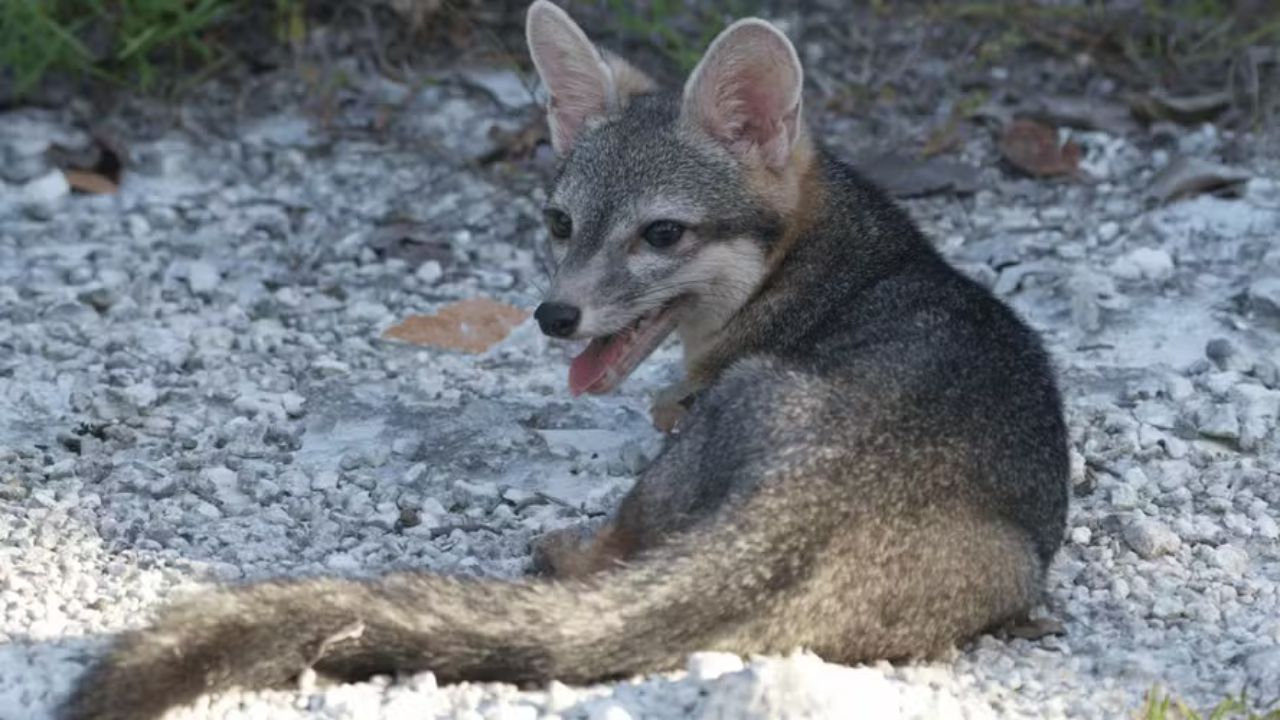
Rare fox feared “extinct” found alive on Caribbean island after over two decades without official sightings

-
21-Year-Old Brazilian Student Turns Homemade Popsicle Hobby into $100,000-a-Month Business




Why objects disappear in the sand at Cassino Beach
In open and extensive beaches, the strip between the sea and dry sand can change several times throughout the day, especially when strong winds, wave advancement, and tide changes push sediments and redraw temporary channels.
When an object falls in the wet area, the movement of water and sand can quickly cover it with fine sediments, drag it through a shallow layer of water, or move it a few meters without the change being noticed.
Visually similar stretches also influence the perception of those walking on the beach, as the long and almost straight line leaves reference points more spaced out than on smaller urban beaches.
Research on Cassino Resort indicates that sandy oceanic beaches are vulnerable to morphodynamic factors, processes related to the shape of the terrain, relief, waves, currents, wind, and sediment transport.
This set of factors does not allow one to state that the beach “returns” objects predictably, but it helps explain why light or small items can get buried, reappear after new sand movement, or be found near the initial point.
Force of the sea reshapes the sand strip on the Gaucho coast
At Cassino Beach, coastal dynamics do not appear only in reports of objects lost at the water’s edge, as academic studies record changes in the coastline, advance and retreat of sediments, and the influence of natural factors on the resort.
A study published in the Cadernos do Núcleo de Análises Urbanas analyzed orbital images between 2006 and 2015 to quantify changes in the coastline in the urbanized area of Balneário Cassino, also considering meteorological data from the period.
The research identified rates of advance and retreat of the coastline and related part of the observed changes to factors such as the beach’s proximity to the mouth of Lagoa dos Patos and episodes of mud deposition.
In another study, published in the Revista Brasileira de Geomorfologia, researchers evaluated the beach dynamics after a mud deposition event that began in April 2014, with effects observed until the end of 2016 in the Cassino region.
During this monitoring, researchers affiliated with the Federal University of Rio Grande recorded the action of waves in the recovery of the sandy beach and the presence of a wide surf zone after changes caused by the displacement of mud deposits.
The World’s Largest Beach is in Brazil
Cassino Beach is often presented as the world’s largest beach in length, with recognition attributed to the Guinness World Records since 1994 by tourism publications and materials dealing with the Brazilian coast.
The Copernicus Data Space Ecosystem platform, linked to the European Earth observation program, also describes Cassino Beach as the longest in the world and cites 254 kilometers between Rio Grande and the border with Uruguay.
The discussion about the measurement occurs because the sandy strip continues continuously southward, passing through stretches known by other names, such as Hermenegildo and Barra do Chuí, which can alter the presentation of the total length.
Due to the geographical scale and the continuity of the sand strip, Cassino is often cited in reports and tourist materials as a particular case of the Brazilian coast, both for its size and the configuration of the coastal landscape.
Cassino Beach Combines Wind, Waves, and History
In addition to its length, Cassino Beach is known for strong winds, waves used in sports such as surfing and kitesurfing, and tourist spots linked to navigation, such as the Molhes da Barra, a structure related to the access of vessels to Lagoa dos Patos.
Among the historical elements associated with the strength of the sea in the region is the ship Altair, a cargo ship that ran aground on the coast of Rio Grande in 1976 and became one of the visited points in the Cassino Beach area.
The width of the sand strip, the presence of wreckage, and the visual repetition of the landscape contribute to small changes in the relief going unnoticed by those who walk, drive, or park near the surf zone.
For this reason, the practical advice on such beaches is to keep personal belongings away from the wet sand strip and avoid leaving them loose near the surf, as the movement of water and sediments can occur in a matter of minutes.
In the case of Praia do Cassino, the temporary disappearance of objects is associated with the combination of open sea, wind, waves, mobile sediments, and an unusual territorial extension, factors that characterize the coastal dynamics of the Gaucho resort.