Portuguese
  Spanish


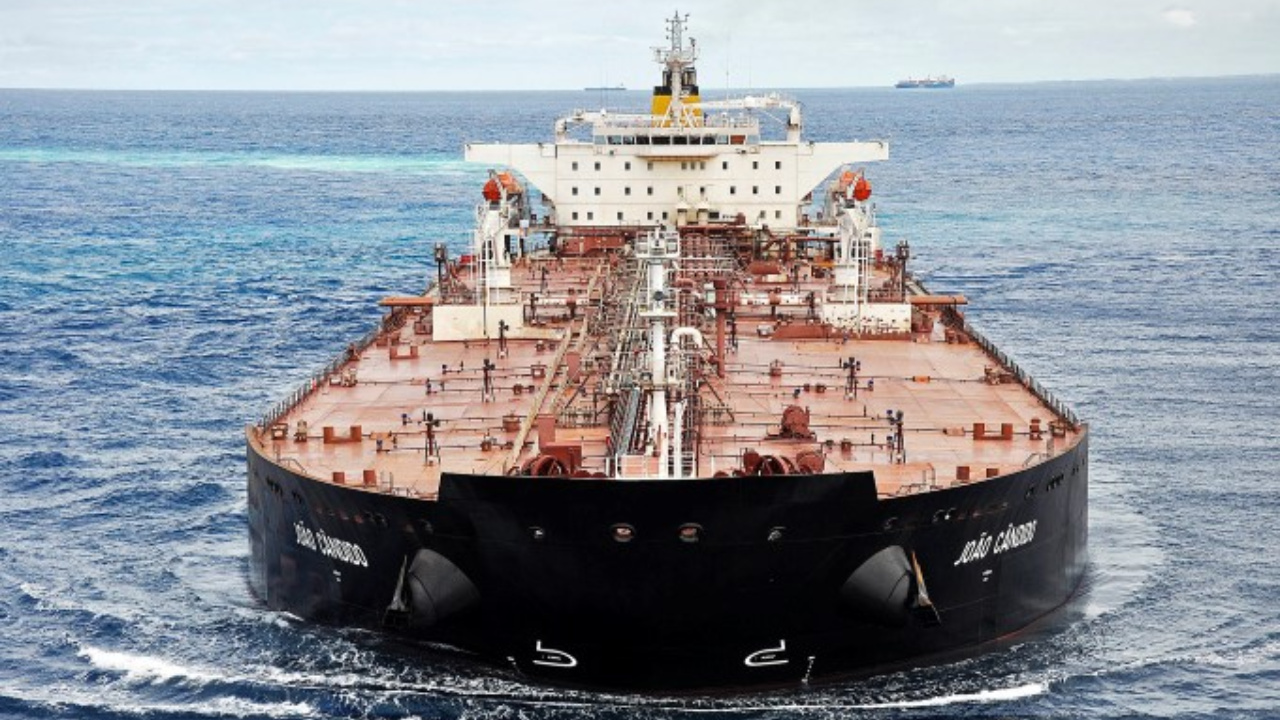

Oil Consolidates Leadership in Brazil’s Export Agenda, Surpassing Soybeans for the Second Year in a Row and Expected to Reach a New Record in 2026, Driven by Pre-Salt and New Platforms.
Oil once again occupied the top position in Brazil’s trade balance and reinforced, in 2025, a structural change in the country’s export agenda. Even with the significant drop in international barrel prices, the product once again surpassed soybeans and established itself as the main exported item by Brazil. For 2026, the sector’s expectation is of a new record, supported by production expansion and the commencement of large offshore platforms.
According to official data from the Ministry of Development, Industry, Commerce and Services (MDIC), Brazil exported US$ 44.6 billion in crude oil in 2025. The value represented a slight retraction of 0.7% compared to 2024, a direct reflection of the devaluation of Brent crude, which fell nearly 10% during the period. Nevertheless, the growth in the shipped volume ensured oil’s leadership in the national export ranking.
Production Grows and Offsets Decline in International Prices
The resilience of Brazilian oil became evident over the past year. While international prices faced strong pressure due to excess global supply, national production continued to rise. Data from the National Agency of Petroleum, Natural Gas and Biofuels (ANP) indicate that extraction grew by 8.6% in the 12 months ending in November 2025.
-
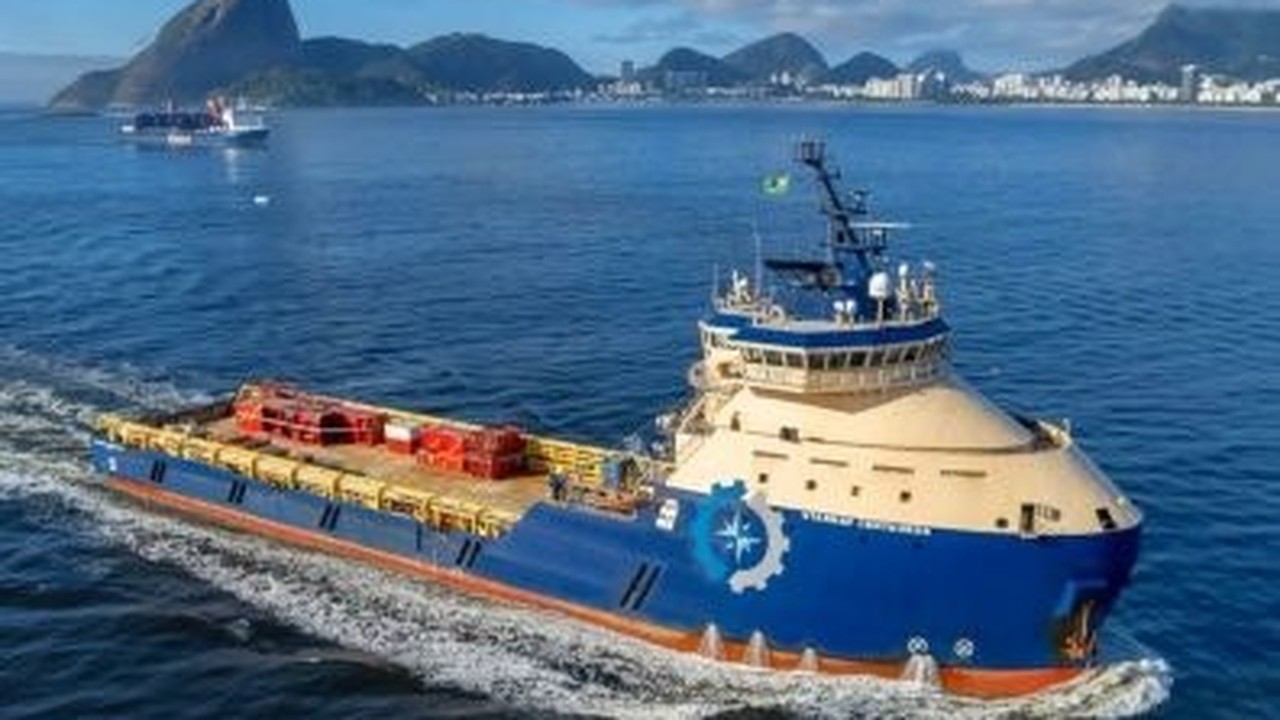
Starnav orders 10 hybrid vessels with German MTU engines in Itajaí and prepares fleet to serve Petrobras in the pre-salt for 12 years.

-
The Chamber releases R$ 10 billion to hold the price of diesel until December and proves that Brazilian fuel remains tied to Congress.
-
It’s official: Petrobras takes 75% of block 3 in São Tomé and Príncipe and debuts as an offshore operator outside South America.
-
With a record production of nearly 3 million barrels per day, Petrobras resumes importing diesel in July, highlighting the bottleneck in Brazilian refining.


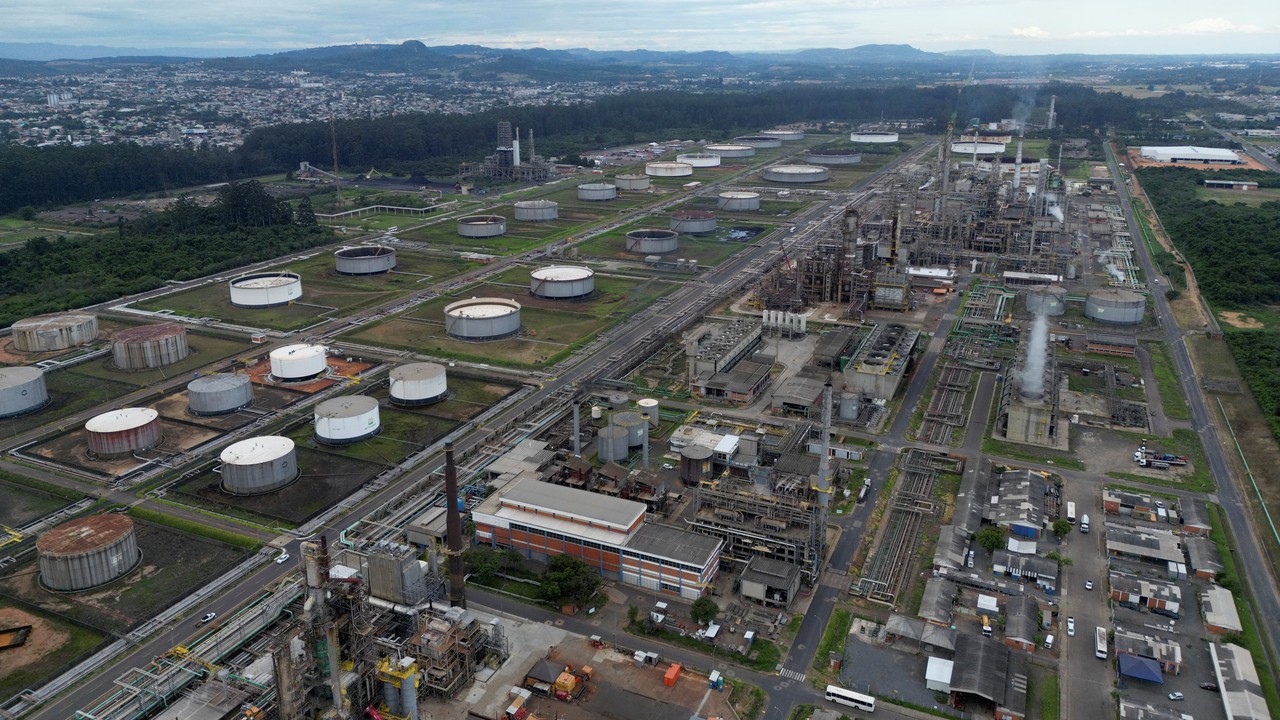
Meanwhile, the export volume increased by around 10% over the accumulated year. This performance was sufficient to offset the devaluation of the barrel and keep oil ahead of traditional commodities such as soybeans and iron ore.
For the Brazilian Institute of Oil, Gas and Biofuels (IBP), the result confirms the strategic role of the sector. “This value reaffirms the resilience of this industry, which continues to surpass complexes like those of soybeans and iron ore,” the entity evaluates, highlighting oil’s prominence in the Brazilian economy.
Soybeans Grow but Lose Leadership in Exports
The performance of oil becomes even more relevant when compared to soybeans, which led Brazilian exports between 2016 and 2023. In 2025, soybean production grew by 16%, driven by a record harvest. However, external sales advanced by 9.5% in volume and totaled US$ 43.5 billion, falling below oil’s result.
Even with optimistic projections for the 2025/2026 harvest, estimated at 177.1 million tons by the National Supply Company (Conab), the scenario of low international prices limits the revenue potential of the soybean complex.
Additionally, both oil and soybeans faced a similar cycle of devaluation in recent years. Between 2022 and 2025, the barrel of oil lost about 33% of its value, while the bushel of soybeans experienced a decline of nearly 34%, pressured by excess global supply.
New Platforms Drive Pre-Salt
The increase in oil production in Brazil is directly linked to pre-salt and the start-up of large-scale platforms. The country has established itself as the largest producer in Latin America and reached, in 2025, the seventh position among the largest global exporters.
In November of last year, production peaked at 4.9 million barrels per day, with an annual average close to 3.98 million. For 2026, the Organization of the Petroleum Exporting Countries (OPEC) projects growth of up to 13%, bringing Brazil close to 4.5 million barrels daily.
Among the main projects in operation is the P-78 platform, which began operations at the end of December in the Santos Basin. With an investment of US$ 2.4 billion, the unit has the capacity to produce up to 180,000 barrels per day. The P-79, also located in Santos, is expected to start operating in the first half of the year, adding another 100,000 barrels daily to national production.
Other platforms reinforced performance in 2025, such as Almirante Tamandaré, in the Búzios field, with a capacity of 225,000 barrels per day, and Alexandre de Gusmão, in Mero, capable of producing 180,000 barrels daily. Projects initiated in 2024, such as Maria Quitéria and Marechal Duque de Caxias, continue to expand supply.
Government Projects New Export Record in 2026
For the federal government, the investments made are sufficient to sustain the growth of production and oil exports throughout 2026. The Vice President and Minister of Development, Industry, Commerce, and Services, Geraldo Alckmin, recently highlighted the impact of new platforms.
“One of the factors that lead us to expect this increase is two oil platforms that Brazil imported (…) with very large operational capacity,” he stated, commenting on the trade balance.
Alckmin also downplayed external risks, such as political instability in Venezuela, by stating that the recovery of production in the neighboring country depends on long-term investments. Market assessments indicate that potential impacts on global prices will only be felt starting in 2027.
Brazilian Oil Gains Ground in a Volatile Geopolitical Landscape
Amid international volatility, Brazilian oil is gaining competitiveness due to operational and environmental characteristics. Pre-salt production has a lower carbon intensity compared to the global average, a factor increasingly observed by major buyers.
For the IBP, this combination of scale, efficiency, and predictability makes Brazil a reliable supplier in a market pressured by geopolitical tensions and economic uncertainties. With new platforms, increased production, and the maintenance of its export prominence, oil remains at the center of the country’s economic strategies for the coming years.