






 Portuguese
  Spanish
 3 min of reading


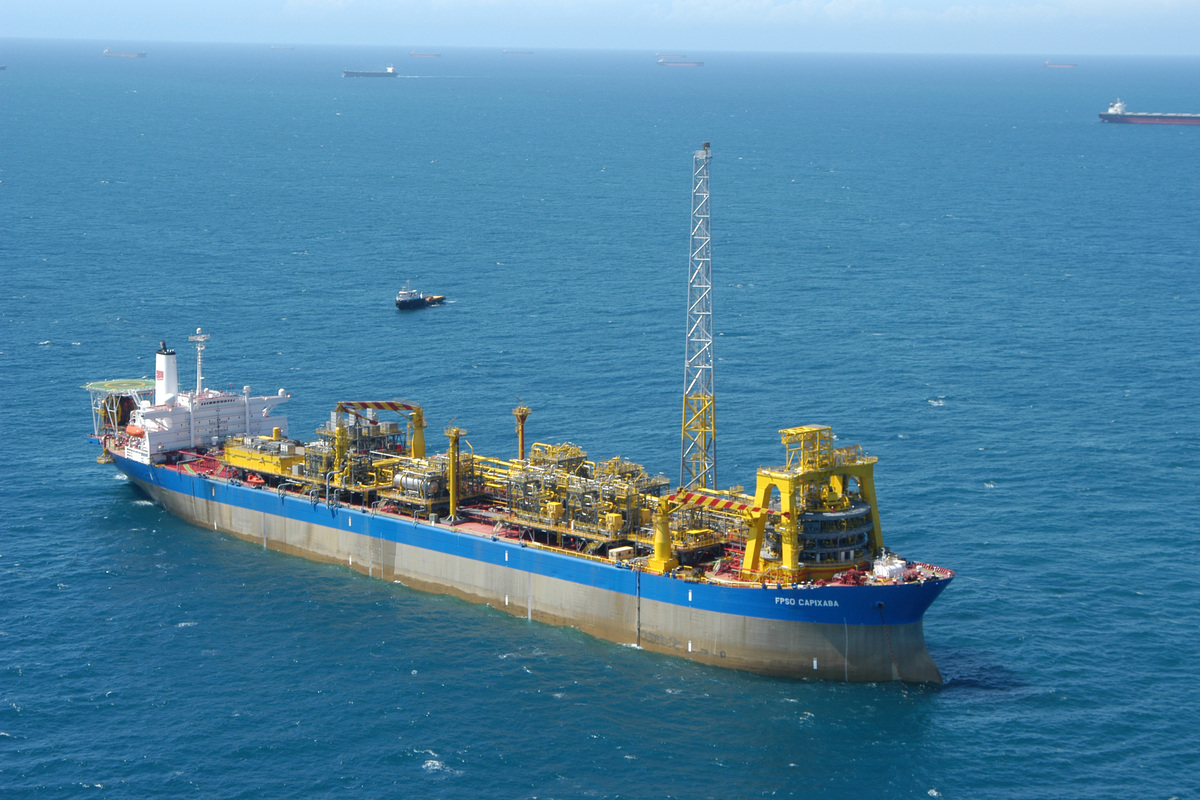
Espírito Santo Started 2023 with Positive Results in Its Industry, Growing 18.6% in January, Compared to the Previous Month.
This increase is attributed to the strong performance of the extractive industry, which has been recording a rise in the production of oil and natural gas. According to the National Agency of Petroleum, oil production grew by 31.9% and natural gas production by 20.4% during this period.
However, in the comparison of January 2023 with the same month in 2022, the overall capixaba industry declined by 6.5%, particularly in the extractive and manufacturing industries. All activities showed a decrease in this year-on-year comparison. Nevertheless, there was growth in the production of certain products within these capixaba industrial activities, such as the pelletization of iron ore, production of beef and coconut milk, and productive advances in steel billets and blocks, as well as flexible iron and steel tubes.
For this year, the market expects a rise in the prices of metal and energy commodities, especially from the second half of the year. In the accumulated data over 12 months, the Espírito Santo industry contracted by 9.7%, influenced by the lower production in the extractive industry, food products, non-metallic minerals products, and metallurgy. On the other hand, the production of pulp, paper, and paper products advanced by 4.4% during this period, benefiting from global demand for short and long fiber.
-
Oil production grows in Rio, but reserve replacement raises a warning sign

-
Petrobras is expected to complete the drilling of the Morpho well in the Foz do Amazonas in August 2026, the first well in the Equatorial Margin, an oil frontier that the ANP estimates at more than 30 billion barrels and could redraw the map of Brazil.

-
Oil returns to the center of concerns with tension between the US and Iran

-
IEA reduces forecast for global oil demand in 2026 after impacts of the Middle East crisis



Additionally, the first research of the year brought news with the revision of its methodology. In the case of Espírito Santo, IBGE reduced the number of products it analyzes, from 30 to 29. The update increased the weight of the extractive industry and reduced that of the manufacturing industry in determining the overall industry results.
Impact of Oil and Gas on the Capixaba Industry
The oil and gas sector plays a fundamental role in the economy of Espírito Santo. The state is the fourth largest oil producer in the country, responsible for about 13% of national production, and 32% of natural gas production. The production chain of these sectors is very important for generating jobs and income, as well as for increasing the state’s exports.
According to Cris Samorini, president of Findes, the valuation of metal and energy commodity prices benefits the production and industrial exports of Espírito Santo. Moreover, oil prices are already on a recovery path and are expected to accelerate further from the middle of this year, which increases the value of our exports.
Challenges of the Capixaba Industry
Despite the strong performance of the extractive industry, which has been boosting the capixaba industry in recent months, there are still challenges to be overcome for the industry to grow sustainably. One of the main challenges is the qualification of the workforce, which is essential for technological development and competitiveness.
Another challenge is the modernization of the state’s infrastructure, crucial for attracting new investments and improving the logistics of industrial production. Additionally, it is necessary to encourage innovation and entrepreneurship in the industrial sector so that companies can adapt to market changes and develop higher value-added products and services.
Oil and gas play a fundamental role in the capixaba industry and economy, being responsible for a large part of the positive results recorded in recent months. However, challenges must be overcome for the industry to grow sustainably and adapt to market changes. The qualification of the workforce, modernization of infrastructure, and encouragement of innovation and entrepreneurship are some of the necessary measures to promote the development of the capixaba industry.





Be the first to react!