Portuguese
  Spanish




Oil Production in RN Reaches Lowest Level in Decades, Reducing Public Revenues and Impacting Jobs in the State. Understand the Effects on the Economy and the Outlook for the Sector.
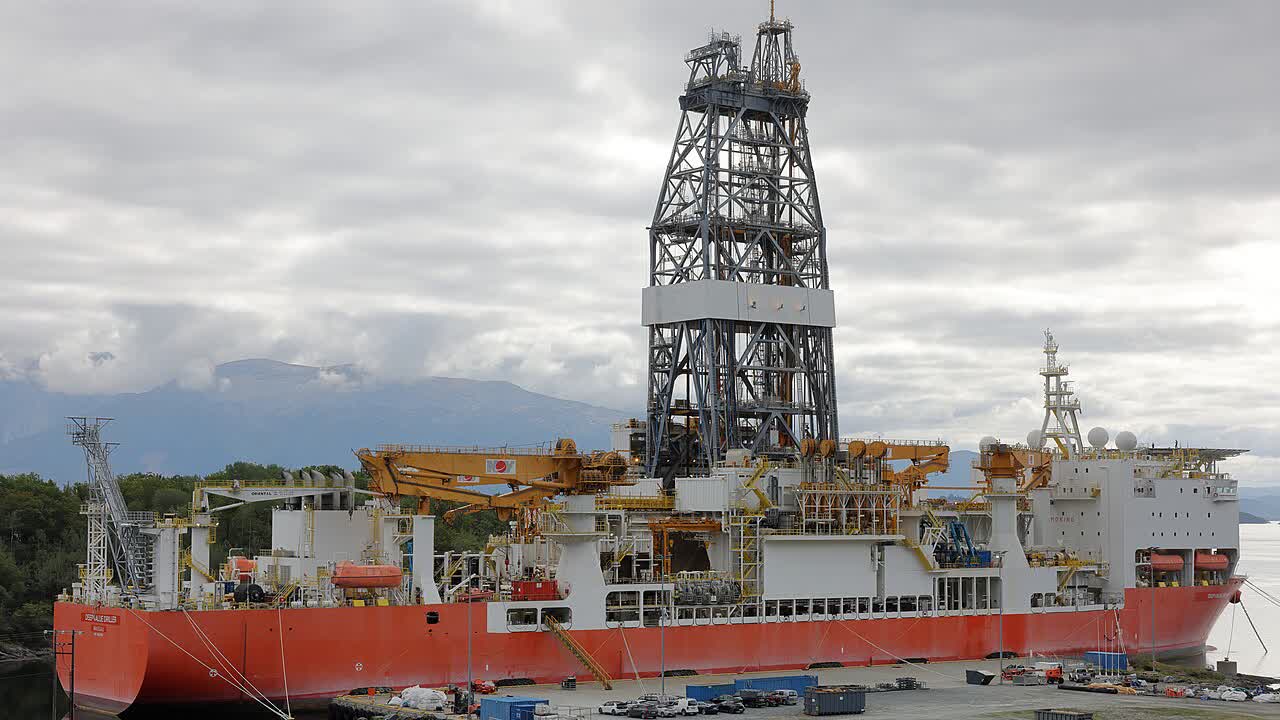
The oil production in RN reached, in December 2025, the lowest level in the last four decades. The data is from the National Agency of Oil, Natural Gas and Biofuels and indicates that the daily average stood at 33 thousand barrels, a level not seen since the 1980s. In October of the same year, production was 36 thousand barrels per day. Ten years ago, according to the regulatory agency itself, the volume extracted in the state was almost double the current amount.
According to an article published by G1 on Friday (20), the scenario raises an alarm in Rio Grande do Norte, where the sector has a strategic weight in the state’s economy. The reduction in production volume pressures public revenue, affects royalties, and generates uncertainty about direct and indirect jobs. Producing municipalities are already feeling the effects of the downturn. The combination of falling production and a decline in international barrel prices at the end of 2025 intensified the fiscal impacts. For a state whose industrial base heavily relies on the energy sector, the moment is considered delicate.
Oil Production in RN Declines to Lowest Level in Four Decades
The consolidated data from the ANP shows that the oil extracted in RN closed December 2025 with an average of 33 thousand barrels per day. The figure represents a significant drop compared to the 36 thousand barrels per day recorded in October.
-
Qantas and Airbus Invest in Company Aiming to Convert Unsorted Household Trash into Jet Fuel

-
Brazil’s ANP Opens 86 New Oil Blocks in the Equatorial Margin, Expanding the Amazon River Mouth Frontier

-
OPEC+ Boosts Oil Supply by 188,000 Barrels per Day in July 2026, Leading to Price Drop from $112 to $89 per Barrel in Under Two Months

-
TotalEnergies Signs 20-Year Deal to Purchase 2 Million Tons of LNG from Alaska, Boosting Project Viability

When compared to the performance ten years ago, the decline is even more pronounced. At that time, the production in Rio Grande do Norte was almost double the current level, highlighting a gradual decline process.
Experts point out that part of this reduction is linked to the structural change in the profile of the operators. Petrobras’ exit from onshore and shallow water fields opened the door for smaller private companies to take over the exploration. This transition altered the investment pace and operational strategy in the state.
The Sindipetro-RN evaluates that the decline is directly related to the lack of sufficient investments from the current major producers. According to the president of the entity, Marcos Brasil, if adequate investment is made in the 33 blocks offered by the ANP, production could reach between 70 thousand and 80 thousand barrels per day.
Mature Fields Require Expensive Technology and Challenge the Economy of Rio Grande do Norte
The Rio Grande do Norte is characterized by mature oil fields, which have been explored for decades. In these areas, the natural decline in production is inevitable, requiring advanced recovery techniques to maintain economic viability.
In some wells, according to industry experts, production already reaches 98% water, leaving only 2% of oil effectively extracted. Even so, the operation may remain viable, depending on costs and the international barrel price.
This technical profile imposes additional challenges on RN. The need for more complex technologies raises costs and reduces profit margins for companies. At the same time, lower productivity directly impacts the state’s economy.
Jean-Paul Prates, chairman of the Center for Strategies in Natural Resources and Energy, explained that the decline in production, combined with the drop in international oil prices at the end of 2025, affected the state government’s and producing municipalities’ budgets. He emphasized that the sector represents about half of the state’s industrial GDP and that the accumulated losses of around 11.5% in 2025 reflect this adverse scenario.
Oil, Revenue, and Jobs in RN: Direct Impact on Producing Municipalities
The weight of oil in the economy of RN is significant. According to the Federation of Industries of the State of Rio Grande do Norte, the sector accounts for over 40% of the state’s industrial GDP.
When production drops, royalty revenue diminishes. This directly affects municipalities like Mossoró, Macau, and Guamaré, where oil activity fuels commerce, sustains service chains, and guarantees thousands of jobs.
The downturn also impacts outsourced companies, transporters, equipment suppliers, and specialized service providers. The multiplier effect is immediate. Less production means less income circulation and lower economic dynamism.
According to Sindipetro-RN, if adequate investment is made, production could double and generate between 15 thousand and 20 thousand jobs in the state. This potential for expansion reinforces the strategic importance of the sector for Rio Grande do Norte.
Billion-Dollar Investments and the Bet on the Recovery of Oil in Rio Grande do Norte
The state government claims that approximately R$ 3 billion in investments in the sector is expected by 2030. The expectation is that these investments will strengthen the productive chain of oil in RN and stimulate technological modernization.
Companies that have taken over mature fields state that they are investing in innovation to enhance operational efficiency. One of the leading producers reported that in January 2026, it extracted about 19 thousand barrels per day and is working to reverse the natural decline of the exploited areas.
Experts also point out the possibility of exploration in the Equatorial Margin as a factor that could change the scenario in the next three to five years. Expansion into ultra-deep waters could bring new oil volumes, increase royalties, and strengthen the state’s economy.
Still, this movement depends on environmental licensing, regulatory decisions, and substantial investments. In the short term, the challenge remains focused on recovering the fields already in operation in Rio Grande do Norte.
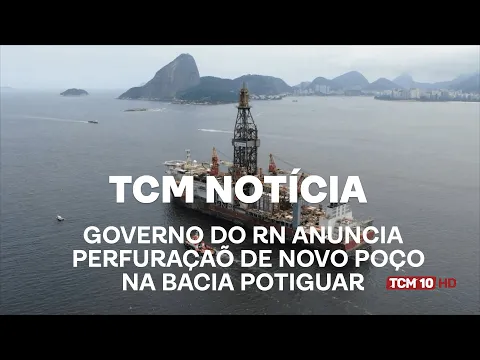

What Is at Stake for RN Given the Retraction of the Oil Sector?
The drop in oil production in RN is not just a statistical datum. It represents a turning point for the state’s economic structure. With 33 thousand barrels daily in December 2025, compared to 36 thousand recorded in October and volumes almost twice as high from ten years ago, the state faces a challenging reality.
The historical dependence on the energy sector makes the economy of Rio Grande do Norte sensitive to production and market fluctuations. The loss of revenue jeopardizes public investments, while reduced activity impacts jobs and income.
At the same time, the scenario highlights the need for strategic planning. Investments in the 33 offered blocks, technological modernization, and possible expansion into new exploratory frontiers could redefine the future of the sector.
The debate now revolves around the capacity to attract capital and ensure regulatory security. The performance of oil will continue to be decisive for RN, influencing political, business, and social decisions in the coming years.
If production can recover to levels between 70 thousand and 80 thousand barrels per day, as projected by the union, the positive impact could be significant. Otherwise, the state will need to accelerate the diversification of its economic matrix to reduce its historical dependence on the oil sector.
The moment is one of attention. The behavior of oil in Rio Grande do Norte in the coming years will define the pace of growth, fiscal stability, and the future of jobs that sustain thousands of families in the state.