






 Portuguese
  Spanish
  4 min of reading


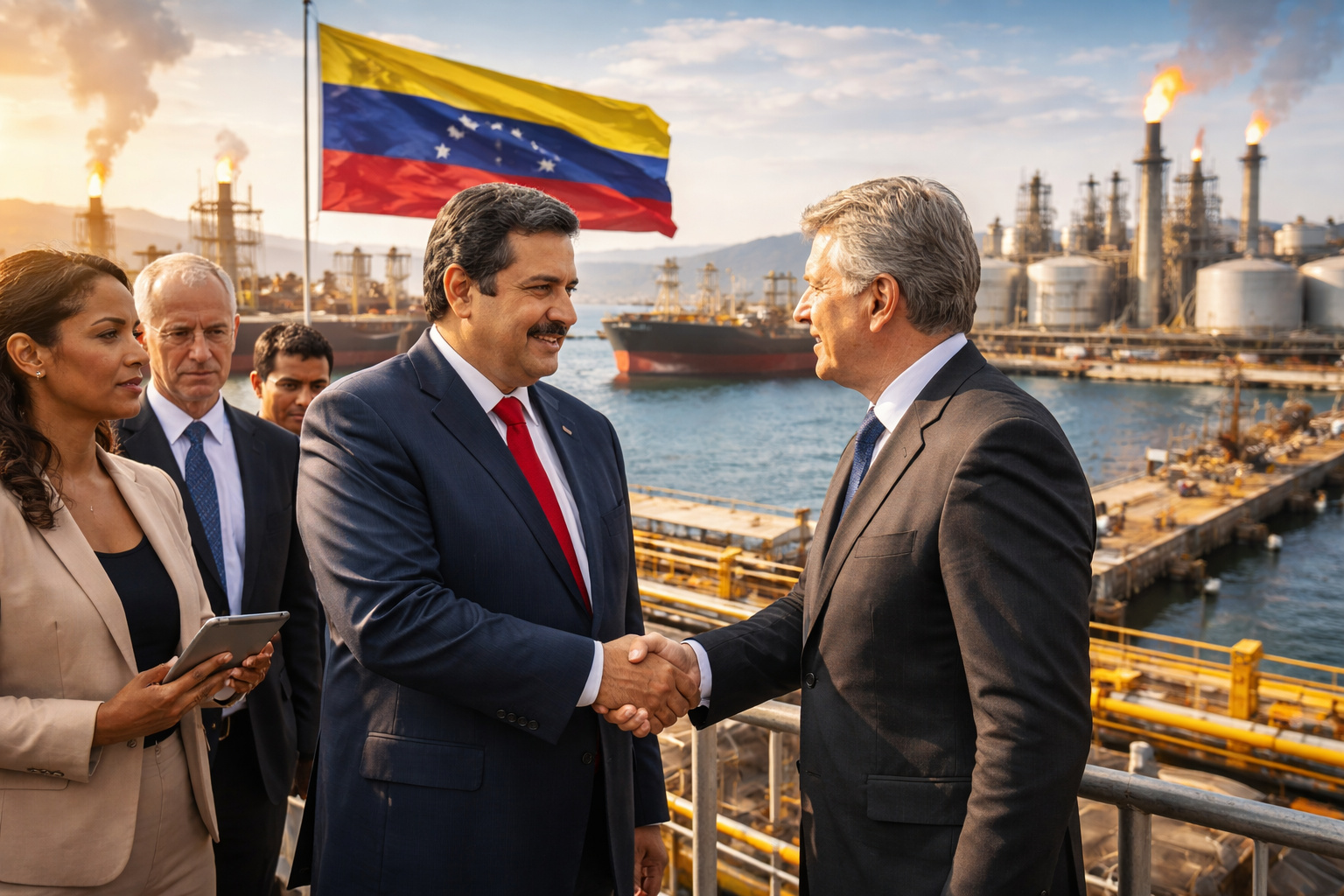
The oil has once again taken a central role in Venezuela’s diplomatic discourse. President Nicolás Maduro declared that the country is open to “seriously discussing” with the United States on strategic issues, including energy, migration, and the fight against drug trafficking. The declaration came a day after new bombings in the region, adding complexity to the international political scenario.
From the outset, Maduro’s statement draws attention for occurring amid a moment of increasing geopolitical instability. As conflicts intensify in different regions of the world, oil remains one of the main strategic assets in relations between states and economic blocs. Thus, any sign of dialogue between Venezuela and the United States gains immediate relevance for the international market.
Moreover, the tone adopted by the Venezuelan president suggests an attempt at diplomatic repositioning. By explicitly mentioning sensitive issues, Maduro indicates a willingness to address matters that have historically been at the center of bilateral tensions.
-
Oil production grows in Rio, but reserve replacement raises a warning sign

-
Petrobras is expected to complete the drilling of the Morpho well in the Foz do Amazonas in August 2026, the first well in the Equatorial Margin, an oil frontier that the ANP estimates at more than 30 billion barrels and could redraw the map of Brazil.

-
Oil returns to the center of concerns with tension between the US and Iran

-
IEA reduces forecast for global oil demand in 2026 after impacts of the Middle East crisis
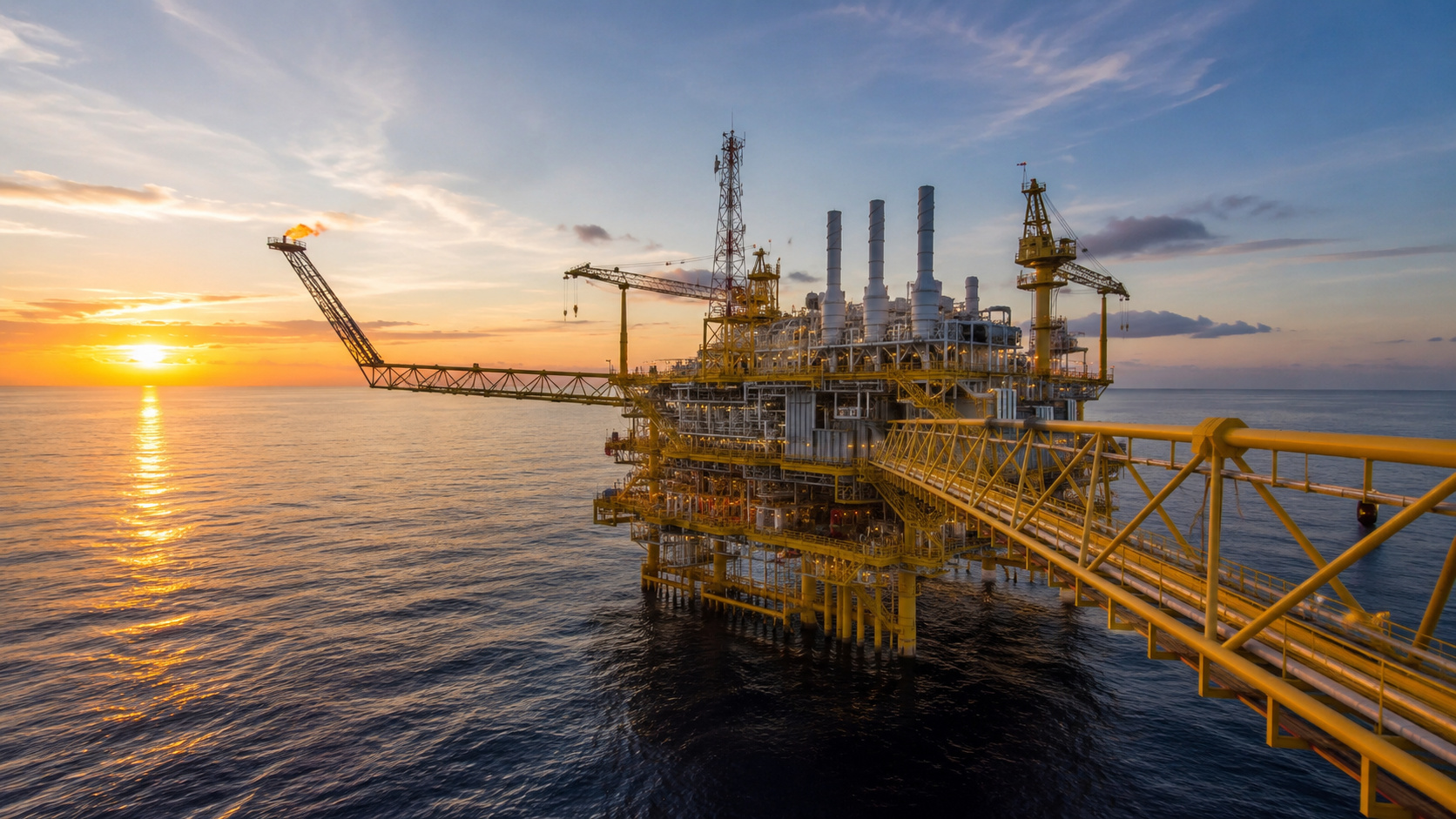


Oil as a Historic Axis of Bilateral Relations
Historically, oil has always structured the relationship between Venezuela and the United States. For decades, the South American country was one of the main oil suppliers to the North American market. However, internal political changes and the imposition of sanctions have profoundly altered this flow.
According to data from international energy organizations, Venezuelan exports experienced a sharp contraction from the second half of the 2010s. Still, oil continued to be the main pillar of the country’s economy and an instrument of external negotiation.
Therefore, by proposing dialogue on energy, Maduro recaptures a historical logic. Oil is once again presented not just as a commodity, but as a diplomatic tool capable of opening broader negotiation channels.
Thus, the declaration suggests that Venezuela seeks to utilize its natural resources as a basis for a gradual rapprochement.
Migration and Drug Trafficking Enter the Agenda
In addition to oil, Maduro included migration and the fight against drug trafficking as central themes of the possible dialogue. This choice is not coincidental. In recent years, Venezuelan migration has become one of the major regional challenges, affecting countries in Latin America and also the United States.
At the same time, the fight against drug trafficking is a recurring theme in U.S. foreign policy. By putting this issue on the table, the Venezuelan government signals a willingness to cooperate in areas of security, which are traditionally marked by mutual distrust.
In this way, the discourse seeks to broaden the scope of the conversation. Instead of limiting dialogue to oil, Maduro proposes a more comprehensive agenda, capable of generating common interests between the two countries.
Consequently, the proposal can be interpreted as an attempt to reduce Venezuela’s diplomatic isolation.
The Geopolitical Context of the Statements
The Venezuelan president’s comments occur in a sensitive international environment. According to information released by international agencies, the statement was made a day after new bombings in the region, which increases the perception of global risk.
In this scenario, oil gains even more weight. Whenever conflicts intensify, the market begins to price risks of supply, logistics, and sanctions. Thus, any sign of negotiation between relevant producers and major consumers tends to reverberate quickly.
Furthermore, the United States remains attentive to energy security. Even with the advancement of renewable sources, oil remains essential for strategic sectors of the U.S. economy.
Therefore, the moment chosen by Maduro reinforces the reading that Venezuela seeks to reinsert itself into the global geopolitical landscape.
Limits and Challenges of the Proposed Dialogue
Despite the conciliatory tone, the path to effective dialogue remains fraught with obstacles. The economic sanctions imposed on Venezuela, political divergences, and accumulated distrust over the years do not vanish with a single statement.
Moreover, any progress will depend on institutional decisions and multilateral negotiations. According to international political analysts, the resumption of diplomatic channels requires concrete commitments and clear signs of change.
Still, Maduro’s discourse represents a significant inflection. At least rhetorically, the Venezuelan government acknowledges the need for dialogue on strategic issues.
Thus, even without guarantees of immediate results, the proposal opens up space for new interpretations about the future of bilateral relations.
Oil as a Starting Point for a Reconfiguration
Throughout history, oil has often served as a starting point for diplomatic rapprochements. In the case of Venezuela, this logic remains valid. The country holds one of the largest reserves in the world and, despite production difficulties, maintains significant strategic potential.
For this reason, by placing oil at the center of the conversation, Maduro bets on an asset that remains relevant for the global economy. At the same time, by associating the issue with migration and security, he broadens the proposal’s scope.
In this way, oil once again assumes the role of political mediator, connecting economic, social, and geopolitical interests.
In an international landscape marked by tensions and uncertainties, the signaling of dialogue, albeit initial, indicates that Venezuela seeks to reposition itself. It remains to be seen whether this willingness will find reciprocity and whether oil, once again, will serve as a bridge to a new phase in relations between Caracas and Washington.






Be the first to react!