






 Portuguese
  Spanish


What started as a homemade and somewhat ridiculous solution to a trivial problem became one of the best-selling accessories in the world, proving that a billion-dollar idea sometimes arises from everyday irritation
The cell phone holder that David Barnett created is proof that big businesses can sprout from small and annoying problems. A philosophy professor, tired of untangling earphones, glued two buttons to the back of the phone, and this makeshift solution turned into PopSockets, a global sales phenomenon.
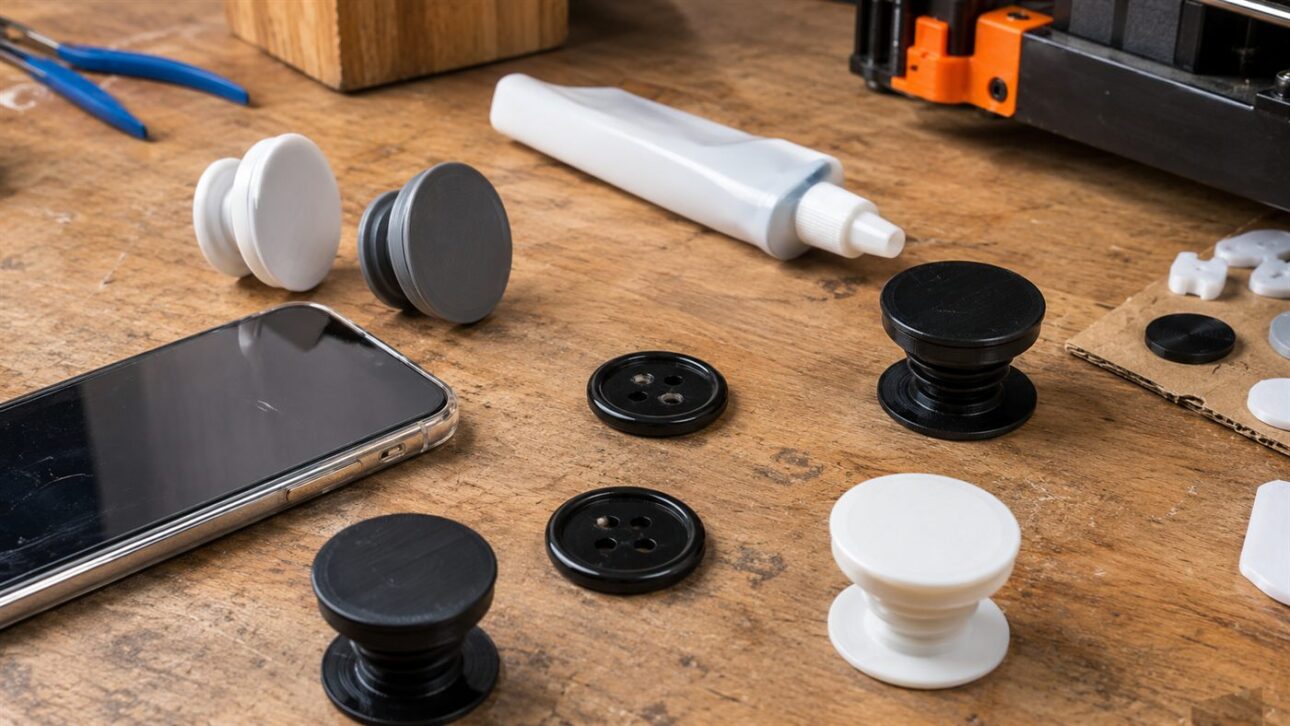
The detail that makes the story seem unlikely is the crude origin of the idea. No high-tech laboratory: the starting point was cabinet buttons bought at a haberdashery, glued to the back of an old iPhone.
From Cabinet Buttons to a Business Idea
The spark came from a common irritation. According to Forbes, Barnett was tired of his iPhone 3G earphones getting tangled and went to a fabric and haberdashery store looking for a solution.
-
15-year-old Brazilian builds batteries, generators, and a community radio from scrap, becomes youngest guest at MIT’s historic program

-
The Unseen Chemical Spectacle Inside Batteries Powering Millions of Devices Daily

-
ArcelorMittal Builds €200 Million Plant in Belgium Where Bacteria Convert Blast Furnace Gas into 80 Million Liters of Ethanol Annually

-
Lake Mead, a crucial water source for parts of the United States, faces critical conditions by 2026 with mandatory cuts, declining volume, and increased pressure on the Colorado River.


The initial makeshift solution was extremely simple. According to ColoradoBiz, he bought two black buttons of 3.8 centimeters, glued them to the back of the device, and began wrapping the earphone around them, solving the problem by force.
The result was immediate and personal. According to Forbes, he never had tangled earphones again after wrapping them around the two buttons, and the homemade solution stuck. There it was, unnoticed by anyone, the embryo of a business.
How the Makeshift Solution Became a Product
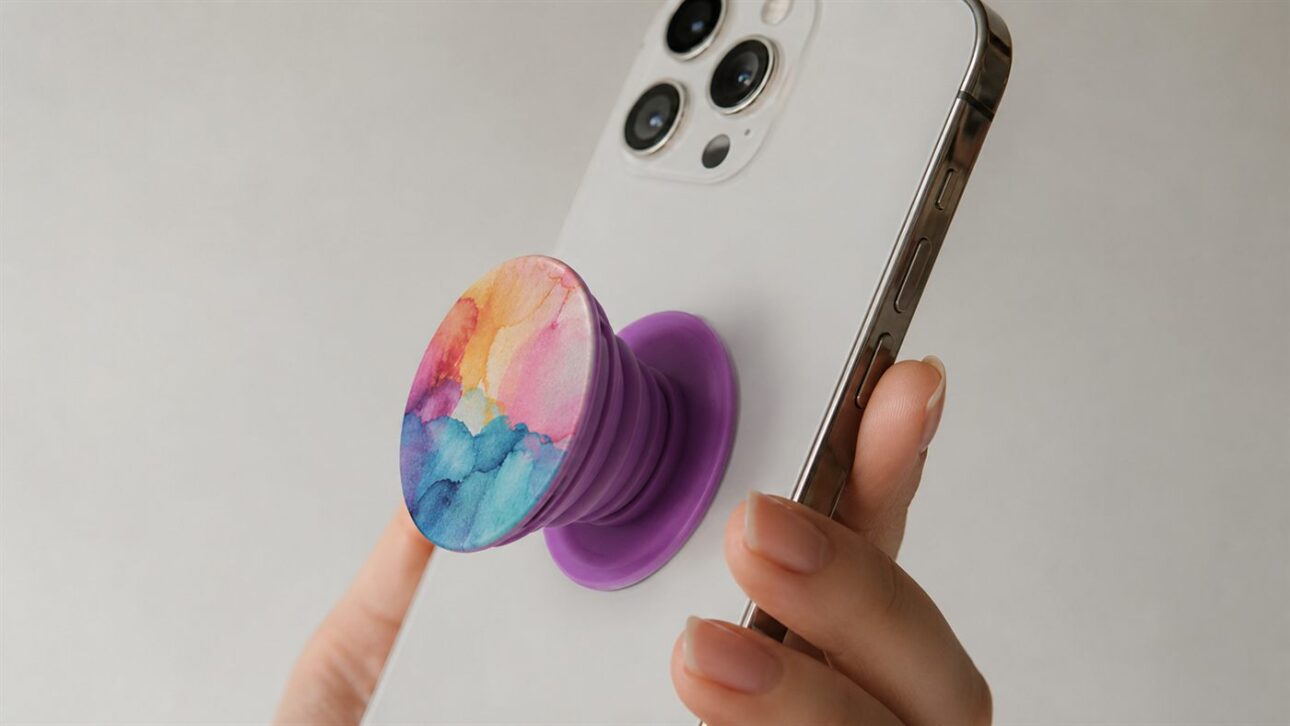
Turning the buttons into an invention took work. According to ColoradoBiz, Barnett developed an accordion-shaped mechanism that expands and contracts, even using kitchen funnels to model the idea, and then taught himself to use 3D modeling software.
The path to the final product was long. According to Forbes, he created the accordion design over months, taught himself CAD drawing, and made up to 60 prototypes over 15 months until he got it right.
The invention ended up being protected by a patent. According to ColoradoBiz, he patented the accordion functionality, which turned a copyable idea into a market advantage. The makeshift solution became intellectual property.
From 30 Thousand to Tens of Millions of Units
The numbers tell the explosion. According to Forbes, in the first year of sales, in 2014, the company sold 30 thousand units of the phone holder and earned about 240 thousand dollars, a modest start.
The next leap was steep. According to ColoradoBiz, sales jumped to 300 thousand units in 2015, after a deal with a major telecom operator. According to Forbes, in a following year, the company was already selling 35 million units, distributed across 40 countries.
The accumulation impresses. According to ColoradoBiz, the brand had already sold 45 million units by then, with projections of tens of millions more in the following year. From a dozen glued buttons to millions of pieces worldwide.
The Fire, the Garage, and the Insurance Money
The journey had heavy setbacks. According to ColoradoBiz, Barnett lost his house in a wildfire in 2010 and ended up investing the insurance money in his own business.
The financing followed unlikely paths. According to ColoradoBiz, between 2014 and 2015 he raised about 500 thousand dollars with friends, family, and fans, and never accepted institutional investment, maintaining control of what he created.
The cradle of the operation was humble. According to ColoradoBiz, the company actually started operating from a garage in Boulder, Colorado, and became profitable without relying on large funds. The phone holder empire was born in the home garage.
Why a Cheap Object Becomes a Phenomenon
The secret to success lies in the simplicity of the product. According to Forbes, Barnett himself summarized the logic: the piece is small, cheap to manufacture, cheap to ship, and customizable, an ideal combination for scale.
This customization turned into embedded marketing. According to Forbes, he compared the accessories to small billboards that a person carries everywhere, as each printed holder becomes a walking advertisement. The product sells and, at the same time, promotes itself.
Interestingly, the business wasn’t even the plan. According to Forbes, Barnett stated that he originally did not intend to commercialize the invention, which reinforces how chance and persistence together created the opportunity.
The professor who became CEO
The career shift was radical. According to ColoradoBiz, Barnett, with a doctorate in philosophy and years in the classroom, left academia to run the startup full-time.
The growth required structure. According to ColoradoBiz, what started with him alone turned into a team of nearly 150 people, headquartered in Boulder and with offices around the world. From solitary professor to head of a global operation.
This leap sums up the management lesson. Turning a good idea into a lasting business required learning design, production, hiring, and logistics, skills far removed from the philosophy he taught.
Why a phone holder teaches about creativity
The story of PopSockets shows that opportunity doesn’t only reside in great insights but also in the small irritations everyone ignores. A phone holder born from two buttons turned into a million-dollar business because someone decided to take a silly annoyance seriously.
Here’s the more provocative lesson. If untangling an earphone can become a global company, how many valuable ideas are hidden in the daily annoyances we solve with makeshift solutions and forget? What often separates a makeshift solution from a business is just the courage to persist.
And here’s the question for you: when was the last time you improvised a homemade solution for an annoying problem, without imagining that it could be the start of something big?


