Portuguese
  Spanish


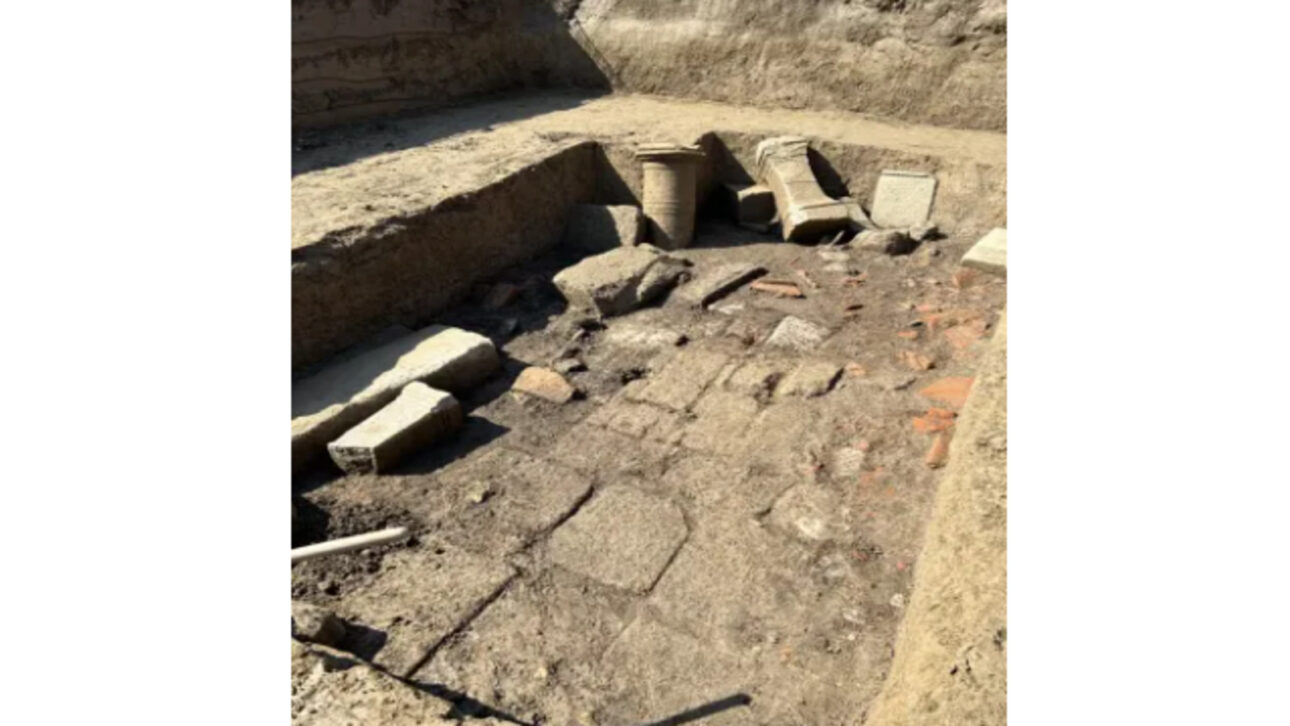
Discovery in Ponso occurred during road construction between Borgo Veneto and Carceri and revealed temple structures, inscribed stones, column fragments, and evidence of historical continuity
A highway construction project in northeastern Italy led to the unexpected discovery of an ancient sanctuary, dating back to the 5th century BC, in Ponso, about 72 kilometers from Venice. The find revealed monumental temples, inscriptions in an ancient regional language, and evidence that the site remained in use during the Roman period, transforming a road intervention into an important archaeological investigation.
Facebook/Soprintendenza ABAP for the province of Padua, Treviso, and Belluno
Discovery occurred during the construction of a new road
The archaeological site was found while teams from Veneto Strade SpA were working on the construction of a new road link between Borgo Veneto and Carceri.
Before the advancement of the works, the workers were conducting operations to deactivate munitions remaining from conflicts when they located the first ancient artifacts.
-
Scientists Discover Over 600 Meteorite Glass Fragments in Northern Brazil, Evidence of a 6.3-Million-Year-Old Cosmic Impact with Unfound Crater

-
Philosophy Student Invents Self-Moving Wheelchair Controlled by Body Weight Using Pressure Sensors

-
Every Late September, Pilots Flock to Remote Northern Australia to Surf the Morning Glory Cloud Phenomenon
-
Switzerland Maps Light Patterns to Track Snowmelt and Forest Microclimates with 10-Meter Precision


The discovery led to the involvement of the Italian Superintendency of Archaeology, Fine Arts, and Landscape, which officially announced the find on May 19 of this year.
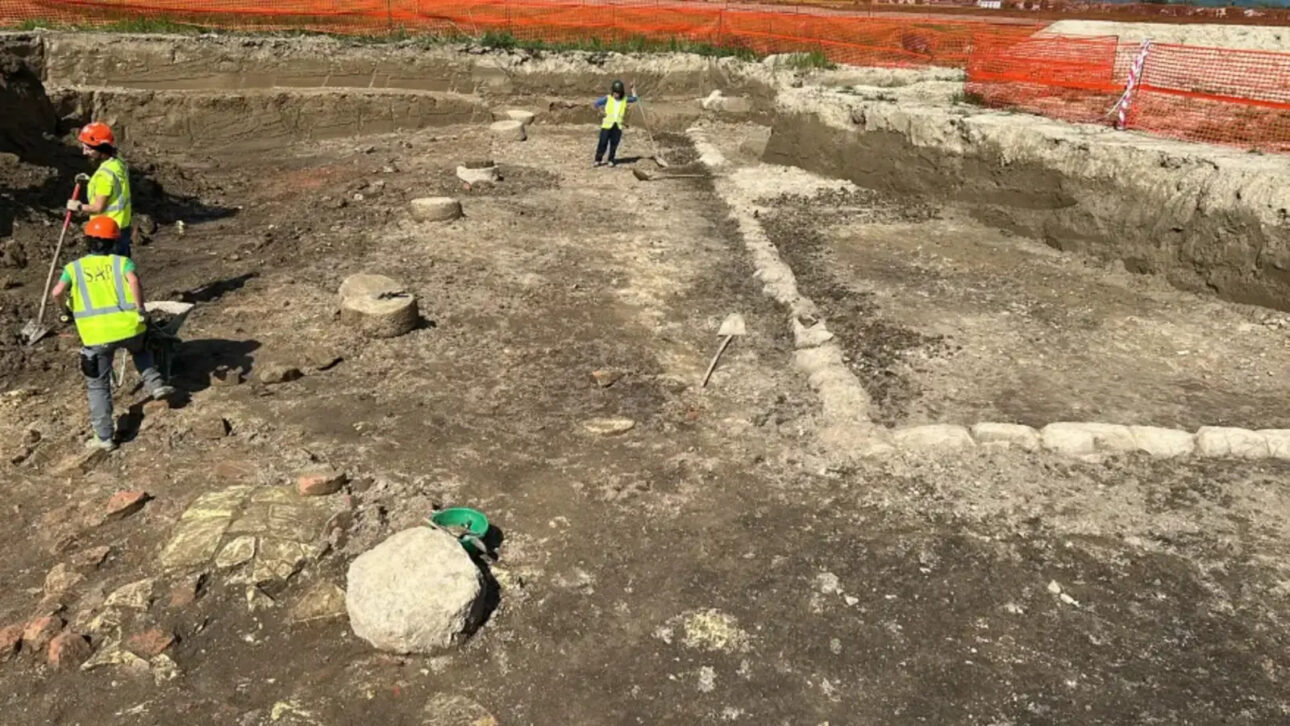
The excavations revealed large foundation structures, identified by archaeologists as temples belonging to an ancient religious complex.
Facebook/Soprintendenza ABAP for the province of Padua, Treviso, and Belluno
Temples and inscriptions help reconstruct the history of the site
Among the identified constructions, one drew attention for having characteristics of a peripteral temple, surrounded by a row of columns on all sides.
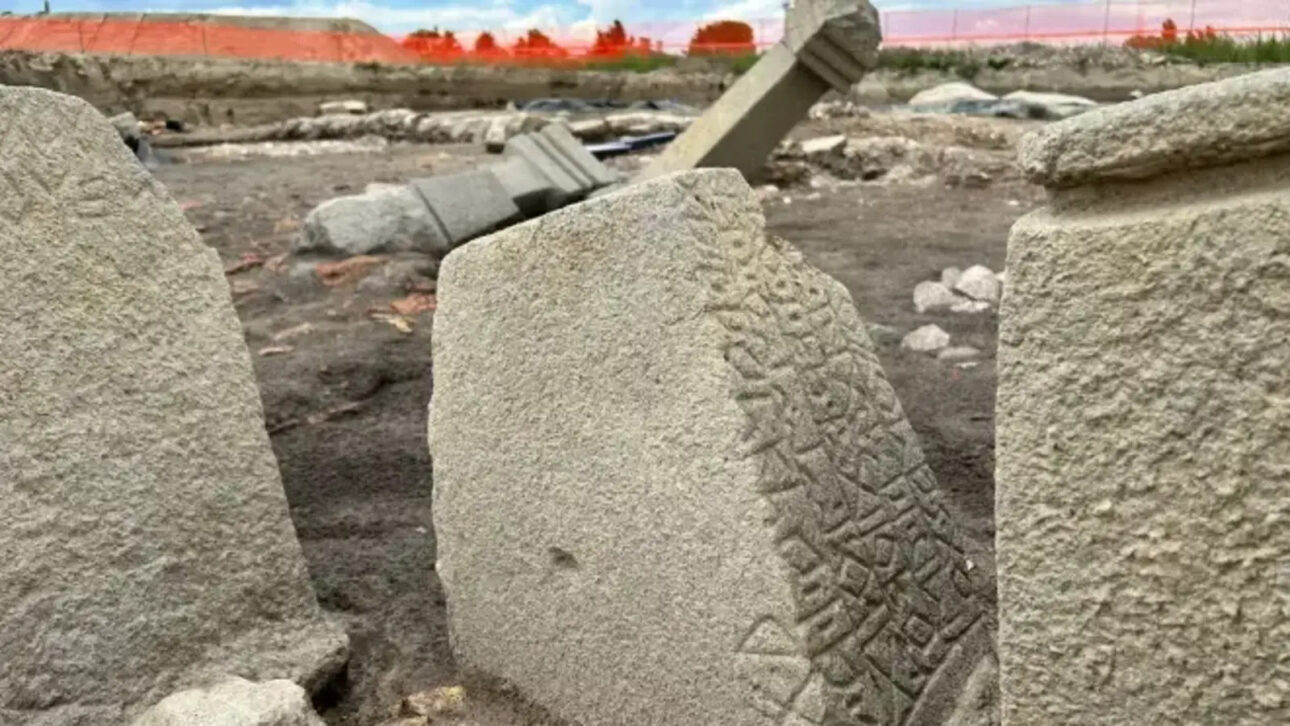
In addition to the structures, researchers found stone blocks, column fragments, and various ancient inscriptions.
Some are written in Latin, while many use the Venetic script, the language used by the Veneti people before the Roman conquest.
According to authorities, some of these stones seem to have been reused later in a pavement whose function has not yet been determined. Others remain in their original positions within the complex.
Some inscriptions have a votive character, indicating they were intended for religious practices.
Facebook/Soprintendenza ABAP for the province of Padua, Treviso, and Belluno
Site remained important during the Roman period
Initial analyses indicate that the sanctuary was not abandoned after its earliest phase.
According to archaeologists, the pavement identified at the site seems to have been constructed during the 1st century AD, demonstrating that the area continued to be used even after cultural changes occurred with the Roman presence.
Authorities state that the evidence suggests a continuous process of use and transformation of the space, rather than a complete abandonment.
The site would have maintained importance during the Roman period, although with structures and cultural forms different from those previously existing.
Researchers also believe that a branch of the Adige River flooded the region at some point in antiquity.
Italy expands list of archaeological discoveries
Investigations in Ponso are ongoing and may reveal new structures of the religious complex.
The discovery is part of a recent sequence of important archaeological finds in Italy. Last year, archaeologists located an extensive Iron Age necropolis in Trento, with burials nearly 3,000 years old.
This article was prepared based on information from the Italian Superintendency of Archaeology, Fine Arts, and Landscape, with data, numbers, and statements preserved according to the material consulted.