






 Portuguese
  Spanish
  3 min of reading
  0 comments


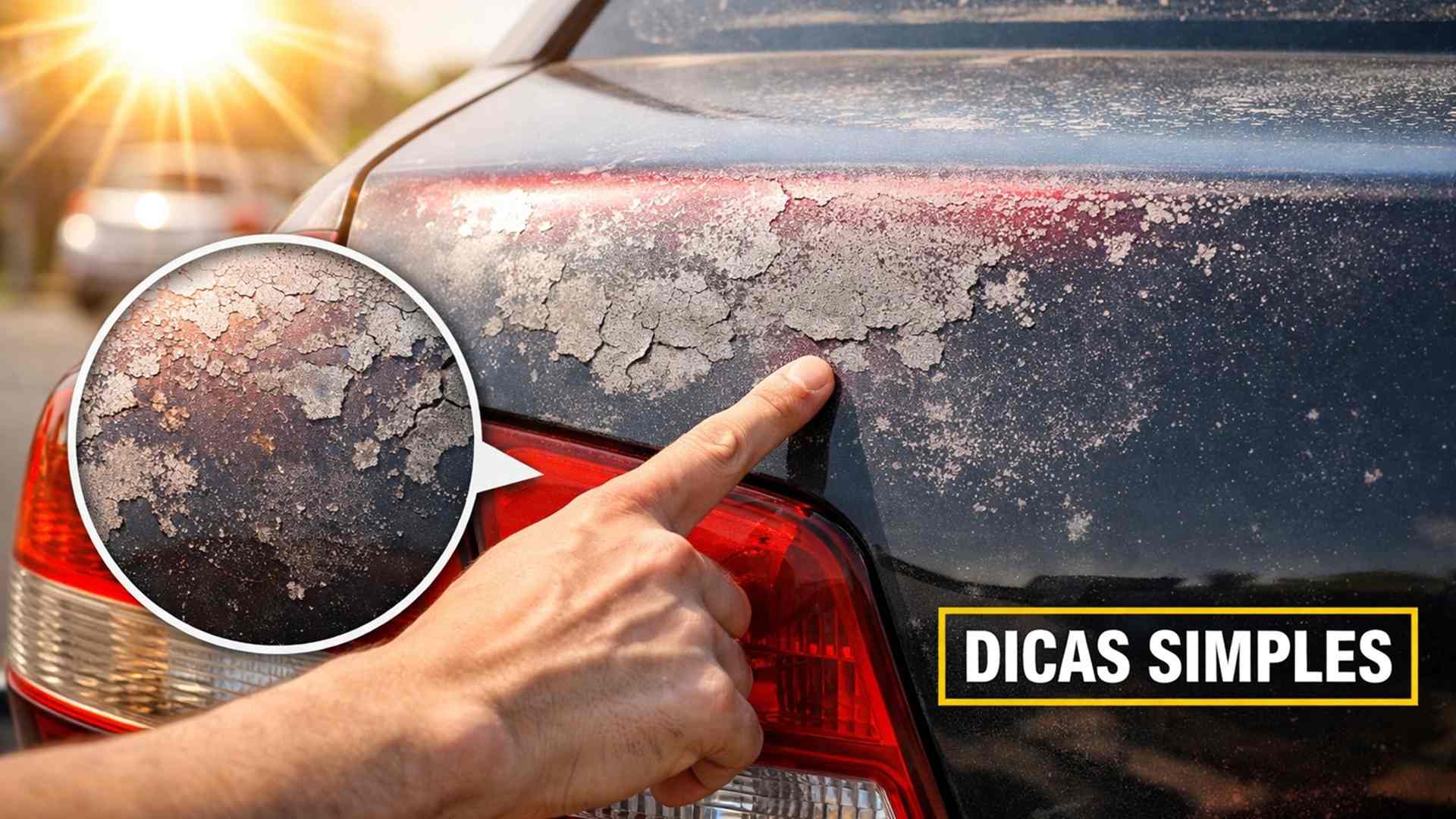
Burnt paint is a common problem in cars exposed to the sun for long periods and can cause loss of shine, color change, stains, and even damage to the varnish, compromising the appearance of the vehicle and reducing its market value over time
Burnt paint is a recurring problem in vehicles frequently exposed to the sun. The wear primarily occurs in the varnish and, without proper maintenance, can alter the car’s appearance and also affect the vehicle’s market value.
What Characterizes Burnt Paint
Burnt paint results from the combination of prolonged exposure to the sun, intense heat, and lack of adequate protection on the automotive surface. Over time, these factors cause gradual deterioration of the varnish layer responsible for protecting the paint.
This process can lead to loss of shine, changes in color tone, and even more severe damage to the exterior paint layer. In advanced situations, the varnish may show significant wear and compromise the overall appearance of the bodywork.
-
BYD Dolphin Mini: The Electric Car That Defies Depreciation, Losing Only 3.58% in a Year and Becoming the Best-Selling Retail Model Under $22,000

-
Electric Car JAC E-JS4 Loses $19,000 in Value in One Year, Leading Record Depreciation of Used Cars in Brazil Due to Expensive Battery and New Models
-
Used Civic and Corolla have been stuck in stock for months. “People are preferring Chinese cars,” says the car dealership owner.

-
Toyota Sienna becomes a “VIP lounge on wheels” in Brazil after receiving a Chinese luxury kit, seats with massage, Starlink, refrigerator, and a 245 hp hybrid engine, targeting high-income families, artists, and executive transport in an almost million-dollar van.


Burnt paint occurs when the paint suffers severe damage due to excessive sun, intense heat, and a lack of adequate protection over time.
This process causes significant loss of shine, faded color, and a rough appearance on the surface. In more severe cases, there may even be peeling of the varnish, characterizing an advanced stage of burnt paint.
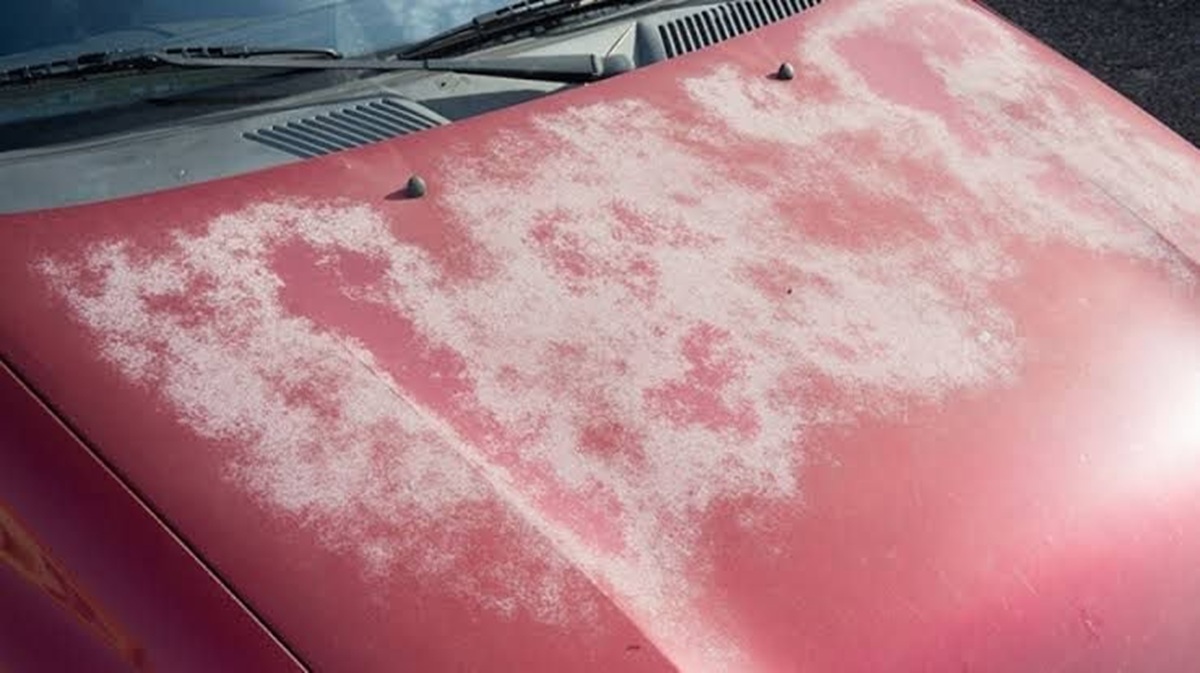
How to Identify Signs of Burnt Paint
The first signs of burnt paint usually appear discreetly and often go unnoticed by the driver. The gradual loss of shine is usually the most common indicator that the wear process is beginning.
As the problem progresses, the paint may appear dull and show subtle changes in the original color tone. In some cases, the surface may become whitish or display stains that do not disappear during vehicle washing.
These initial signs are often ignored because they appear progressively. Loss of shine appears first, followed by changes in color and the presence of stains that do not correspond to common dirt.
However, not every loss of shine necessarily indicates burnt paint. Problems related to inadequate maintenance or failures in repainting processes can also produce similar symptoms on the automotive surface.
Habits That Contribute to Paint Damage
Some habits adopted by drivers can accelerate the wear of the vehicle’s paint. These include washing the car in strong sunlight, using household products like detergent, and using inappropriate cloths during cleaning.
These practices can compromise the paint finish over time, leading to the emergence of scratches and wear of the varnish layer. The accumulation of these damages contributes to the deterioration of the automotive surface.
Simple care during parking and cleaning the vehicle is recommended. It is advisable to avoid removing dust and dirt with a dry cloth, as this practice can cause scratches on the paint.
Another guideline is to avoid applying wax to a dirty car, as particles present on the surface can cause damage during the process. In addition, the specialist recommends preferring covered areas when parking and avoiding leaving the car under trees.
When Burnt Paint Can Be Recovered
The possibility of recovering burnt paint directly depends on the level of wear present on the surface. In the initial stages, when the damage is still superficial, procedures such as polishing can restore part of the original shine.
However, when the varnish is already compromised, recovering the paint becomes more complex. In these cases, the solution usually involves repainting the affected area to restore the vehicle’s finish.
Correctly diagnosing the stage of burnt paint is essential to determine the type of intervention needed. The evaluation allows identifying whether the damage is restricted to the superficial layer or if it has already affected the automotive paint varnish.




Be the first to react!