






 Portuguese
  Spanish


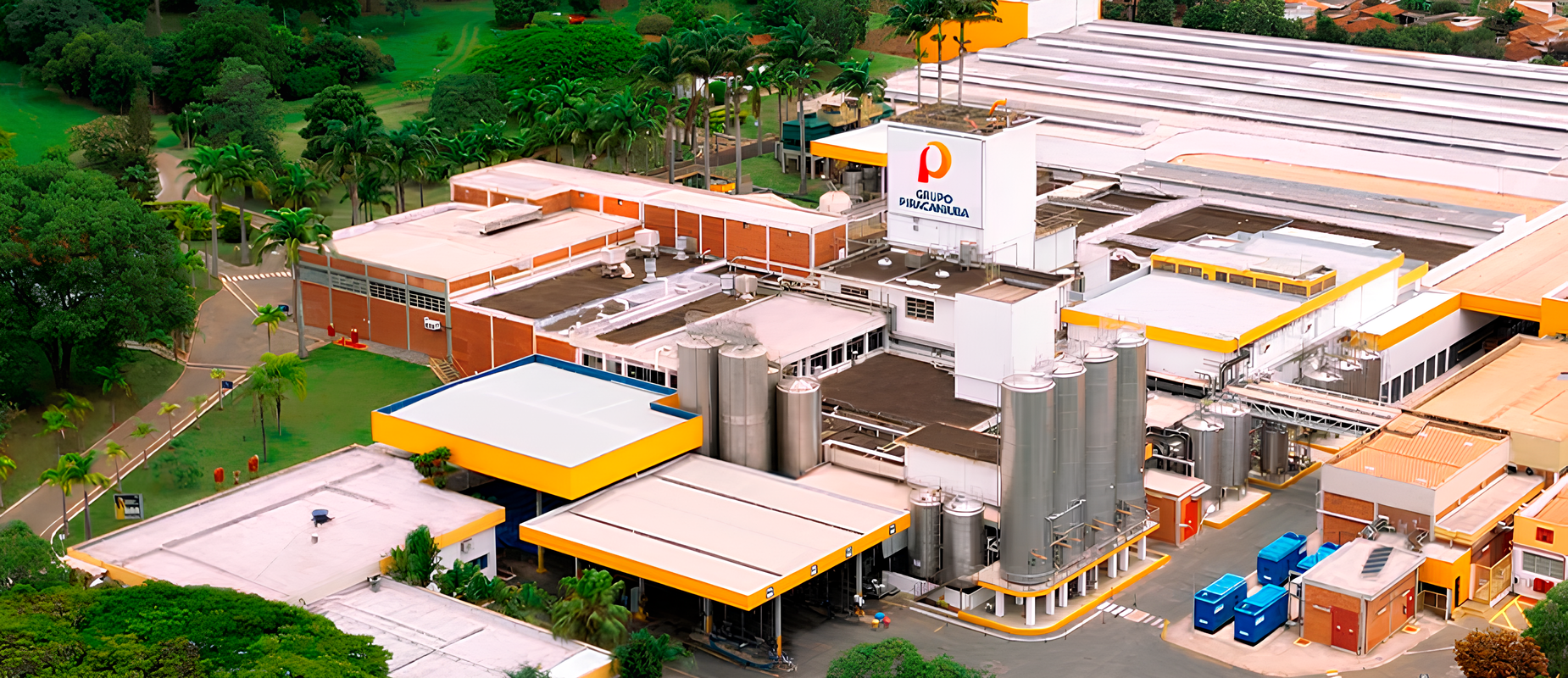


Piracanjuba Announces New Whey Protein And Dairy Factory In Paraná That Promises To Generate 250 Jobs. Check Out The Differentials Of The New Piracanjuba Factory In Brazil.
The Piracanjuba Group has taken an important step in the dairy and supplementation market. With financing of R$ 499 million from BNDES, the company will build its new whey protein and dairy factory in São Jorge d’Oeste, Paraná. The total investment in the new Piracanjuba factory is R$ 612 million.
Understand The Initiative Of The New Whey Protein And Dairy Factory
The move by Piracanjuba’s new factory is strategic. Currently, about 85% of the whey protein consumed in Brazil is imported, according to government data. With the new unit, the company aims to fill this gap and ride the wave of the sports supplements market, which generated R$ 4.3 billion in 2023 and is expected to reach R$ 9.5 billion in 2028, according to Euromonitor.
With resources from the BNDES Mais Inovação Program (R$ 277 million) and R$ 222 million through FINEM (Incentivized Line B), the new whey protein and dairy factory will have an installed production capacity of up to 39,4 thousand tons per year of mozzarella and up to 7,9 thousand tons annually of butter.
-
Brazil’s 2026 Tax Refund: Record 9.58 Million Filers in Largest Payout Ever, But a Key Detail on Priority Recipients Draws Nationwide Attention

-
Itaú Alters Hybrid Work Model, Increasing Office Days from 2028, Prompting Employees to Adjust to New Routine
-
Facing Labor Shortage, Japan Plans to Invest $34 Million to Attract Foreign Workers in Construction, Healthcare, Industry, and Commerce

-
Brazilian City Makes Remarkable Leap, Becomes 4th Wealthiest in the Country with GDP of R$ 134.1 Billion




In two attached production lines, starting from whey, a byproduct of cheese production, the company will produce up to 6 thousand tons of whey protein (concentrates and isolates) and up to 14,8 thousand tons annually of lactose powder.
The whey protein and lactose powder have a wide applicability, with use in nutrition (supplemental and hospital feeding), in pharmaceuticals, and in cosmetics, among others, as well as adding significant value to the national dairy chain, a segment where Brazil ranks third as the largest global milk producer.
New Piracanjuba Factory Promises To Generate 250 New Jobs
The construction of two plants within the same whey protein and dairy factory (the production of mozzarella cheese and butter in the first phase and the production of whey protein and lactose powder in the second) brings significant scale gains and aligns with international models (United States and Europe), in addition to having a large decarbonization footprint due to the absence of transporting whey between different manufacturing plants.
The new Piracanjuba factory is the first large-scale cheese factory in the country whose production of cheese, concentrates, whey protein isolates, and lactose powder is already planned and integrated within the same industrial park.
According to BNDES President Aloizio Mercadante, the approval of the new whey protein and dairy factory represents the expansion of Brazil’s technological frontier, with the nationalization of production and industrial systems, in addition to contributing to the replacement of imported products that reach US$ 54 million in the Brazilian trade balance.
The construction of the unit will result in the creation of 250 new direct jobs in the region, impacting family income generation.
New Piracanjuba Factory Will Bring Cutting-Edge Technology And Modern Equipment
According to Luiz Claudio Lorenzo, president of the Piracanjuba Group, the company sought financing from BNDES to leverage new technologies in the dairy sector, thus sustaining the company’s growth in the coming years.
The executive emphasizes that the unit will bring high technology, with modern equipment and high capacity, which will contribute to the standardization and quality of products and operational efficiency, guided by a sustainable perspective, treatment and reuse of water, and the production and use of biogas as an energy source. Furthermore, the job opportunities offered will generate income for the local economy.








