





 Portuguese
  English
  Spanish
  4 min of reading
  0 comments


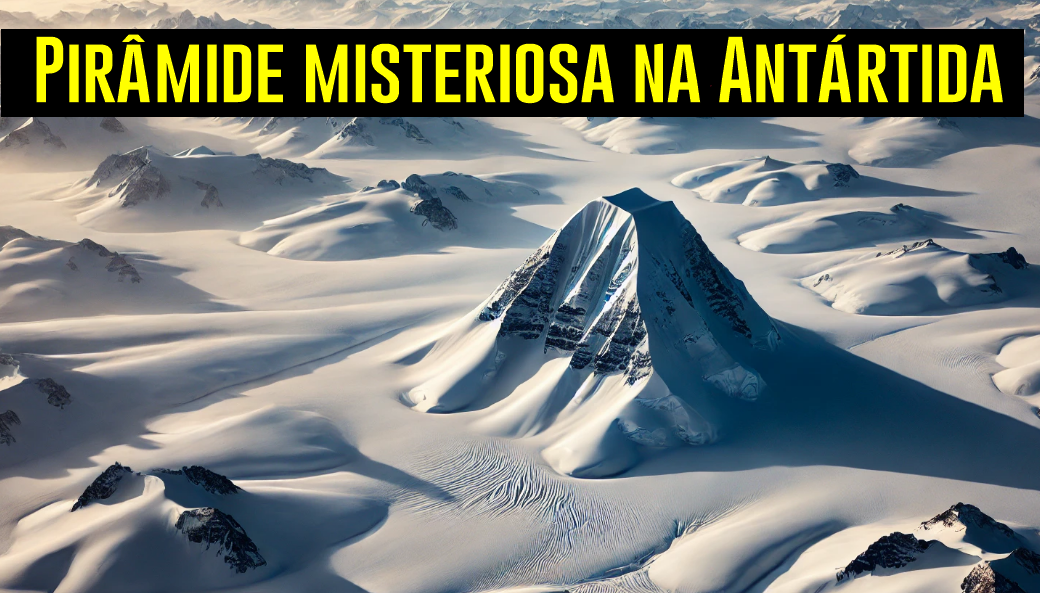
Between The White Landscapes Of Antarctica, A Mysterious Pyramid-Shaped Structure Emerges, Intriguing Scientists And Sparking Global Curiosity
Amidst The Frozen Vastness Of Antarctica, A Mysterious Structure Has Generated Curiosity And Fed Conspiracy Theories On A Global Scale. It Is A Pyramid-Shaped Formation Located In The Ellsworth Mountain Range, Which Has Been The Subject Of Debate.
Despite Its Intriguing Appearance, Experts Emphasize That Not Everything Is As It Seems. Next, We Unravel What Is Known So Far About This Peculiar Formation.
The Origin Of The Pyramids And The Fascination With The Unknown
When We Think Of Pyramids, Ancient Civilizations From Egypt, Mexico, Peru, And Even Italy Come To Mind. These Structures Are Testaments To Human Ingenuity And Carry Deep Mysteries And Meanings.
-
Weighing 820 tons in transport, the largest direct current transformer ever manufactured in the world left Sweden for China in the heaviest shipment ever carried out by the Hitachi Energy factory, to equip a line that will transmit renewable energy over more than 2,300 km.

-
Marco Rubio, United States Secretary of State, classified Brazil as a country that is not among Washington’s friends on the continent, placing it alongside Cuba, Nicaragua, and Venezuela in a statement to the American Senate amid escalating tensions with the Lula government.
-
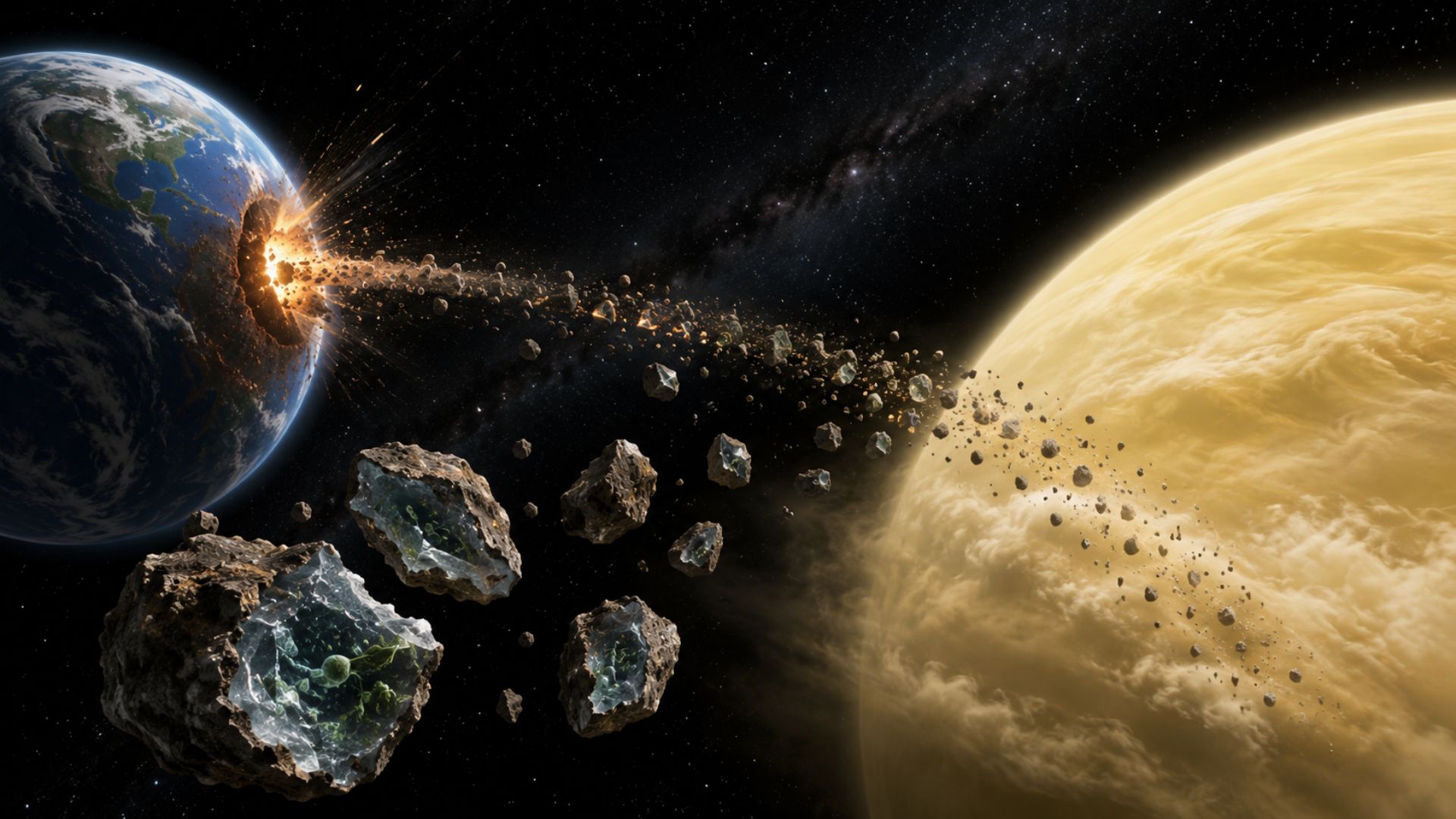
A study published by American researchers raises the hypothesis that Earth may be seeding life in the clouds of Venus, with asteroid impacts ejecting microbes that would survive protected within rocks until reaching the atmosphere of the neighboring planet, although no life there has been confirmed.
-
Without a giant factory and with recipes kept in Grandma Jurema’s memory, a couple from São Lourenço started making jams at home in 2020 and turned blackberry, strawberry, and red fruits into an artisanal Minas Gerais brand without preservatives, thickeners, or chemicals.


Thus, The Discovery Of A Formation With Pyramid-Like Features In Antarctica Brought Along Doubts. Could It Be Possible That An Ancient Civilization Reached These Frozen Lands And Built Monuments There?
The Formation Of The Antarctic “Pyramid”
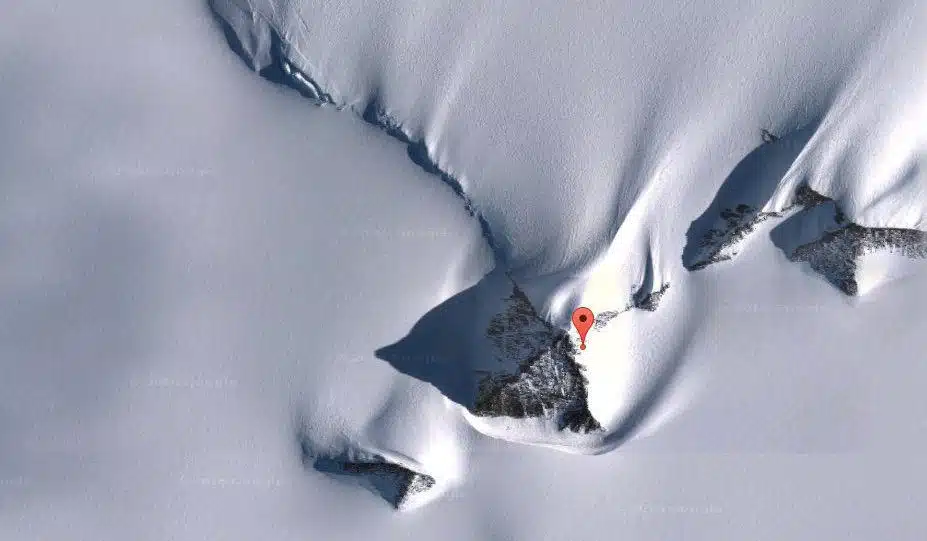
With The Help Of Google Earth, Aerial Images Of The Formation In The Ellsworth Mountain Range Have Been Released, Leading Internet Users To Speculate About The Possibility Of A Structure Built By Humans Or Even Extraterrestrials.
However, Geologists And Scientists Quickly Responded With More Plausible And Scientific Explanations Regarding The Specifics.
Professor Eric Rignot From The University Of California Believes That The Formation Is Nothing More Than A Mountain With A Peculiar Shape. Rignot Explained That “Pyramid-Like Shapes Are Not Unnatural And Occur Naturally In Rock Formations, Especially In Mountain Regions.”
The Geological Perspective
The Most Accepted Theory Among Geologists Is That The Pyramid-Like Shape Is A Result Of Erosion, Caused By Millions Of Years Of Natural Processes. Mitch Darcy From The German Research Center For Geosciences Clarified That The Formation Is Located In The Ellsworth Mountains, An Extensive Mountain Range.
According To Him, “The Similarity Of The Formation To A Pyramid Is Pure Coincidence, Being Just A Matter Of How The Rocky Peaks Rise Above The Ice.”
Nunataks: A Common Phenomenon In Glacial Regions
The Formation Evolving As A “Nunatak” Is A Term That Refers To Rocky Peaks That Emerge Above The Ice, Common In Glacial Areas.
Many Nunataks Can Acquire Sharp Shapes Depending On How The Ice Surrounds And Moves Around Them. Therefore, The Antarctic “Pyramid“, As Intriguing As It Is, Is Considered A Natural Formation.
Characteristics Of The Ellsworth Mountains
The Ellsworth Mountain Range Is The Highest In Antarctica, Spanning About 360 Kilometers. It Is Divided Into Two Subranges:
- Sentinel Range: Home To The Highest Peaks, Including Mount Vinson, Which Reaches 4,892 Meters And Is The Highest Point On The Continent.
- Heritage Range: Characterized By Progressively Lower Peaks And Diverse Geological Formations, Revealing Details About The Tectonic And Sedimentary History Of The Region.
Studies Indicate That The Ellsworth Mountains Were Formed About 150 Million Years Ago, Composed Mostly Of Sedimentary And Metamorphic Rocks.
Geological Analyses Indicate That This Mountain Range Was Once Part Of A Larger Continent Before Separating And Migrating To The Southern Tip, Forming The Current Landmass Of Antarctica.
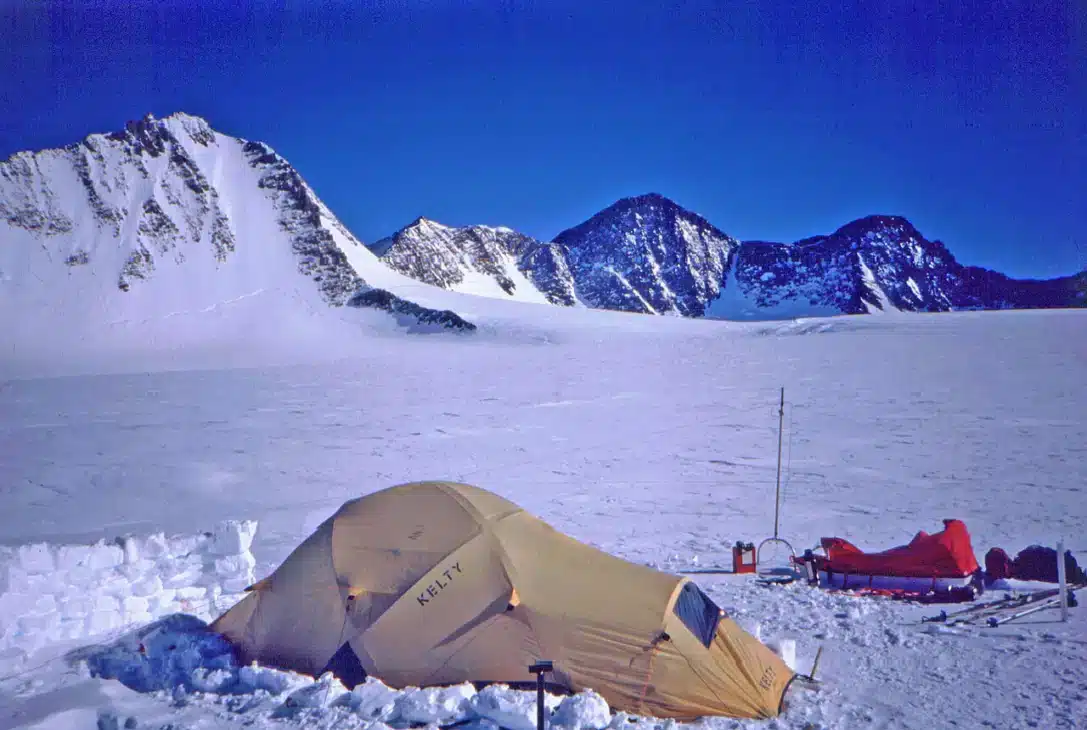
Climate And Environmental Challenges
The Climate In The Ellsworth Mountains Is One Of The Harshest On The Planet. With Temperatures That Can Drop Below -50°C, Intense Winds, And Long Periods Of Darkness During Winter, The Area Provides Extreme Conditions For Research And Exploration.
In Summer, The Scene Is Reversed, With Continuous Sunlight And Slightly Milder Temperatures, Facilitating The Work Of Researchers And Climbers.
Exploration And Research In The Region
The Ellsworth Mountains Attract The Interest Of Scientists And Adventurers. Areas Of Study Include:
- Glaciology: Research On Ice Composition And Past Climate Changes Confirmed Through Ice Core Samples.
- Geology: The Rock Formations Provide Clues About Ancient Tectonic Processes, Contributing To The Understanding Of Antarctica’s Geological History.
For Mountaineers, Reaching The Summit Of Mount Vinson Is A Special Achievement. Expeditions Occur During The Antarctic Summer (November To January), When Conditions Are Less Severe, But Still Require Specialized Skills And Equipment.
Curiosity And Conspiracy
Despite Scientific Evidence, The Human Fascination With The Unknown Keeps The Curiosity About The Antarctic “Pyramid” Alive.
As Mauri Pelto, An Environmental Science Professor At Nichols College Said: “At Least They Are Thinking About Something.” He Hopes That, Through This Curiosity, More People Can Learn About The Planet And Its Natural Features.
The Antarctic “Pyramid” Is Likely No More Than A Geological Accident. It Remains, However, A Symbol Of The Natural Wonders Of Our Planet And The Constant Human Search For Answers.





Be the first to react!