






 Portuguese
  Spanish


City Faces Environmental Controversy With Project That Aims to Benefit 155 Thousand People, but at the Cost of More Than a Thousand Trees Felled.
Another controversial project could transform Curitiba — but will the city or nature pay the price?
Behind the ambitious Inter 2 project, which promises to revolutionize urban mobility in one of the country’s most developed cities, lies the forecast of an environmentally alarming impact, directly affecting the daily lives of residents and the landscape of the capital of Paraná.
With thousands of trees at risk, residents of 28 neighborhoods find themselves divided between the promised advancement and the environmental cost.
-
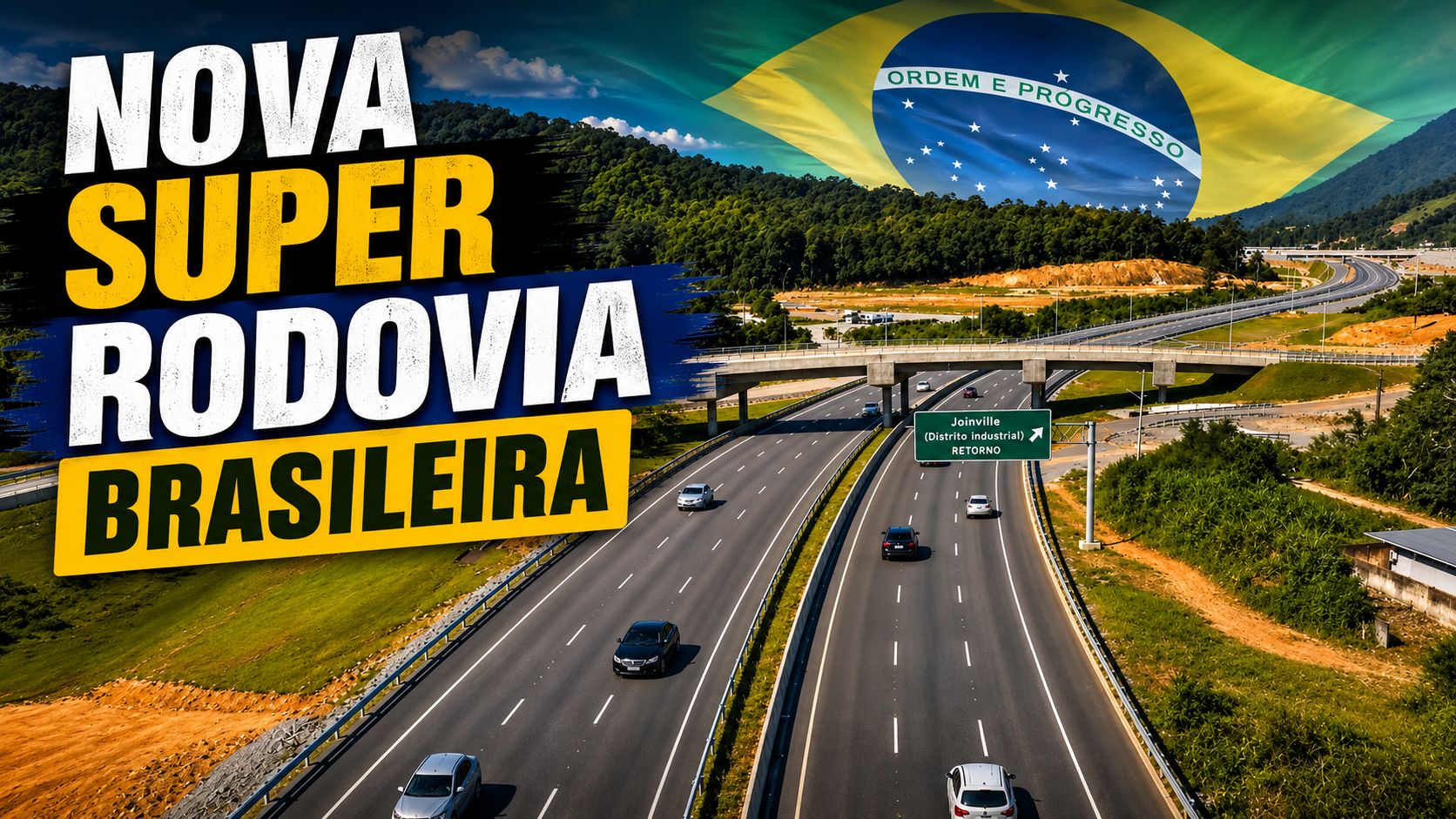
Santa Catarina Launches $1.4 Billion, 145-Kilometer Highway Project with Six Lanes and Speeds Up to 120 km/h

-
Couple Transforms 1913 School into 370 m² Home with Four Bedrooms After $175,000 Purchase and Three Years of Renovation

-
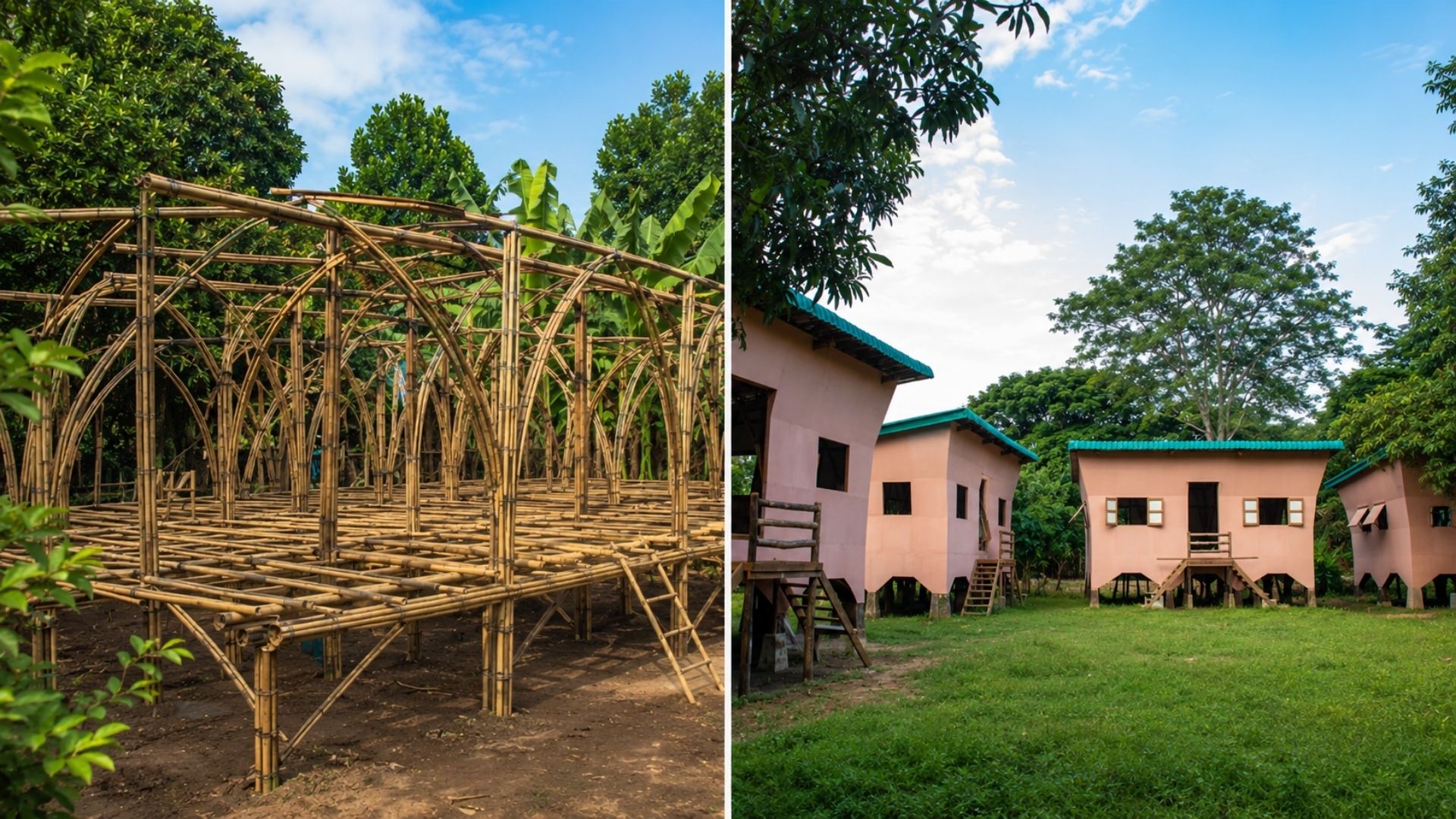
Bamboo Houses Built in 7 Days for the Price of a Smartphone: 26 Survived Intact in Myanmar’s 7.7 Earthquake
-
Brazilian Steel Giant Partners with USP to Develop 40% Stronger Rebar for World’s Tallest Residential Building in Brazil’s Senna Tower



Urban Mobility and the Promise of Inter 2
The Inter 2 project, an initiative of the City Hall of Curitiba in conjunction with the Inter-American Development Bank (IDB), aims to transform the city through a mobility corridor that promises to serve 155 thousand passengers daily.
This circular corridor seeks to interconnect different urban axes, providing an alternative for traffic and reducing the dependence on private vehicles, utilizing electric buses within its structure.
However, progress has raised a series of environmental concerns.
For Inter 2 to operate, 1,089 adult trees will need to be felled, many of them located in areas with significant green space.
According to data from the SOS Arthur Bernardes movement, in just one specific section — the lot on Rua Presidente Arthur Bernardes, which has a two-kilometer linear park — 624 healthy trees will be removed to make way for new roads and infrastructure.
Verônica Rodrigues, a resident and activist in the movement, harshly criticizes the project, stating that although it is sold as sustainable, “it has nothing sustainable about it.”
Greenwashing and Environmental Impact
As reported by the organizers of SOS Arthur Bernardes, the city’s justification for the environmental impact of Inter 2 is the use of electric buses, which promise to reduce emissions in the future.
However, Verônica accuses the project of “greenwashing” — a term that describes practices that mask harmful actions to the environment with a false appearance of sustainability.
The activist highlights that the IDB, the project’s financier, also holds responsibility, as it has policies to address climate crises that are, however, being neglected in this case.
Biologist Ionete Hasse was one of the first to notice the environmental risks of Inter 2 when she attended a public meeting where the tree removals were announced.
“As a biologist, my initial concern was with the extent of vegetation suppressed in the green corridor of Rua Presidente Arthur Bernardes,” Ionete commented in an interview with ICL Notícias.
Seeking clarification, she contacted the city hall, which responded only vaguely: “trees will be cut.”
Resistance Movement Gains Strength
The unsatisfactory response led Ionete to start the SOS Arthur Bernardes movement, placing a banner in her apartment with the phrase “SOS Arthur Bernardes,” which quickly became the symbol of the protest.
Since May 2023, the mobilization has collected over 10 thousand signatures and garnered support from various entities, including the NGO Observatório de Justiça e Conservação, which filed a Public Civil Action to try to stop the continuation of the works.
Verônica Rodrigues reports that the movement has quickly gained adherence and has impacted various neighborhoods in Curitiba. “The city is at a standstill.
The construction has caused disruptions to traffic and has made it difficult for the population to move around,” Verônica says. Additionally, there are criticisms regarding the lack of transparency in the project.
According to the leaders of SOS Arthur Bernardes, there was no public hearing or adequate environmental impact study for a project of such magnitude.
Work: Irregularities and Impacts on Daily Life
According to Verônica, the project lacks neighborhood and environmental impact studies, which would compromise its viability in terms of sustainability and safety.
“The city hall is authoritarian and ignored the possibility of locational alternatives,” she comments, referring to a legal procedure that assesses alternative locations to minimize impacts on large projects.
The absence of these studies raises concerns among residents, who accuse the public administration of violating both environmental and administrative norms.
After a complaint from the SOS Arthur Bernardes movement, the Public Prosecutor’s Office issued a preliminary injunction to temporarily suspend the works, but the city hall appealed and managed to reverse the decision.
The movement, however, continues to pressure authorities and seek popular support to maintain the fight in defense of the threatened green areas.
Similar Cases in Other Regions
Curitiba is not the only Brazilian city facing this type of controversy. In São Paulo, councilwoman Renata Falzoni was detained in October 2024 during a protest in Vila Mariana against the felling of 180 trees.
The city hall of São Paulo intends to open two tunnels in the area, but the measure generates strong resistance from residents and activists.
“The tunnel won’t solve the mobility issue, it will displace 500 people and destroy the spring of the river,” criticized Falzoni.
According to the councilwoman, the project proposes the removal of a bike lane and a central median, harming both the local fauna and the conditions for active mobility.
Reflection on the City’s Future
The controversy surrounding the Inter 2 project in Curitiba raises questions about the limits of urban development and the price that cities should or should not pay in the name of mobility.
With a growing number of citizens opposing interventions that compromise green areas, what truly defines a project as sustainable? Curitiba faces a dilemma, and the struggle of its residents may inspire new reflections on the balance between progress and preservation.
And you, what do you think? Is progress worth the environmental sacrifice? Leave your comment!


