Portuguese
  Spanish




With Competitive Pricing and Simple Manufacturing Process, PTQ15 Could Revolutionize the Use of Organic Solar Cells in Windows, Roofs, and Mobile Devices
Researchers at Zhengzhou University in China announced a milestone in the production of organic solar cells (OSCs). A new polymer, called PTQ15, has achieved an energy conversion efficiency of 19.96%. In addition to high performance, the material stands out for its low cost, simplicity in the manufacturing process, and stability even outside controlled environments.
New Technology with Reduced Cost
The main advantage of PTQ15 is its price. It costs US$ 35.528 per kilogram, a value much lower than competing polymers like PM6 (US$ 205.725/kg) and D18 (US$ 211.432/kg). This difference represents an opportunity to reduce production costs on a large scale.
Furthermore, the new material maintains an efficiency of 19.37% even in outdoor conditions, with 25% humidity, without the need for controlled laboratory environments.
-
Brazilian scientists are simultaneously advancing two research projects on clean hydrogen and driving solutions that could transform the energy matrix, enhance industrial competitiveness, and accelerate large-scale emission reduction targets.

-
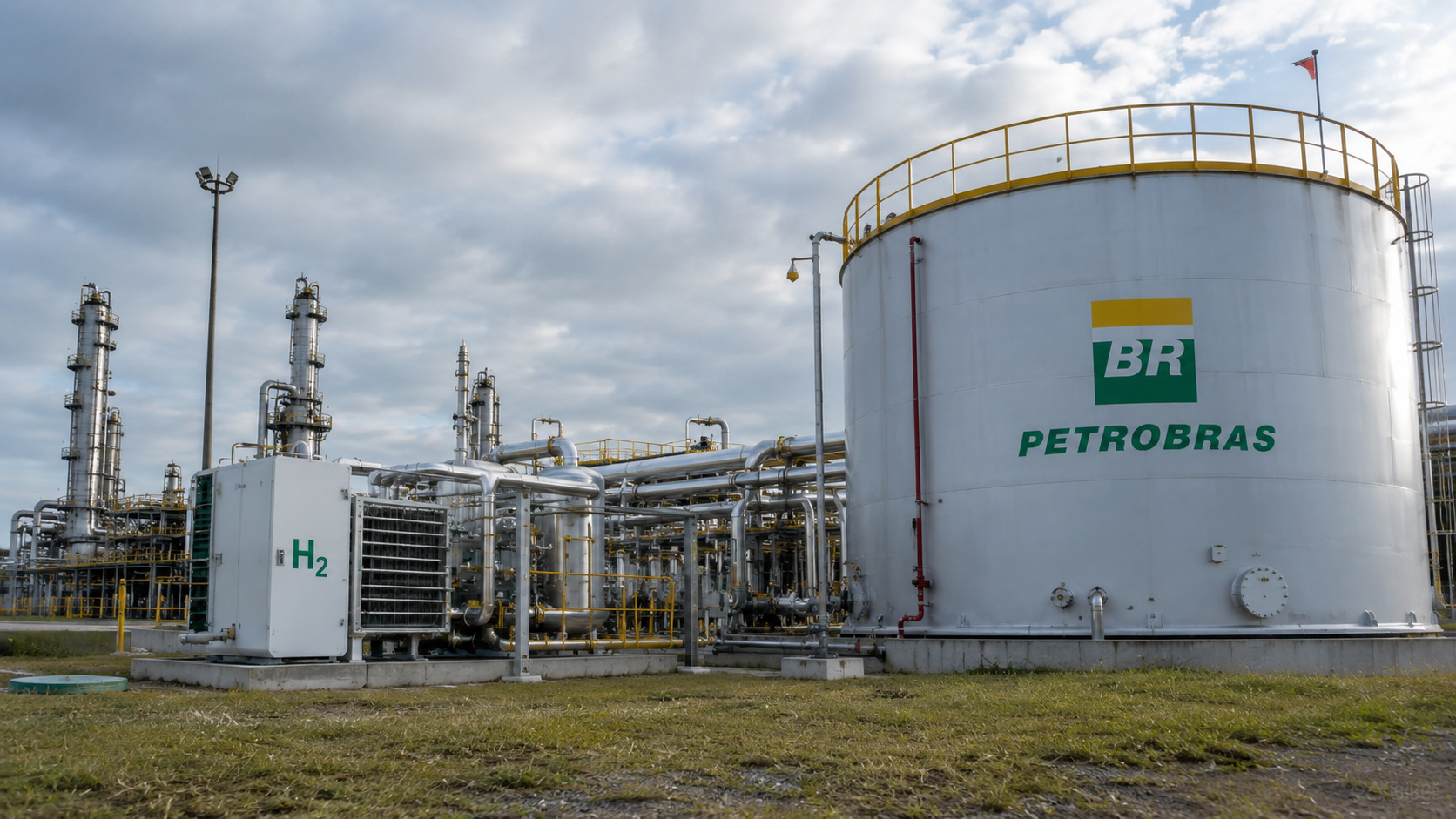
Advancement in renewable energy: A R$ 150 million project launched by Petrobras and Finep aims to create state-of-the-art electrolyzers for green hydrogen, strengthening national research and preparing Brazil to compete in a billion-dollar energy market.
-
Illiterate or semi-literate grandmothers were trained to repair solar systems, open rural workshops, and light up homes that still depended on kerosene.
-
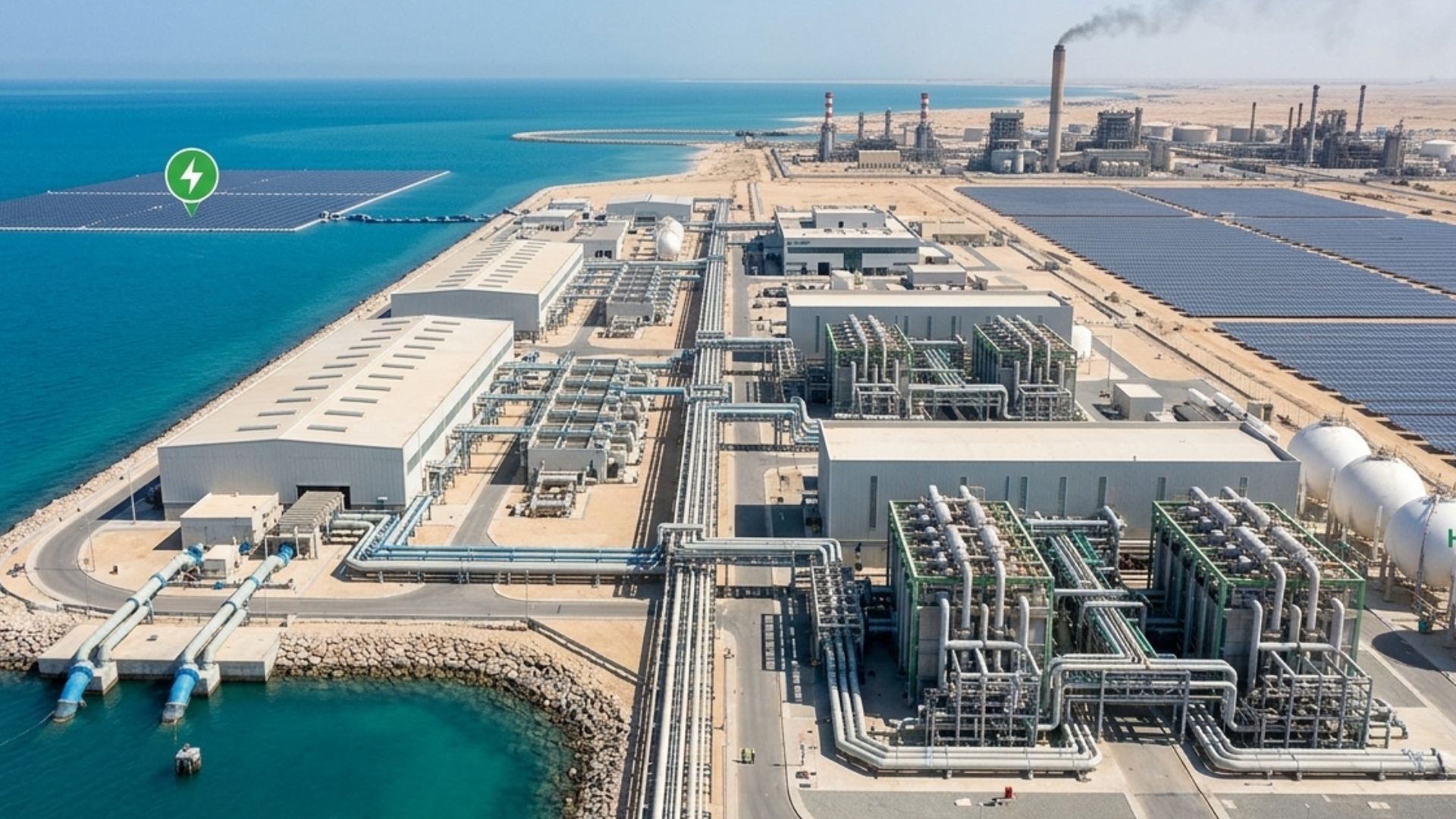
The world has bet on green hydrogen as the fuel of the future, but now faces the side effect: producing 1 kilogram requires about 9 liters of ultrapure water, and the largest projects on the planet are precisely in the driest regions of the Earth, where water is already scarce for people.



Simplicity and Speed in the Process
The structure of PTQ15, based on the trifluoromethyl group (CF₃), simplifies the synthesis process. Only three or four stages are required, all with a yield of over 80%.
This feature reduces production time and costs, making manufacturing more practical and accessible. Another advantage is the ultra-fast charge transfer of just 1.40 picoseconds, along with minimal non-radiative energy losses—only 0.190 eV.
Price per Watt and Commercial Viability
With a minimum sustainable price of US$ 0.36 per watt, solar cells made with PTQ15 become competitive with other traditional technologies, such as silicon. This paves the way for large-scale applications, reducing the costs of solar energy generation and promoting the use of clean sources.
PTQ15 also enables new application forms. Being a lightweight, flexible, and semi-transparent material, it can be used in windows, roofs, or portable equipment.
This versatility broadens the possibilities for integration with urban infrastructure, encouraging more distributed and accessible energy generation.
Sustainable and Promising Technology
The combination of record efficiency, low cost, and stability under real conditions positions PTQ15 as a standout among innovations in clean energy.
Moreover, production based on organic polymers requires less energy and does not use hazardous materials like asbestos, contributing to a safer and more environmentally friendly process.
This advancement from Zhengzhou University demonstrates the potential of organic solar cells to transform the global energy matrix.
With information from EcoInventos.