






 Portuguese
  Spanish
  3 min of reading


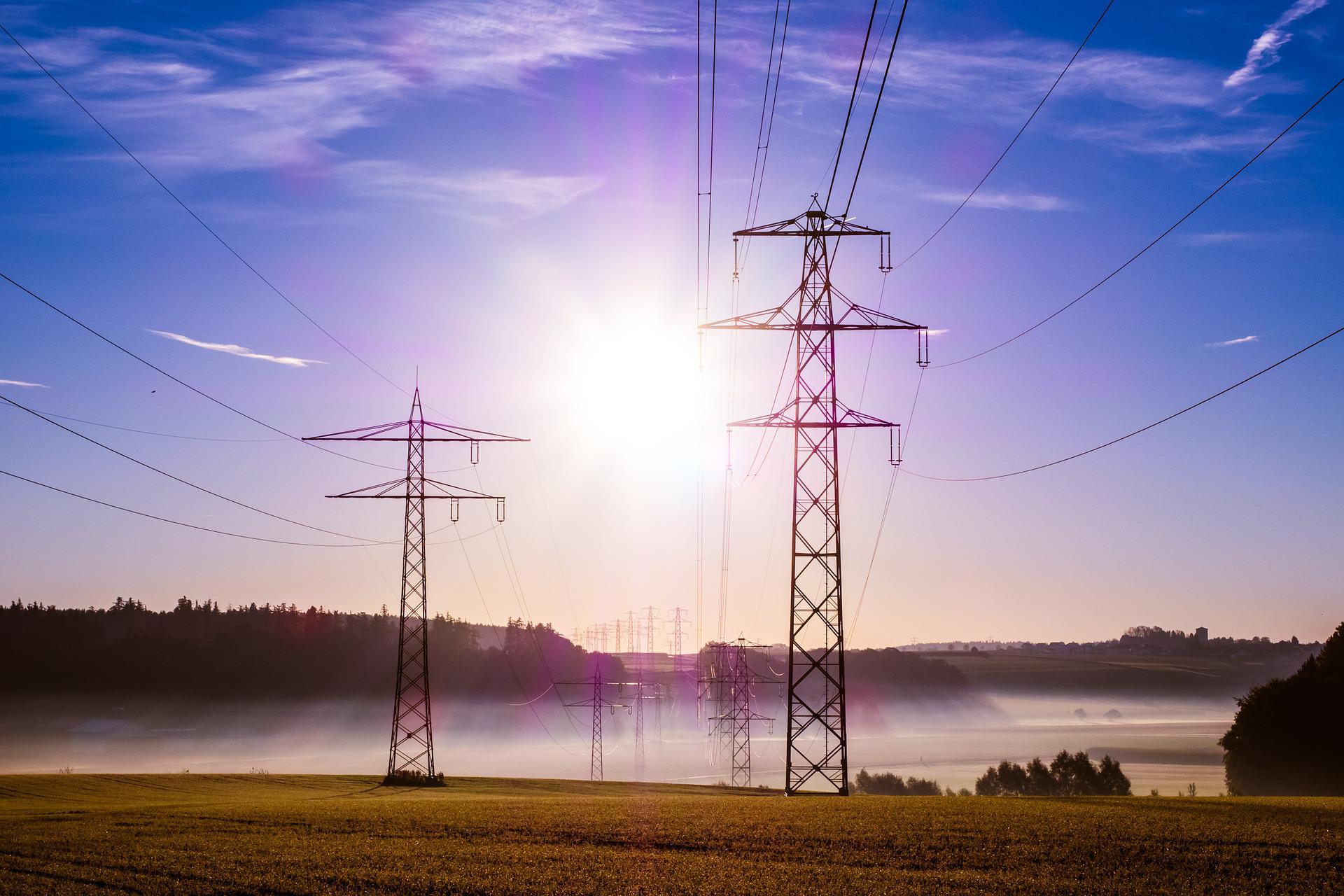
The Attempt to Achieve Renewable Energy and Cleaner Sources from the East, in Countries Like China and India, Is Causing the Price of Raw Materials Used for the Manufacturing of Photovoltaic Panels to See a New High.
Renewable Energy? Polysilicon, a material used as a raw material for the construction of photovoltaic solar panels, is experiencing its highest increase in more than 11 years due to its high demand for the transition from fossil energy to green energy. The news was announced by the portal of Caixin Global. One of the countries impacting the inflated price has been China. The country is on a strong push for clean energy and, as a result, has been showing high demands for purchases, both domestic and foreign.
High-quality polysilicon prices have increased for 20 consecutive weeks, data shared by the China Silicon Industry Association shows. Overall, compared to 2021, it is estimated that the value has risen by about 25.8% and is among the highest since 2011. Despite the price increases, analysts argue that expectations are for values to remain more stable this year.
China Is Increasing Its Capacity for Green Energy and Can Exponentially Reduce Its Emissions with Solar Panels
From January to May of this year, China is reported to have reached the goal of at least 23.71 gigawatts, an increase of 139% compared to the previous year, meaning that sector investments have effectively doubled.
-
Brazilian scientists are simultaneously advancing two research projects on clean hydrogen and driving solutions that could transform the energy matrix, enhance industrial competitiveness, and accelerate large-scale emission reduction targets.

-
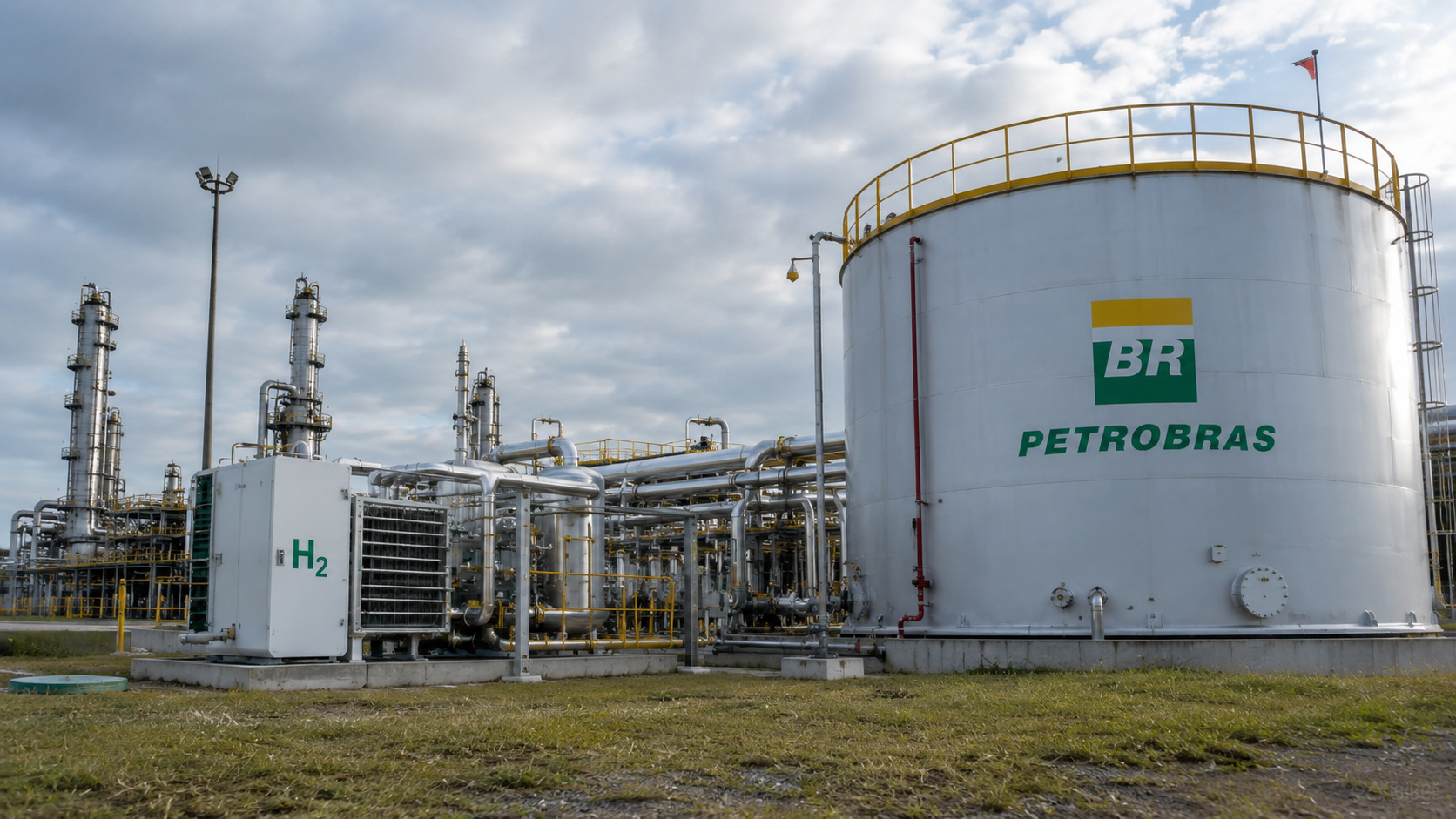
Advancement in renewable energy: A R$ 150 million project launched by Petrobras and Finep aims to create state-of-the-art electrolyzers for green hydrogen, strengthening national research and preparing Brazil to compete in a billion-dollar energy market.
-
Solar energy can increase property value by up to 10% and become a selling point.
-
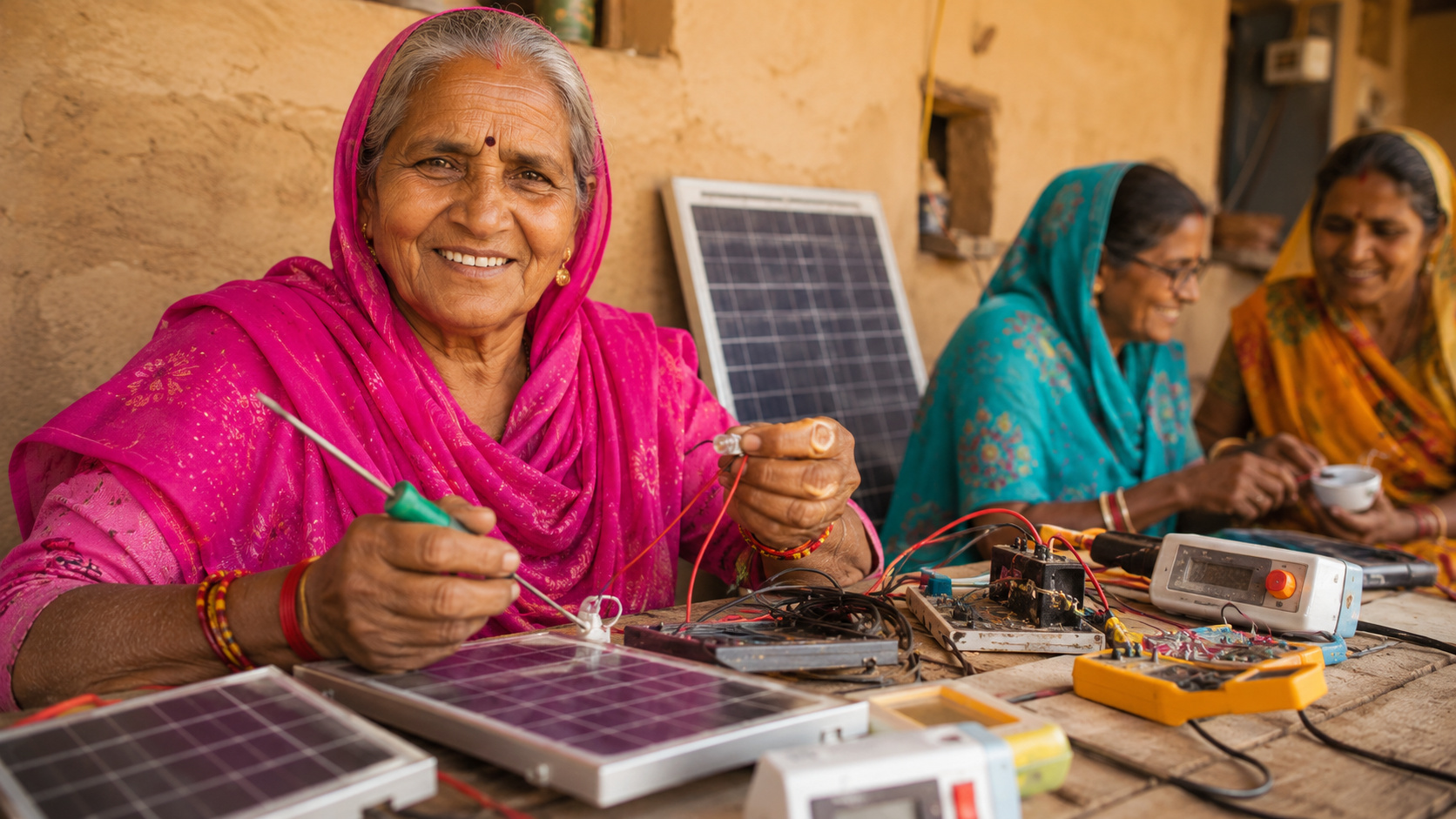
Illiterate or semi-literate grandmothers were trained to repair solar systems, open rural workshops, and light up homes that still depended on kerosene.


The country is not only investing in renewable solar energy but also in green hydrogen. Many companies, not just Chinese, are announcing investments aimed at green hydrogen, such as Airbus, which stated last Wednesday, June 22, that it would be investing in the manufacturing of aircraft engines that would use this fuel to reduce long-term costs with biodiesel.
Nevertheless, polysilicon developers have announced plans to exponentially increase the production of this material in the coming years and in the short term, in order to meet the demands from the Chinese. By the end of 2023, it is estimated that production capacity will reach over 2.25 million tons, which will make the transition to using renewable sources instead of fossil fuels more sustainable and cheaper. The high price of panels makes countries like India believe that the minimum amount they will need to invest for the transition will be US$ 230 billion by 2030.
Currently, China’s production capacity stands at only 540,000 tons. However, the aim is to increase the current production value fourfold in order to reduce costs.
Renewable Energy in Brazil Does Not Have So Positive Effects
Renewable energy and solar panels in Brazil have been causing some controversies with the possibility of the federal government starting to tax the sun. The federal government has a project not to charge ICMS for forty years for those who invest in solar energy in 2022. However, those who invest from 2023 onward will have to pay taxes on all energy produced, which leads many Brazilians to believe that it is not viable, because even if they do not pay the electricity bill, they will still have monthly taxes.





Be the first to react!