






 Portuguese
  Spanish


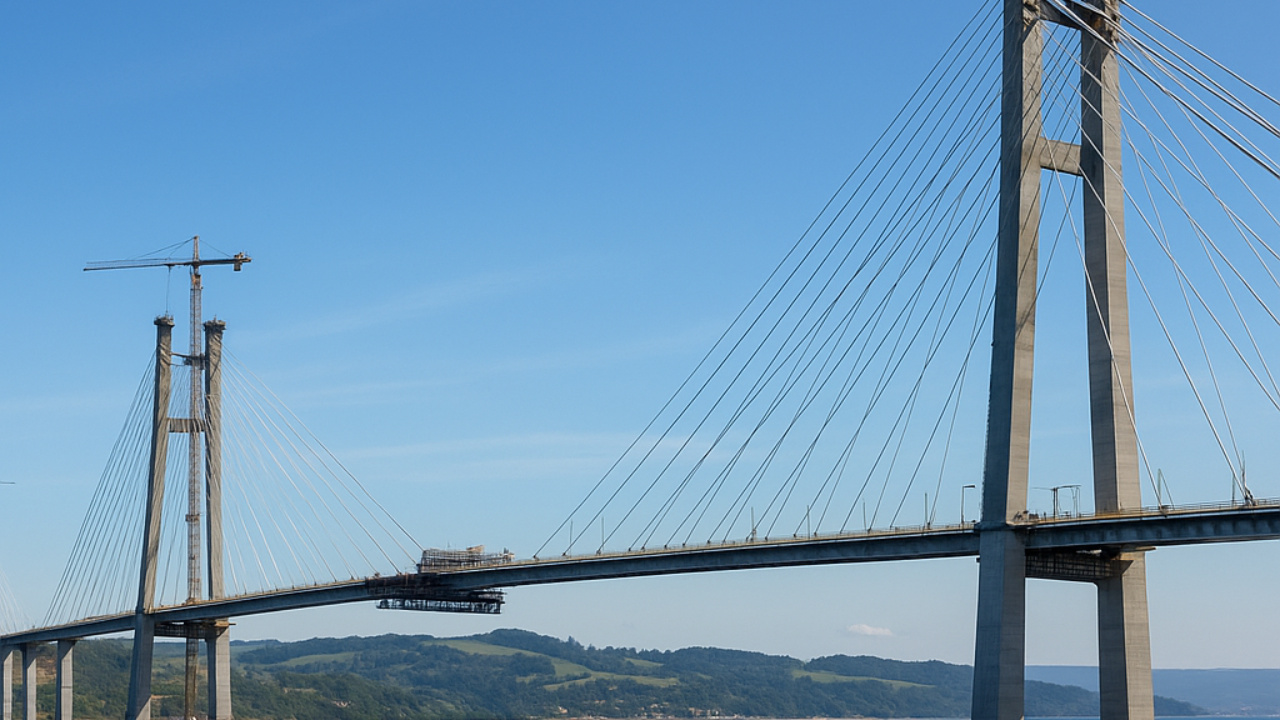


Chile Advances in Infrastructure with the Chacao Bridge, Engineering Work That Creates a Permanent Connection Between the Continent and the Island of Chiloé.
Latin America is rapidly moving forward with major infrastructure projects, and one of the most attention-grabbing initiatives at the moment is the Chacao Bridge in Chile.
The project, which is being built to permanently connect the Island of Chiloé to the mainland, represents a historic shift in transportation for the region.
What is being constructed is a four-lane bridge that will operate 24 hours a day, replacing the ferries that were, until now, the only alternative for residents, tourists, and cargo – a system that often faced delays due to weather conditions.
-
U.S. City Builds Tiny Home Village on Water Company Land to House 136 Homeless People: Inside the Social Housing Units

-
Woman Turns Shipping Container into Home, Embraces Rural Life to Cut Monthly Expenses to Just Over $330
-
France Revamps 530 Social Housing Units with Large Balconies and Glass Facades Without Demolishing Existing Buildings

-
Facing high rent, couple transforms parents’ garage into a fully functional apartment, creating a complete home at a fraction of the market cost.




For this reason, the Chilean government considers the enterprise strategic to ensure fluidity, safety, and continuity in regional circulation.
Moreover, the Chacao Bridge plays a crucial role in the advancement of Route 5, the highway axis that spans the country from north to south.
Historic Infrastructure: Why the Chacao Bridge Became a National Priority
Conceived in the 1960s, the Chacao Bridge took decades to come to fruition. Only recently has the country managed to gather sufficient technology, investment, and environmental studies to make the project viable.
This long preparation period reflects the complexity of the Patagonian environment, known for strong winds, heavy tides, and unstable soil – factors that required highly advanced engineering solutions.
Thus, the current project represents one of the most modern infrastructure initiatives in Latin America. It was designed to withstand extreme conditions and ensure prolonged durability, a central challenge in regions with such harsh climates.
The Largest Suspension Bridge in Latin America: Numbers That Impress
When inaugurated, the Chacao Bridge will reach a length of 2,750 meters, becoming the longest suspension bridge in Latin America.
This milestone even surpasses the iconic Golden Gate in the United States, placing Chile among countries with world-class engineering projects.
To achieve this feat, the structure includes:
Three large towers that support the entire span of the bridge.
Pillars reaching up to 200 meters above sea level, designed to remain stable even in the frequent storms of the Chacao Channel.
Four lanes of traffic, providing greater fluidity in movement.
These elements make the project not only robust but also prepared to operate continuously, without interruptions caused by bad weather – one of the main issues faced previously.
Island-Continent Connection: Immediate Economic and Social Impacts
With the capacity to accommodate over 12,000 vehicles per day, the bridge will create a permanent and efficient island-continent connection, transforming the daily routine of those who depend on the route for work, study, or transporting goods.
The fluidity of travel will reduce logistics costs, attract new investments, and expand access to essential services.
Furthermore, the physical integration strengthens the economy of the Island of Chiloé, known for its culture, tourism, and local production.
The government’s expectation is that the bridge will drive regional development, create jobs, and consolidate Chile as a reference for major engineering works.
A Landmark for Chile and for Latin American Infrastructure
The construction of the Chacao Bridge is not just a national advancement – it symbolizes a new phase of infrastructure in Latin America, marked by ambitious projects, cutting-edge technology, and the pursuit of territorial integration.








