Portuguese
  Spanish


For more than 500 years, a mine in Bolivia not only outperformed global powers in silver production but also became the stage for a story of opulence and suffering that changed the world.
Located in Potosí, Bolivia, is the largest silver mine in the world. Its historical and productive magnitude surpasses powers like China, currently the third largest global producer of the metal. The Bolivian mine, active for over five centuries, was crucial to the economic history of Latin America and the world.
Potosí, Bolivia: The Legacy of the Mountain That Shaped the Global Economy
The Potosí mine, situated on the mountain known as Cerro Rico, has been in continuous operation for over 500 years. Its discovery transformed the city into one of the largest urban centers on the planet in the early 17th century. This feat highlights Potosí’s relevance in global economic history, surpassing the silver production of nations like China, which follows behind Mexico and Peru in the ranking of largest producers.
The Discovery of Cerro Rico and the Ascent of a Global Metropolis
In 1545, the discovery of vast silver reserves in Cerro Rico changed the fate of Potosí. The city quickly became one of the most important centers of the global economy during the 16th and 17th centuries. The abundance of ore attracted a diverse population, including indigenous people, Spanish settlers, and African slaves. As a result, the local population reached around 160,000 inhabitants, surpassing renowned European cities like London and Milan at the time.
-
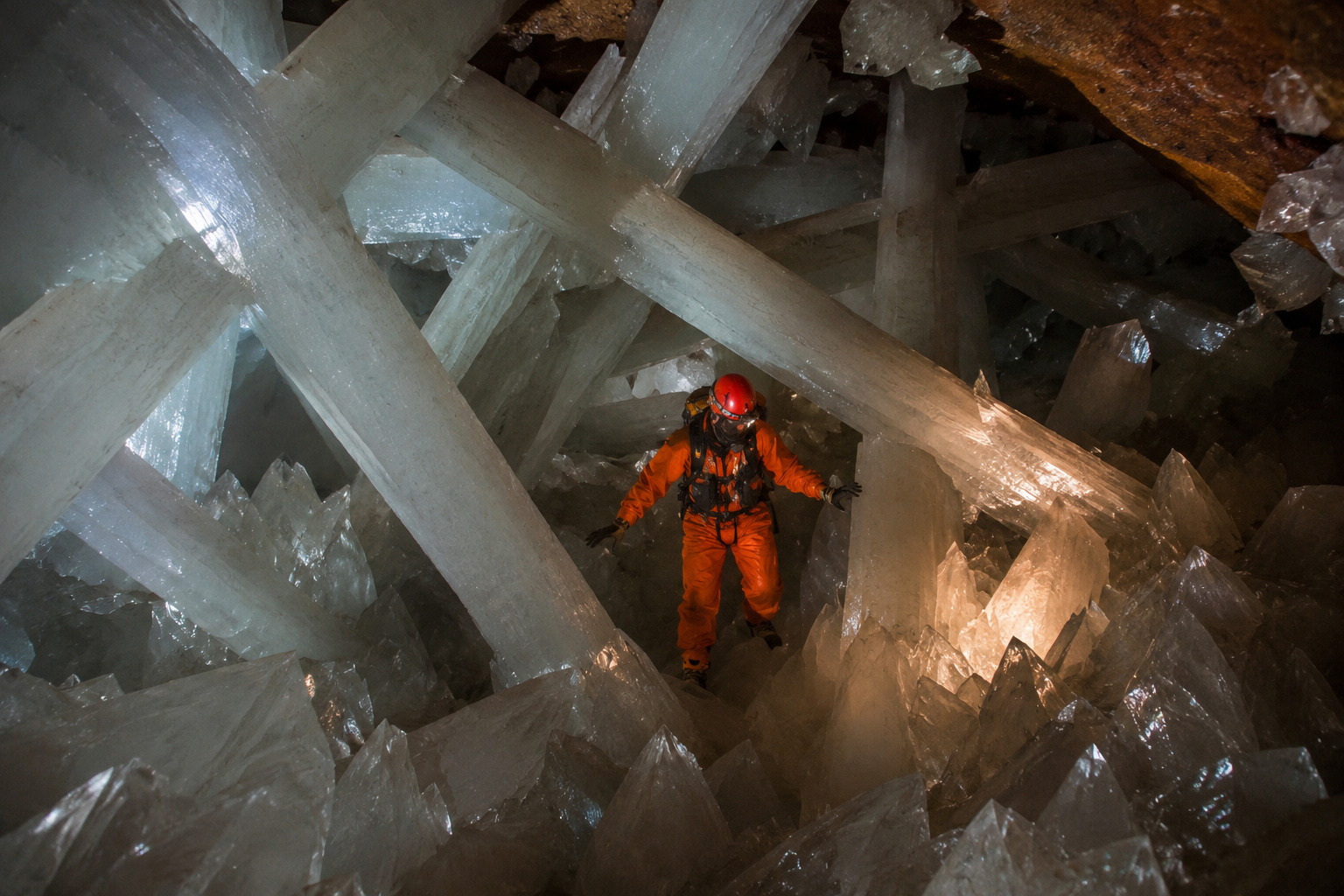
Mexico’s Giant Crystal Cave: A Deadly 58°C Underground Palace with 11-Meter Crystals Formed Over Nearly a Million Years

-
China Dominates Over 90% of Rare Earth Refining, Prompting Global Concerns: Canada and Japan Launch Billion-Dollar Plan to Reduce Dependency and Safeguard Batteries, Semiconductors, and Defense

-
Ancient Mines in Spain Reveal Tools and Metals That May Explain Bronze Age Trade with Scandinavia
-
XCMG Launches 240-Ton Mining Truck in Brazil, Promising Increased Productivity with Lower Fuel Consumption


“Mita”: The Forced Labor System Behind the Wealth of Potosí
The intensive exploitation of silver was marked by the implementation of the “mita,” a forced labor system. Thousands of indigenous people were forced to work in the mines under extremely adverse conditions. This regime resulted in high mortality rates and caused profound impacts on the social and demographic structures of the region. The wealth extracted was sent directly to Spain through the local Mint, established in 1572, significantly influencing the global economy.
The Present of Potosí: Cooperativist Mining and Historical Tourism
Today, the Cerro Rico mine still holds economic relevance, although silver extraction has decreased. Mineral exploration in the region is carried out under a cooperativist system, with 37 active cooperatives mainly focused on extracting tin and other minerals. In addition to mining, Potosí has established itself as an important tourist destination. Visitors from around the world are drawn to the opportunity to learn about the history of the mines and descend into their historic tunnels.