





 Portuguese
  English
  Spanish
  4 min of reading
  0 comments



Noises Coming From the Fridge During the Night Can Be Strange, but They May Be Linked to the Normal Operation of the Appliance and the Changes in Temperature and Pressure That Occur During the Refrigeration Cycle.
Hearing noises coming from the fridge during the night can be surprising, but appliance experts explain that in most cases, the phenomenon is linked to the normal functioning of the device.
These sounds usually occur when the motor and compressor kick in to maintain a stable internal temperature.
The quiet environment of the night also makes the noises more noticeable.
-
Motorola launched the Signature with a gold seal from DxOMark, tying with the iPhone 17 Pro in camera performance, Snapdragon 8 Gen 5 that surpassed 3 million in benchmarks, and a zoom that impresses even at night.

-
Satellites reveal beneath the Sahara a giant river buried for thousands of kilometers: study shows that the largest hot desert on the planet was once traversed by a river system comparable to the largest on Earth.

-
Scientists have captured something never seen in space: newly born stars are creating gigantic rings of light a thousand times larger than the distance between the Earth and the Sun, and this changes everything we knew about stellar birth.

-
Geologists find traces of a continent that disappeared 155 million years ago after separating from Australia and reveal that it did not sink, but broke into fragments scattered across Southeast Asia.

According to maintenance technicians, the sound is the result of natural variations in pressure and temperature of the internal parts during the refrigeration cycle.
What Causes the Noises
During the cooling process, the compressor pushes the refrigerant fluid through the system’s tubes.
The movement of this fluid and the sudden changes in temperature cause expansion and contraction of metal and plastic materials.
This physical effect is comparable to the popping sound of wooden furniture when subjected to thermal changes.
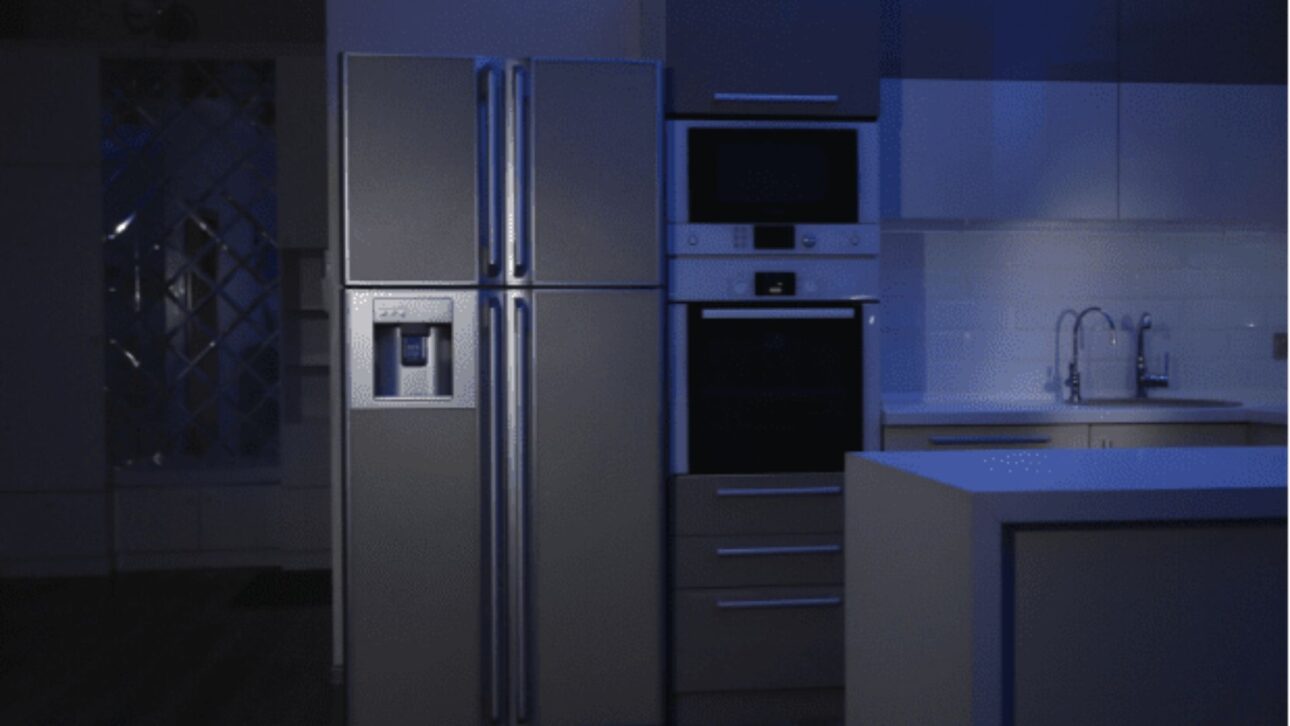
According to industry engineers, the evaporator — the component that absorbs heat — can also make noises when the ice formed breaks loose during automatic defrost cycles.
This type of noise is expected and is part of normal operation.
In many cases, structural vibration contributes to the sound.
When the fridge is pushed against the wall, uneven, or has poorly fitted shelves, the noise tends to amplify.
When the Noise Indicates a Problem
Although common, not all noises are harmless.
Technicians recommend watching for changes in pattern, such as very loud, continuous, or metallic noises.
These signs may indicate a failure in internal components, such as fans or the compressor itself.
Other indicators that require checking are reduced cooling power, leaks, bad smells, and excessive heat at the back of the appliance.
If these symptoms occur, the recommendation is to stop using the fridge and contact an authorized service technician.
According to maintenance professionals, overheating may be linked to blocked airflow or the buildup of dust on the coils, which strains the compressor and alters the typical noise.
How to Reduce the Noise
There are simple measures to minimize sounds.
Keeping the appliance level helps reduce vibrations and avoids unnecessary strain on the motor.
Keeping distance from the wall is also important, as direct contact transmits noise and hinders ventilation.
Organizing food evenly inside the fridge allows for better airflow and reduces the compressor’s operating time.
Additionally, it is recommended to periodically check if drawers and shelves are secure and properly fitted.
Technicians remind that preventive cleaning of the coils and ventilation areas, done with the appliance unplugged, contributes to good performance and may reduce unwanted sounds.
Differences in Modern Models
Newer fridge models may emit different sounds than older appliances.
This happens because modern compressors have electronic speed control and automatic defrost systems.
According to manufacturers, intermittent operation and frequency variations can generate additional popping sounds, without indicating a defect.
The material composition also influences.
Metal alloys, plastics, and insulating foams react differently to cold, which can result in brief noises during use.
Experts emphasize that occasional and short-duration noises are expected.
However, continuous noises accompanied by poor performance warrant evaluation.


Environmental Factors and Noise Frequency
External temperature can alter the frequency of the noises.
On hot nights, the compressor works longer to compensate for the heat, which increases the number of cycles and consequently the noises.
In cold environments, the operating time decreases, and the sound tends to be less frequent.
According to technicians, attention should not be paid to the presence of noise itself, but to changes in the equipment’s behavior.
A stable noise pattern, without impacting cooling performance, indicates normal operation.
What Consumers Can Do
Before calling for service, consumers can perform simple checks: check if the appliance is level, if there is enough space between the fridge and the wall, and if the door seal is in good condition.
It is also advisable to avoid overloading the interior with food, as this compromises airflow and increases the compressor’s workload.
If doubts about the noise persist, the recommendation is to contact the authorized manufacturer’s service.
Non-technical interventions can damage internal components and void the warranty.
Normal Sounds and Warning Signs
According to experts, isolated popping noises are a direct consequence of operation and do not require intervention.
In contrast, constant noises, loss of cooling, and unusual odors should be treated as warning signs.
The analysis should always consider the set of factors — noise intensity, frequency, internal temperature, and condition of external parts.
Only the combination of these elements can indicate the need for repair.
In your home, do the noises from the fridge come with a change in cooling or appear isolated during the night?







-

Uma pessoa reagiu a isso.