






 Portuguese
  Spanish


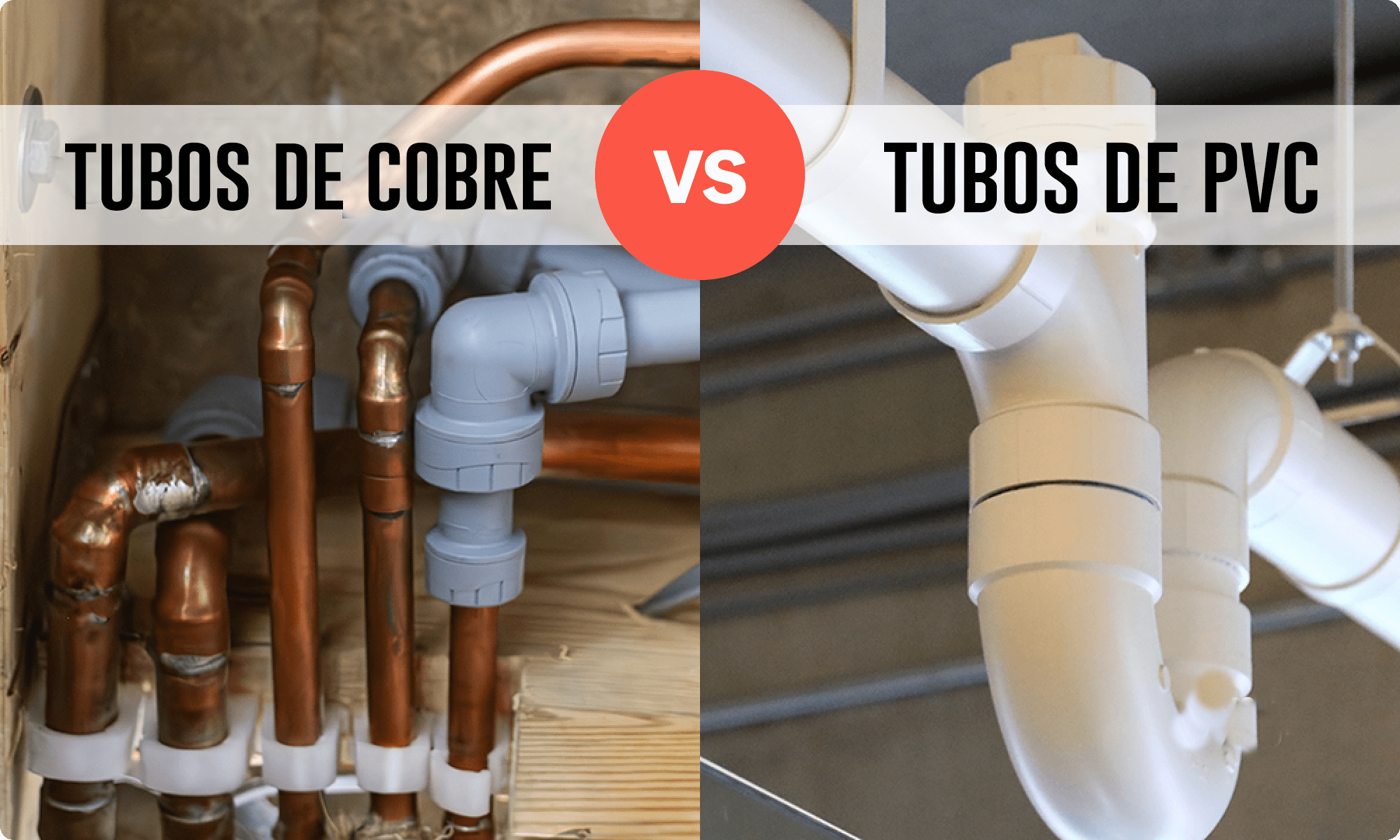

Copper Pipes Are Widely Used in the USA, But Why This Choice Instead of PVC? Understand the Reasons Here.
In Brazil, PVC is widely used in civil construction due to its versatility, durability, and cost-effectiveness. On the other hand, copper is widely used in other countries for construction, with the USA being one of the countries that uses the metal the most.
In the United States, copper is one of the most used materials in civil construction, especially in electrical installations, plumbing, and heating and cooling systems.
Its excellent electrical and thermal conductivity, combined with its corrosion resistance and long lifespan, make copper an essential choice for commercial and residential buildings.
-
U.S. City Builds Tiny Home Village on Water Company Land to House 136 Homeless People: Inside the Social Housing Units

-
Woman Turns Shipping Container into Home, Embraces Rural Life to Cut Monthly Expenses to Just Over $330
-
France Revamps 530 Social Housing Units with Large Balconies and Glass Facades Without Demolishing Existing Buildings

-
Facing high rent, couple transforms parents’ garage into a fully functional apartment, creating a complete home at a fraction of the market cost.




In addition to its technical properties, copper is valued for its aesthetic appeal, often being used in architectural elements and decorative details. In this comprehensive guide, we will thoroughly explore the reasons behind the American preference for copper, analyzing the Brazilian scenario.
Copper
In the United States, copper is synonymous with quality plumbing. Its history in the country dates back centuries, and this tradition remains strong today, driven by a series of factors that have established it as the top choice for builders and property owners.
Reliability and Durability: Copper is a robust and resilient material, capable of withstanding high temperatures and pressures without compromising its integrity.
This characteristic ensures the longevity of the plumbing system, minimizing the need for maintenance, repairs, and replacements, which translates into long-term savings. Imagine the peace of mind knowing your plumbing system is protected against leaks and failures for decades!
Unquestionable Safety: Health is a primary factor when it comes to drinking water, and copper stands out in this regard. Its bacteriostatic property inhibits bacterial growth, ensuring the purity of the water that reaches you.
Moreover, copper does not release toxic substances, such as BPA (Bisphenol A), found in some types of plastic, eliminating the risk of contamination and protecting your family’s health.
Sustainability on the Rise: In times of growing environmental concern, copper presents itself as a sustainable solution. 100% recyclable, it can be reused countless times without losing its properties.
Data from the Copper Development Association (CDA) indicates that approximately 40% of the copper used in the USA comes from recycled material, contributing to resource conservation and reducing environmental impact.
Fire Resistance: In fire situations, copper stands out for its safety. It does not propagate flames or release toxic gases, protecting lives and minimizing property damage. This characteristic is a crucial factor in choosing materials for plumbing, especially in commercial and residential buildings.
PVC
In Brazil, the history of PVC in plumbing installations is marked by accessibility and practicality. The material has won over the Brazilian market, becoming the preferred option in various types of constructions, primarily driven by the following factors:
Attractive Cost-Benefit: PVC is significantly cheaper than copper, making it an indispensable ally in projects with limited budgets. This advantage is particularly important in the Brazilian context, where the cost of civil construction is a critical factor in the feasibility of many projects.
Simplified Installation: PVC is lightweight, easy to handle, cut, and connect, eliminating the need for welding and complex tools. This characteristic simplifies the installation process, reducing project time and labor costs. The practicality of PVC makes it ideal for projects that require speed and efficiency in execution.
Versatility for Various Applications: PVC is available in a wide variety of diameters and formats, meeting the needs of different projects, from simple residential installations to complex industrial systems. This versatility has solidified PVC as a complete solution for the Brazilian market.
Copper vs PVC:
| Feature | Copper | PVC |
|---|---|---|
| Cost | High | Low |
| Durability | High | Medium |
| Corrosion Resistance | High | High |
| Heat Resistance | High | Low |
| Installation Ease | Requires welding | Simple fitting |
| Recyclability | 100% recyclable | Recyclable, with loss of properties |
| Safety | Bacteriostatic, does not release toxic substances | May release BPA in some cases |
| Fire Resistance | Does not propagate flames | Propagates flames and releases toxic gases |








