Portuguese
  Spanish




Learn How the ZIL 135, Designed by the Soviet Union, Gained Respect for Its Ability to Conquer Difficult Terrain and Carry Heavy Loads, Still in Use Today in Various Parts of the World.
Many of the items we use daily, such as zippers and adhesive tapes, originated from military needs. During the Cold War, the rivalry between the United States and the Soviet Union resulted in the creation of many advanced technologies. A notable example of this innovation is the ZIL 135, a Soviet military truck designed to tackle difficult terrains and transport heavy missiles.
The ZIL 135, developed in the 1950s, is a four-axle truck with eight-wheel drive, capable of operating in virtually any environment. Originally, it was created to help protect the vast territory of the Soviet Union, which faced mobility challenges due to poor roads and severe weather.
In 1955, the Prototype ZIS 134 Emerged, Showing Good Performance
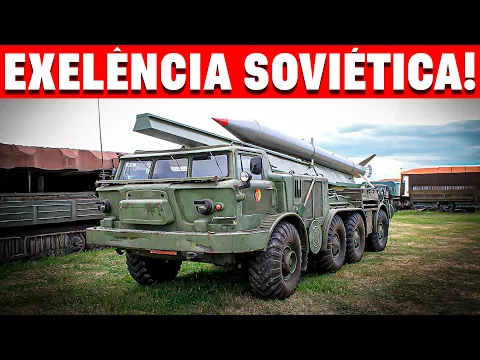

With the end of World War II, the Soviet Union began working on a cargo truck for remote areas. In 1955, the prototype ZIS 134 emerged, showing good performance, but it had issues with engines and load capacity. In response, Soviet engineers revised the design, resulting in the ZIL 135 in 1958, which could operate both on land and on water.
-
The battery that promises to change cell phones and electric cars still has a microscopic enemy: researchers discover how lithium dendrites pierce the solid electrolyte and are already testing ways to prevent cracks and short circuits.

-
An old ferry rusted for more than 10 years in New York, almost sank after the engine room was flooded, and now volunteers are rushing to clean the hull, remove wires, life jackets, and loose paint before sinking it in the Atlantic to become an artificial reef full of marine life.

-
SpaceX launch turned Falcon 9 into a giant jellyfish in the night sky, with a colorful plume illuminated by the Sun at high altitude, confusing observers and showing how a routine flight can become a rare spectacle of atmospheric physics over Earth.
-
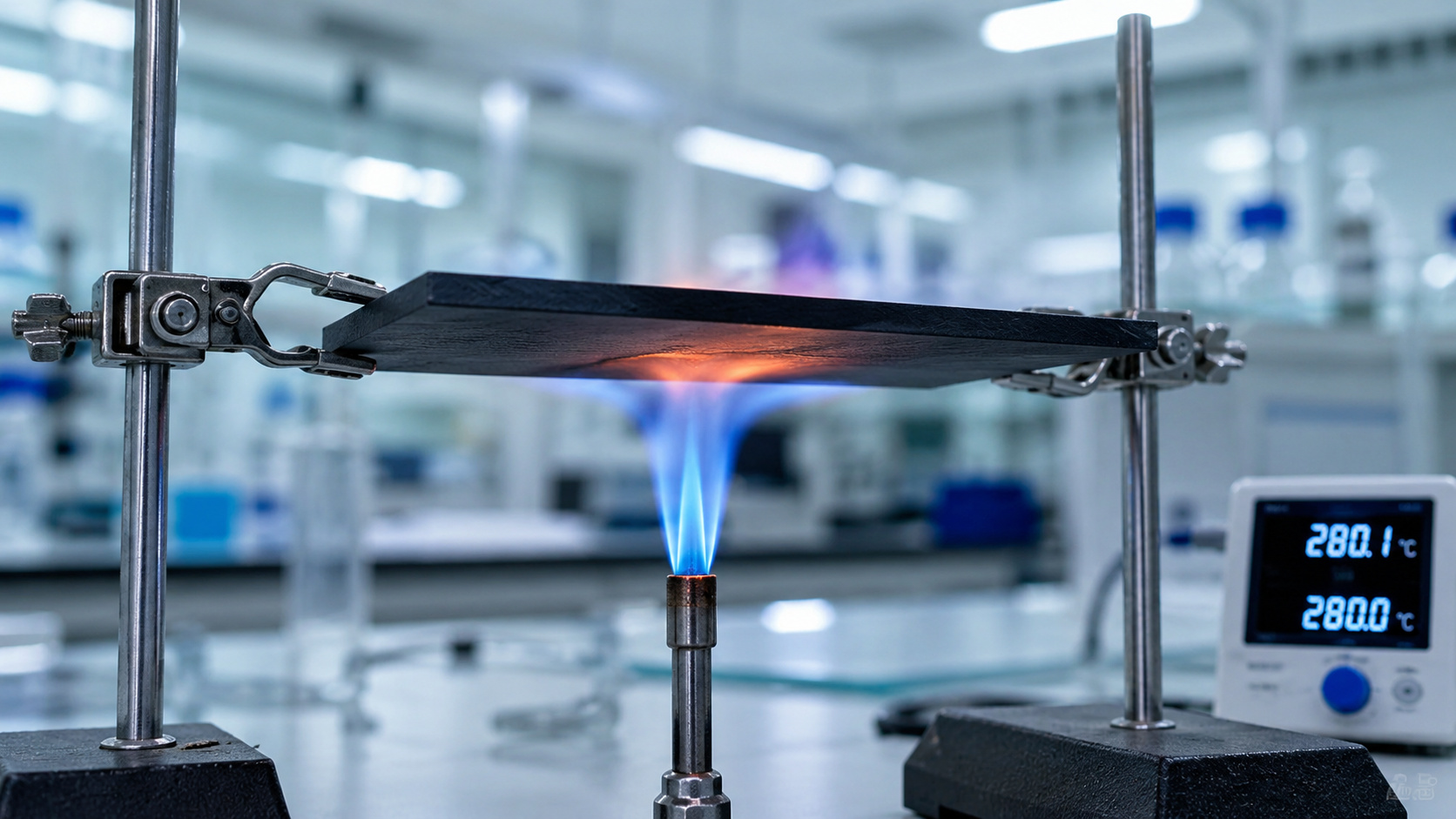
Advancement in science: a new plastic developed by researchers in the USA combines structural strength and thermal blocking in a single technology, opening new possibilities for construction, transportation, electronics, and sustainable solutions with a direct impact on global energy efficiency.


The ZIL 135 was designed to transport Luna M missiles, which weighed around 2500 kg and measured nearly 10 meters in length. An important innovation was the removal of the suspensions, attaching the axles directly to the chassis, which improved the vehicle’s stability. A system that adjusted tire pressure while moving was added to absorb impacts.
Two Engines Were Installed Behind the Cab, Each Moving the Wheels on One Side
Another highlight was the engine configuration: two engines were installed behind the cab, each moving the wheels on one side. Even if one engine failed, the other could continue to move the truck, ensuring operation in remote areas.
The Soviet Union showcased the ZIL 135 at a military parade in 1961, impressing President Nikita Khrushchev. Mass production began in 1965, and over 5,000 units were produced over nearly four decades. The ZIL 135 was adapted for various uses, including water trucks, dump trucks, cranes, and missile platforms.
Even after the dissolution of the Soviet Union in 1991, the ZIL 135 continued to be used. Today, it can still be found in military operations in North Korea and in civilian activities in Russia and in countries that were part of the Soviet Union. The ZIL 135 is a symbol of Soviet technological legacy and an example of how military innovation can have lasting impacts.