






 Portuguese
  Spanish


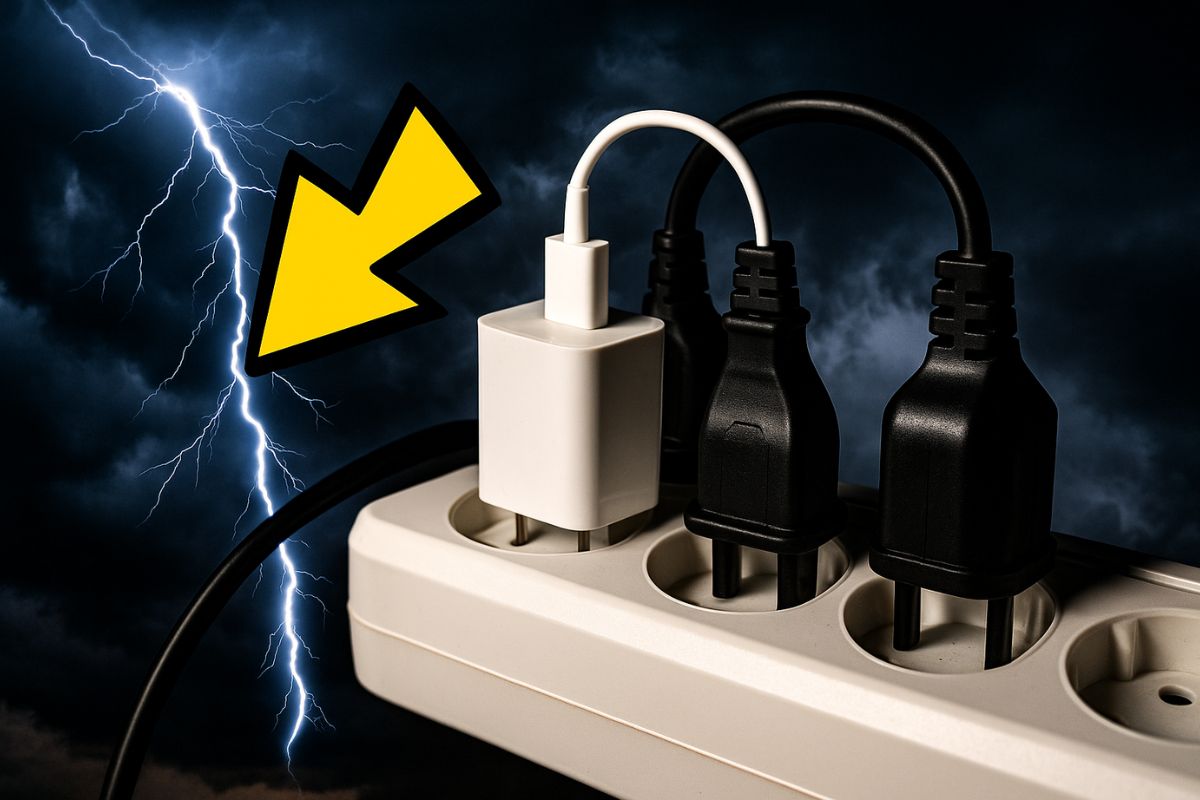


Lightning Can Cause Dangerous Power Surges Even If It Does Not Hit Your House Directly. Understand The Risks And How To Protect Yourself
Do I need to unplug electronics when it rains? This question is common, but the answer is straightforward: yes, it is true. The recommendation to disconnect devices during storms is not superstition but a suggestion based on real electrical risks.
During rain with lightning, there are dangerous overvoltages in the electrical network. Even if lightning does not hit your house, it can generate an electromagnetic field capable of burning TVs, computers, and expensive appliances, also putting the safety of residents at risk.
The Risk Is Real And Goes Beyond The Plug
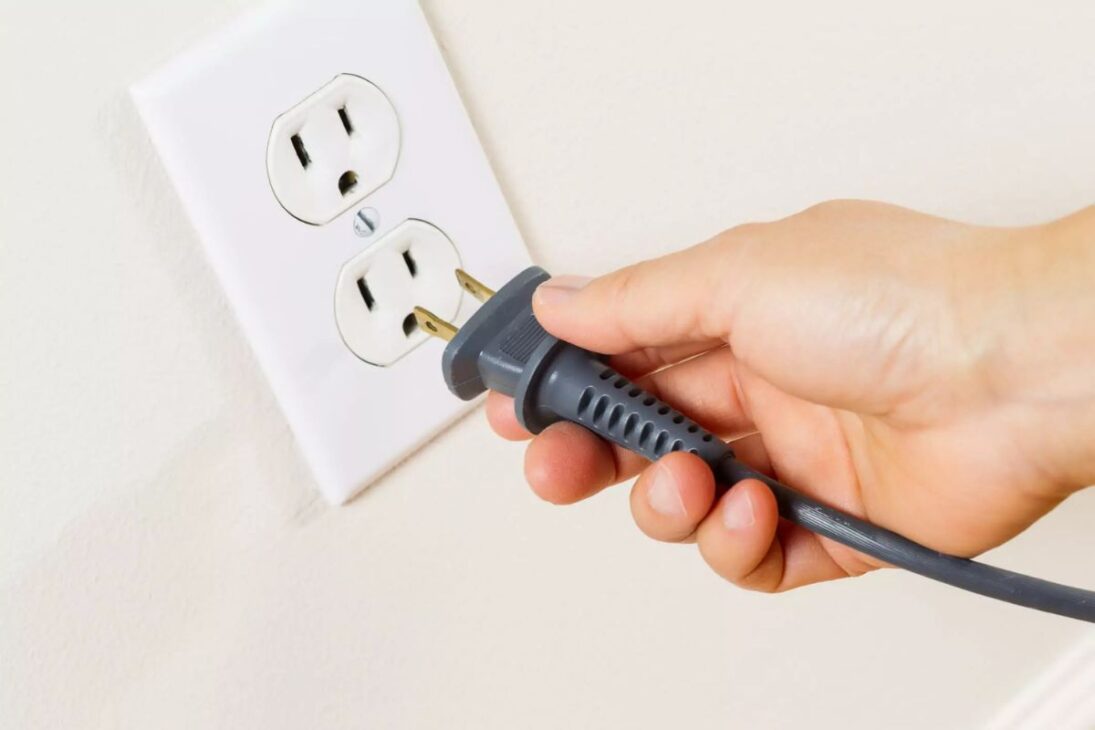
Do I need to unplug electronics when it rains? Yes, because power surges travel through any conductive wire, including antenna, phone, and internet cables. A lightning strike can hit poles kilometers away and still cause a discharge that damages devices in seconds.
-
China Develops Custom 140-Ton Electric Mining Truck with 770 kWh Swappable Battery, Deploys 290 Units in Xinjiang’s Largest Zinc Mine

-
Meta to Launch Arena, a New Prediction App Targeting 3.56 Billion Users, Competing with Polymarket and Kalshi

-
Scientist Challenges Famous Human Evolution Theory, Argues Homo Sapiens Evolved Gradually Over Thousands of Years
-
15-Year-Old American Builds Ocean Generator with PVC Pipe and 3D-Printed Propeller for $12, Wins National Prize, Presents at White House, and Makes Forbes 30 Under 30 List




Moreover, the more modern devices are the most vulnerable. Smart TVs, routers, video game consoles, and refrigerators with digital panels have sensitive components that can suffer immediate damage or hidden failures that only show up months later.
Turn Off Or Protect: What To Do Before The Storm
Do I need to unplug electronics when it rains? If possible, yes – before the rain starts. The only 100% effective protection is the complete disconnection from the outlet and all cables (power, internet, antenna). If the storm has already started, do not touch live wires: the risk of shock is greater than the damage.
Another preventive measure is to install a Surge Protection Device (SPD), which diverts excess energy to grounding, provided the house’s electrical system is properly grounded. Regular power strips and stabilizers are not effective against lightning.
Personal Safety Also Makes The Care List
During storms, care goes beyond devices. Avoid contact with plumbing, such as taking a shower or washing dishes, because electric current can travel through metal pipes. Also do not use your cell phone while it is charging.
After the storm, wait at least 30 minutes to power your devices back on. If there are fallen wires in the street, do not approach. Isolate the area and call the utility company or Fire Department (193).
Have you ever had a device damaged by a storm? Do you usually unplug electronics when it rains?






