Alongside his brother-in-law Eduardo D’Ávila, a franchise executive, the former player turned his bet on galeto into eight own restaurants in Rio de Janeiro, all with his own capital, and is now preparing a concept store of one thousand square meters in Barra da Tijuca
Anyone who saw Filipe Gomes wearing the Roma and Fiorentina jerseys in Italian football would hardly imagine the direction his life would take off the field. After 11 years living outside Brazil, the former player returned to Rio de Janeiro with a different plan: entrepreneurship. And the bet was not on anything glamorous; it was on grilled galeto.
Alongside his brother-in-law Eduardo D’Ávila, an executive with two decades in the franchise world, he founded Empório do Galeto in 2018. According to Exame, the group earned R$ 40 million in 2025 and aims for R$ 50 million in 2026, all built with their own capital, without any external investment.
From Italian football to Carioca grill
The turning point came when Filipe ended his career and decided to return home. He came back to Brazil already with the idea of starting a business, while Eduardo, his brother-in-law, had just closed a previous operation and was looking for the next step. The duo identified a simple and poorly explored demand: a galeto with a new approach, focused on environment and service, instead of just competing on price.
-
Canada Builds 6.2-Hectare Containment Box to Trap 615,000 Cubic Meters of Toxic Sediment in Lake Ontario

-
NASA Plans Telescope That Can Be Repaired by Robots 1.5 Million Kilometers from Earth
-
U.S. City Faces Dilemma as Study Warns of Sinking Land and Rising Seas: Invest in Flood Defenses, Restore Wetlands, or Relocate?
-
4,000-Year-Old Stone Towers Discovered Across Sardinia, Puzzling Archaeologists About This Mysterious Civilization


The choice of product might seem modest for someone coming from European football, but that was precisely where the opportunity lay. Galeto is a popular and well-known dish, and turning it into a curated gastronomic experience was an empty space in the Carioca market. Filipe brought the discipline of an athlete and the courage to start over; Eduardo, the management skills of someone who spent 20 years structuring franchises.
Eight restaurants and a ticket of R$ 70
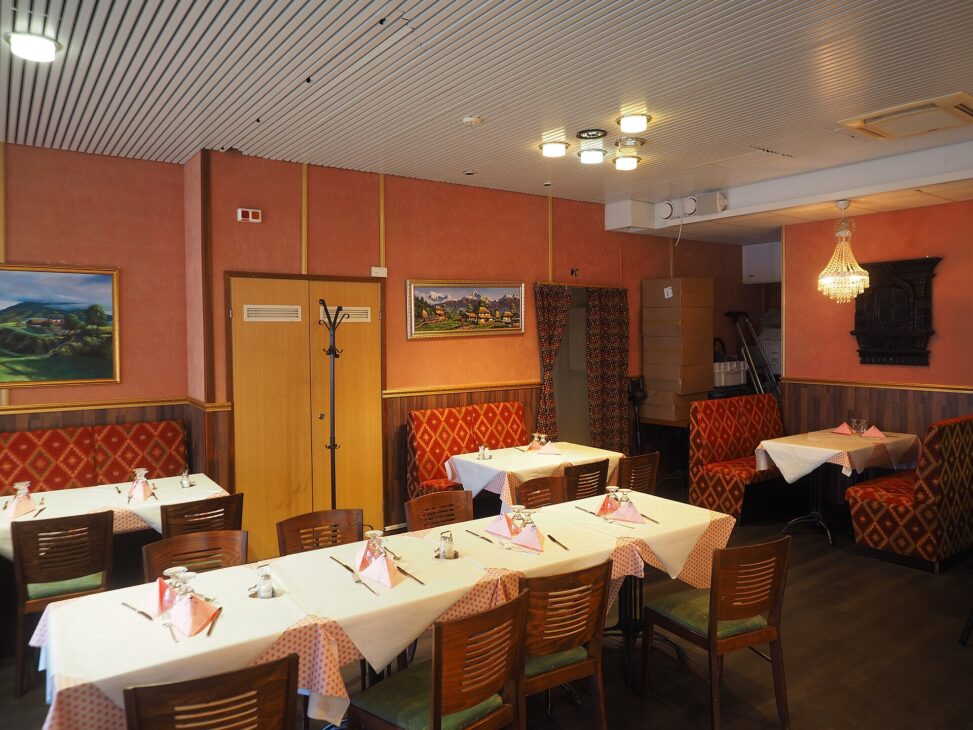
The growth came brick by brick, unit by unit. Today, Empório do Galeto has eight of its own restaurants, spread across neighborhoods like Leblon and Botafogo and the metropolitan region of Rio, with an average ticket of R$ 70 per customer. It wasn’t a rapid expansion with fund money: it was growth financed by its own cash flow, one by one.
According to Monitor Mercantil, the group announced an investment of R$ 3 million to accelerate the network’s expansion, strengthening the structure and preparing the ground for new locations. It’s the kind of financial discipline that explains how a food business survives and grows in a sector known for tight margins and high mortality rates.
Empório da Brasa: the second brand born during the pandemic
When many people were closing their doors, the duo decided to create a second brand. Empório da Brasa was born during the pandemic and launched in 2023, expanding the menu to include various meats and bringing the concept to new locations, such as Niterói and West Shopping in Campo Grande. R$ 800,000 was invested in the Campo Grande store alone.
The logic is to extend the operation without losing identity: the same obsession with experience, grilled products, and service, applied to a larger audience. While Galeto anchored the original brand, Brasa became the group’s scale vector, testing formats in different city regions.
The thousand-square-meter bet in Barra
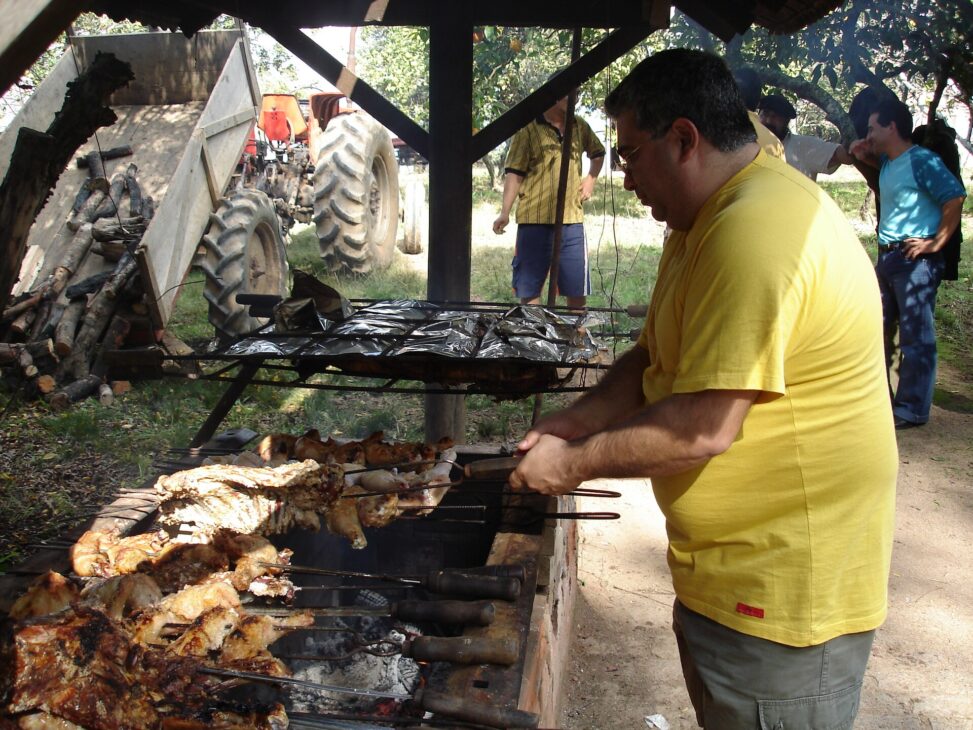
The next step is the most ambitious so far. The group is preparing a concept store of about a thousand square meters in Barra da Tijuca and is designing a franchise project for the coming years, a move that could multiply the business far beyond R$ 50 million. It’s the transition from a family operation to a replicable machine.
And this is where Eduardo’s 20 years in franchises come into play. For him, the key to a good franchise is not passing on to the franchisee the mistakes that the owners have already paid to learn. “We’ve made many mistakes and turned that into learning. That’s what we want the franchisee to avoid,” the entrepreneur tells Exame.
Why the reinvention of an athlete is so rare
In the world of sports, stories of players who lost everything after hanging up their boots are almost a cliché. The transition from the life of an athlete, with high and short income, to ordinary life is one of the biggest challenges for those who live off football, and few manage to turn the fame and money accumulated into a self-sustaining business. The case of Filipe Gomes stands out precisely because it deviates from this script: instead of betting on something linked to his own name or the image of an ex-player, he chose an operational, difficult, and less glamorous sector, and surrounded himself with a partner who understood management.
This combination, the athlete willing to start from the bottom and the executive who already knew the pitfalls of retail, is what usually separates those who just invest money from those who truly build a company. Filipe brought the discipline of someone who trained every day and the willingness to learn the business from the inside; Eduardo, with the map of someone who had already made mistakes before and knew where the pitfalls were. Together, they set up a structure that does not depend on anyone’s fame to function, which is rare in businesses run by sports celebrities.
The Tough Calculation of Opening a Restaurant in Brazil
Opening a restaurant is one of the riskiest bets in Brazilian entrepreneurship. The food service sector is known for its high business turnover, tight margins, and high mortality in the first years, especially for those who enter without cash and method. It is in this risky scenario that the choice of Empório do Galeto to grow with its own capital, one unit at a time, gains weight and explains the group’s survival.
By refusing external investment, the duo gave up growing faster in exchange for maintaining control and the financial health of the business. Each new house only opened when the previous one had already paid for itself, a discipline that reduces the risk of breaking down along the way and that many food businesses ignore in the rush to expand. It was in this slow, self-financed step that the group reached its current eight units and now feels secure to take the bigger leap of the concept store and the future franchise project.
What This Story Says About Entrepreneurship in Brazil
The trajectory of Empório do Galeto is a portrait of a path that many athletes try and few succeed: reinvention after the fields. While many players burn what they earned, Filipe Gomes chose a simple business, surrounded himself with a technical partner, and built, brick by brick and with his own capital, a R$ 40 million group that employs and feeds Rio. For Eduardo, the secret is understanding that a restaurant is more than just food.
“It’s a business within a business. The experience has to go beyond the plate,” summarizes D’Ávila. In a country where opening a restaurant is almost synonymous with high risk, the duo shows that method, patience, and own cash are still the most reliable recipe.
Tell us in the comments: would you trade a football career in Europe to sell roast chicken in Rio?