Portuguese
  Spanish


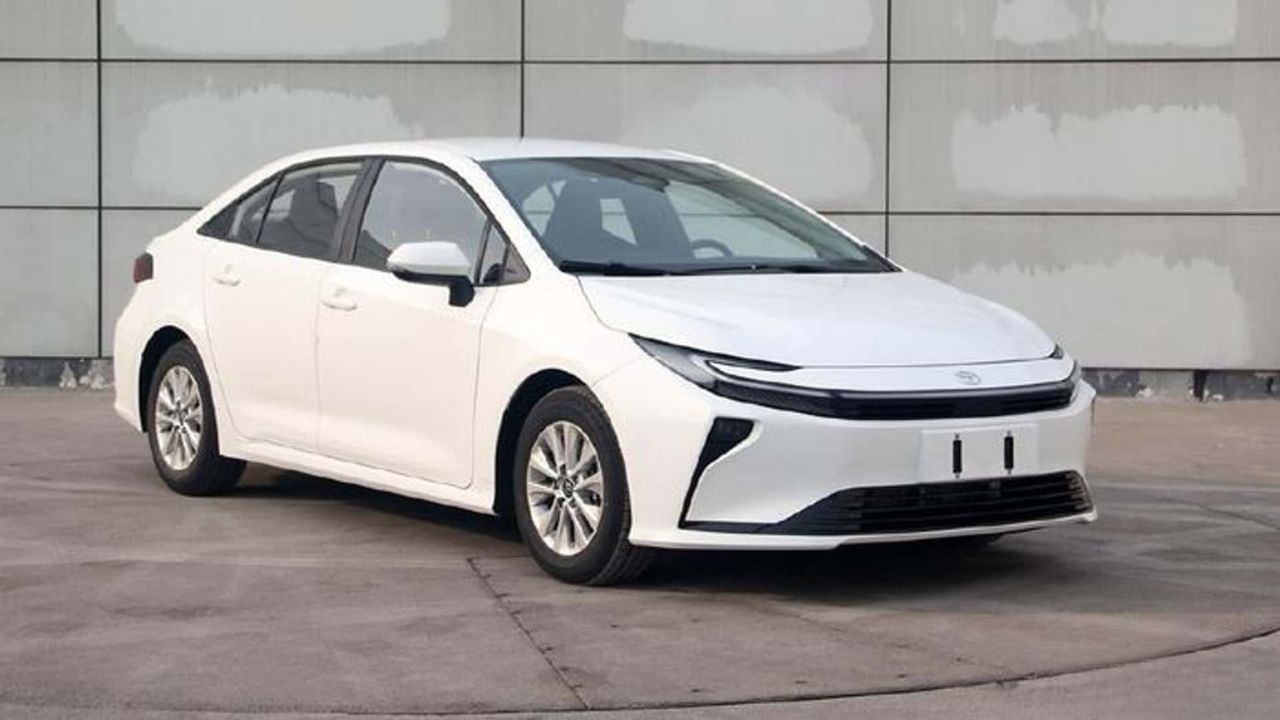

The Average Price of New Cars in Brazil Exceeded R$ 150 Thousand in August 2025. SUVs Dominate Retail Sales, While Popular Models Like the Fiat Mobi Rely Almost Exclusively on Direct Sales
The automotive sector in Brazil is undergoing a turning point. Data released by K.LUME Consulting, based on registrations from Fenabrave, shows that in August the average price of passenger cars sold in the country surpassed the barrier of R$ 150 thousand for the first time, reaching R$ 152,727.40.
The figure represents a jump of 3.4% compared to July, when the average value was R$ 147,769.80.
The increase cannot be explained only by price adjustments, but by the consumption profile itself: the models that remain strong in retail are concentrated in compact and medium SUVs, a category of vehicles that today rarely costs less than R$ 150 thousand and that, in more complete versions, are already approaching R$ 200 thousand.
-
Volkswagen to Cut Production by 1 Million Cars by 2030, Reducing Jobs and Platforms, Focusing on More Profitable Models

-
Toyota Launches First 100% Electric Car in Brazil: bZ4X with 343 HP, All-Wheel Drive, 361 km Range, Priced at $419,990 BRL, Limited to 99 Units

-
Chinese SUV Achieves 24.4 km/l, Outperforms Toyota Yaris Cross in Real-World Tests with 224 hp Hybrid System, Offers 51-Liter Tank for Greater Range, and Costs Up to R$ 5,000 Less.
-
Uber Black Revamps Fleet, Drops Ten Car Models and Sets Deadline for Electric BYD Dolphin


SUVs Dominate the Rankings and Set the New Standard
The reflection of this transformation appears in the sales rankings. In August, the Toyota Corolla Cross, with a starting price of R$ 188,990, was the third most registered car in the country, with 7,737 units.
Right behind it were the Volkswagen T-Cross, with 7,702, and the Hyundai Creta, with 6,649. Another notable model was the Fiat Fastback, which totaled 5,040 units.
These SUVs represent the profile of consumers who can still remain active in retail, even in the face of high interest rates and a sluggish economy.
They are customers less dependent on financing and with greater purchasing power.
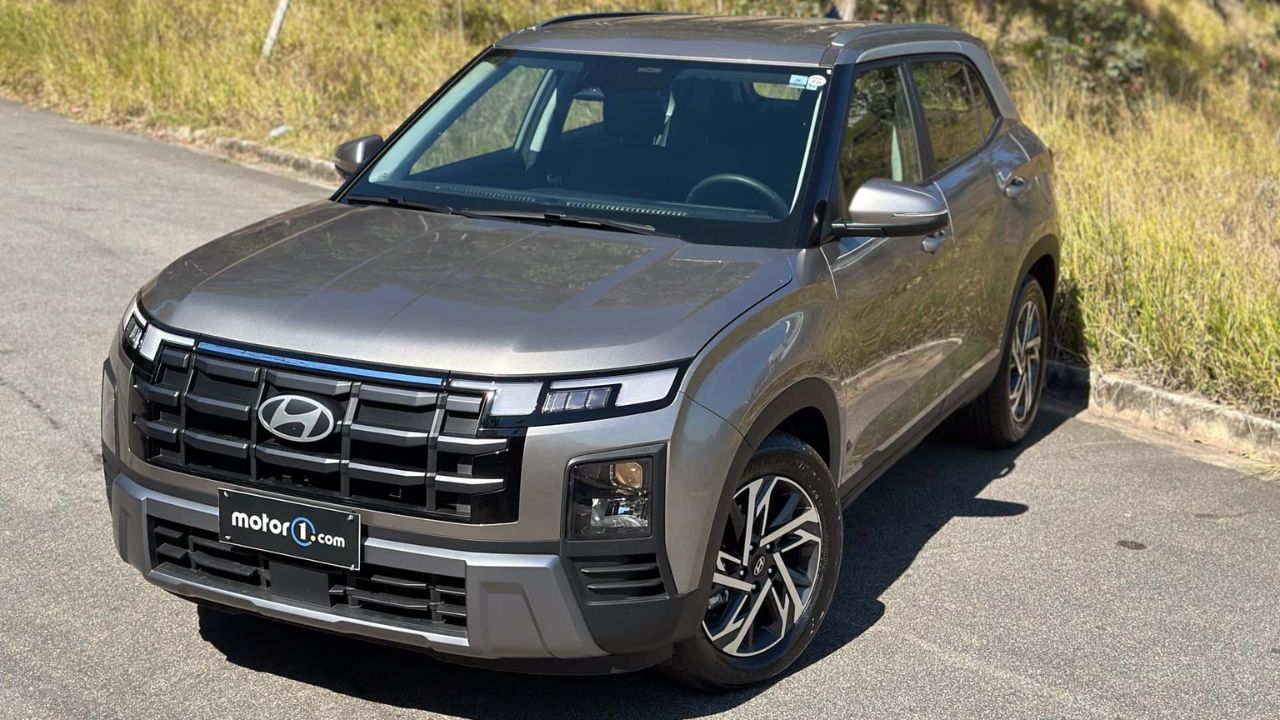
However, among popular models, the situation is different. The Fiat Mobi, with a lower price, had 6,877 registrations in the same period, but almost all units (97.6%) were directed to direct sales for rental companies, PcDs, and app drivers.
In other words: traditional retail has practically disappeared for this segment.
High Interest Rates and a Weak Economy Drive Away Entry-Level Consumers
According to K.LUME, the phenomenon does not mean that expensive cars are selling much more, but that cheap cars are selling less and less.
The explanation lies in credit. The high Selic rates make access to financing difficult, driving out consumers who rely on installments to acquire a vehicle.
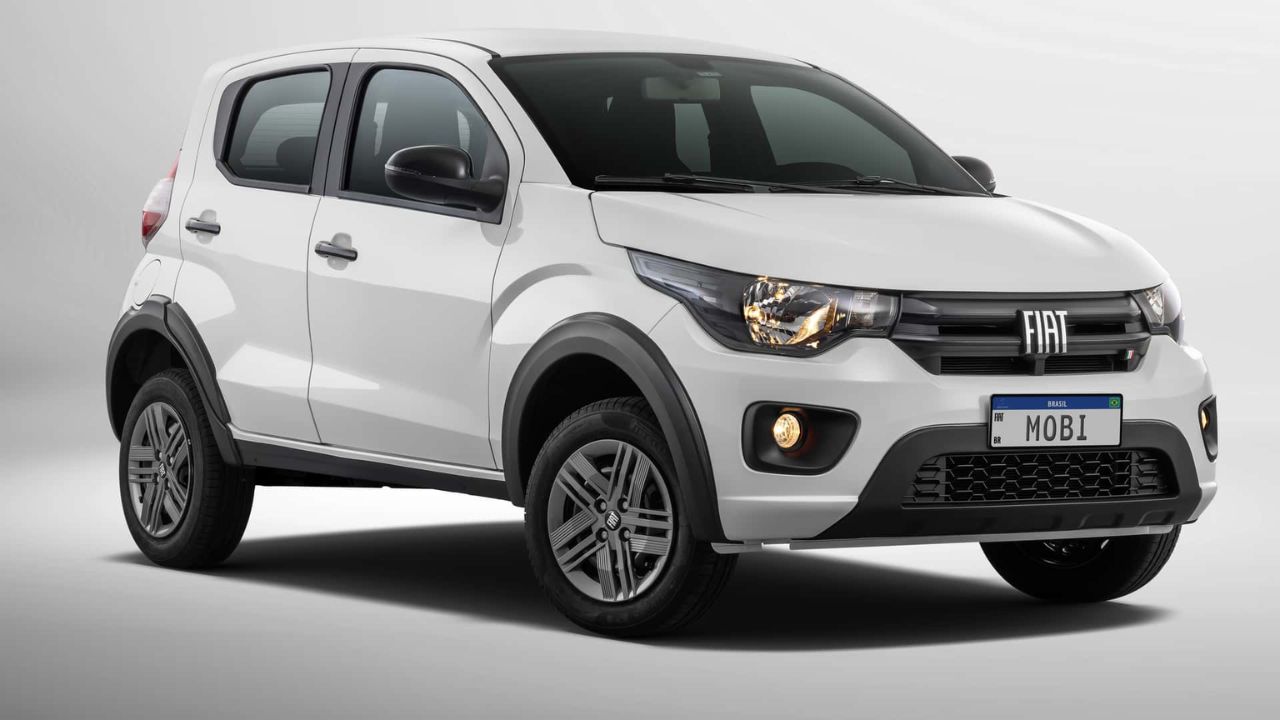
Even the reduction of the IPI could not curb this trend. While medium and compact SUVs remain strong in the top positions, affordable hatches survive only in the corporate channel, lacking strength among individual customers.
In the cumulative total for 2025, the numbers confirm the scenario: the Volkswagen T-Cross totals 53,551 units, the Honda HR-V shows 36,086, the Chevrolet Tracker has 34,212, and the Corolla Cross reached 36,955. All within the price range above R$ 150 thousand.
A More Restricted and Concentrated Market
The current picture of the sector shows that the combination of high interest rates and a sluggish economy is reshaping the Brazilian market.
Today, retail is concentrated among consumers who can afford more expensive SUVs, while the traditional entry-level audience is rapidly losing ground.
This movement causes the average ticket price of new cars to reach unprecedented levels, distancing a large part of the population and restricting the buyer base.
For experts, if the credit scenario does not change, the trend is that the market will continue to concentrate in higher price ranges, deepening the exclusion of lower-income consumers and reducing the competitiveness of popular vehicles.