Portuguese
  Spanish


The Creation of the Sovereign Brazil Plan Encouraged Mayors Across the Country, but It Also Brought Immediate Concern. With Budgets Already Committed, Municipalities Claim They Cannot Follow the New Government Directive Without Urgent Financial Support.
The National Front of Mayors (FNP) requested Vice President Geraldo Alckmin to release R$ 1 billion in extraordinary credit so that municipalities can acquire food items affected by the tariff increase.
The request was also forwarded to Ministers Fernando Haddad and Camilo Santana.
According to the organization, the funds would be used within the Sovereign Brazil Plan, created to alleviate the impacts of the 50% tariff imposed by the United States on Brazilian products.
-
Brazilian Startup Turns Coffee Grounds into Plant-Based Leather, Cutting Water Use by Over 50 Times for High-Impact Sustainable Fashion

-
Eco Invest Auction Aims to Unlock $10 Billion in Investments, Focusing on Green Fertilizers, Critical Minerals, Batteries, and AI for Clean Industry in Brazil

-
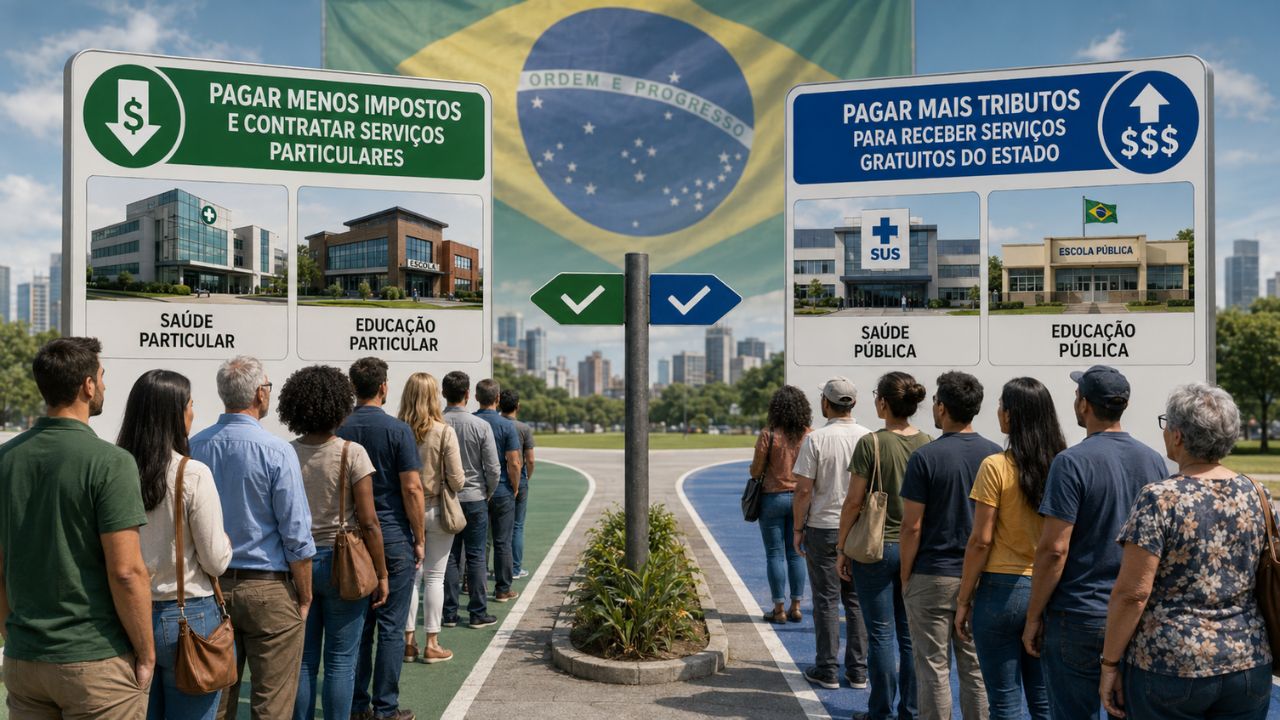
Half of Brazilians Prefer Lower Taxes with Private Health and Education, While 44% Opt for Higher Taxes for State-Provided Services, Datafolha Survey Reveals

-
Brazil’s Most Expensive Toll Rises to R$ 40.60 on Route from São Paulo to the Coast, Nearly Matching Bus Fare to Santos



The request was made public by Simão Durando, mayor of Petrolina and vice president of irrigated fruit cultivation of the FNP.
Lack of Budget in Municipalities
The letter, signed by the president of the FNP and mayor of Rio de Janeiro, Eduardo Paes, warns that municipalities do not have available budgets to make purchases immediately.
He states that the contracts for school meals and the budget execution for 2025 are already committed.
Therefore, without extra financial support, the Provisional Measure 1309/2025 may not achieve its goals. The MP allows states and municipalities to acquire food items for 180 days, with less bureaucracy and more speed.
Items That Can Be Purchased
Among the authorized products are mango, grapes, açaí, nuts, coconut water, honey, and fish. All have been affected by the tariff imposed by the United States, and are now included in the Sovereign Brazil Plan list.
The president of FNDE, Fernanda Pacobahyba, stated that the initiative could strengthen the National School Feeding Program (PNAE). She emphasized that the Lula government has reduced the purchase of ultra-processed foods, making room for more natural foods.
Launch of the Sebrae Guide
The announcement of the FNP’s request was made during the launch of the guide “Procurement of Food Items for States and Municipalities: Sovereign Brazil Provisional Measure,” developed by Sebrae in partnership with the organization.
The publication details the procedures for states and municipalities to adhere to the plan. It also provides models of required documents, such as terms of reference, legal opinions, contract templates, and the loss declaration for exporters.
Technical Support and Articulations
The guide was presented by Maurício Zanin, Hudson Costa, and Jeconias Rosendo, technicians from Sebrae. According to them, the material aims to guide public managers, companies, and producers who wish to participate in the purchases.
Bruno Quick, technical director of Sebrae Nacional, highlighted the importance of municipalities in people’s lives because they can act quickly. He stated that the partnership with the FNP is longstanding and remains strong.
Gilberto Perre, executive secretary of the FNP, emphasized the joint work of the organization with Sebrae, BNDES, and the Ministry of Development. The goal, according to him, is to support primarily the municipalities most affected by the tariff increase.