Portuguese
  Spanish


Discover How President Kennedy Invests in Clean Energy, Diversifies Its Energy Matrix, and Becomes a Reference in Sustainability and Economic Development.
The municipality of President Kennedy, located in the southernmost part of Espírito Santo, has stood out in recent decades as an example of sustainable development in Brazil.
Moreover, the city, historically known for its vocation in agriculture and regional trade, has transformed its economy through the conscious exploitation of its natural resources, especially in the energy sector.
Thus, in recent years, President Kennedy has invested in clean energy, consolidating itself as a hub of innovation and sustainability in Espírito Santo.
-
Brazilian scientists are simultaneously advancing two research projects on clean hydrogen and driving solutions that could transform the energy matrix, enhance industrial competitiveness, and accelerate large-scale emission reduction targets.

-
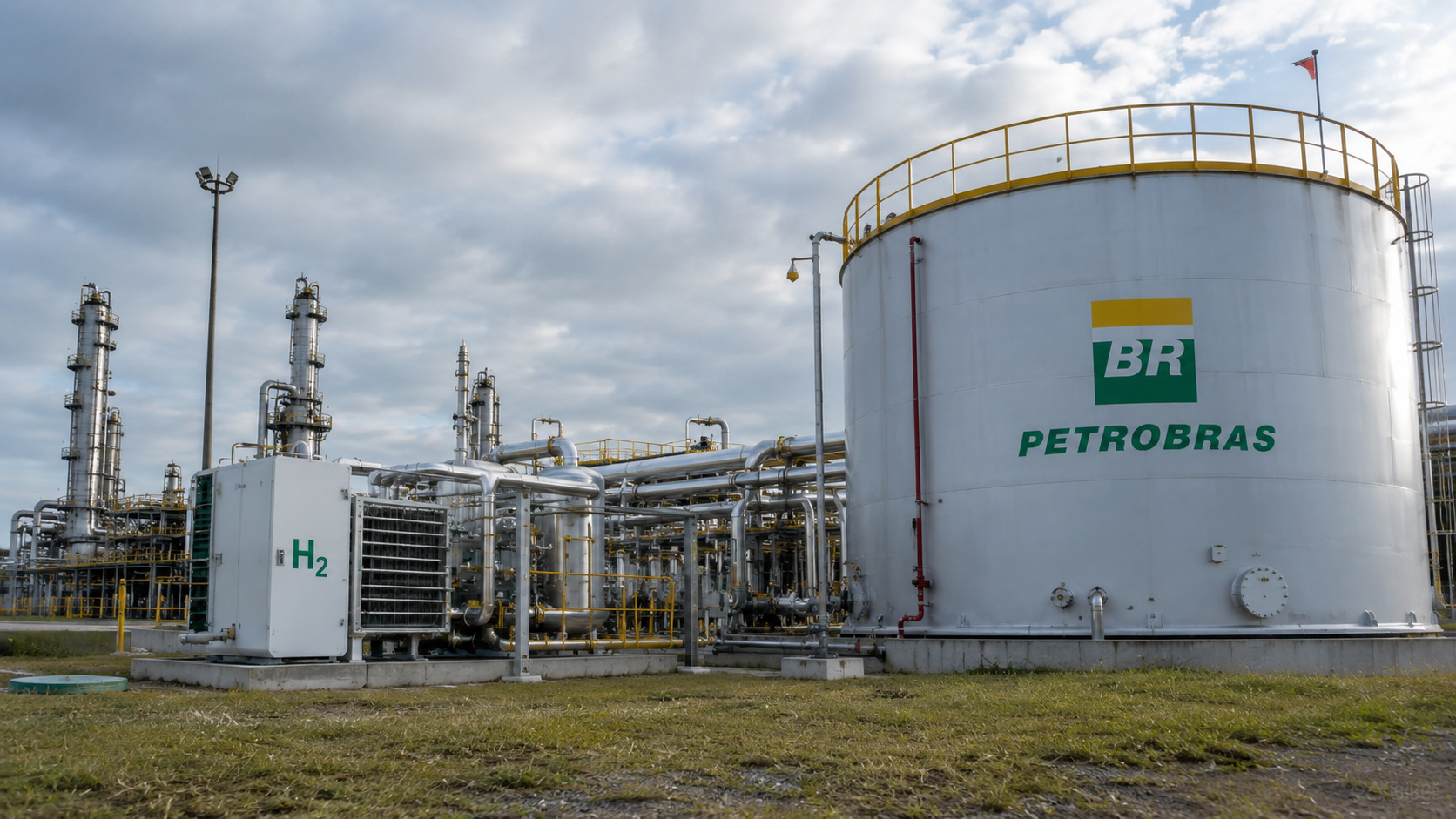
Advancement in renewable energy: A R$ 150 million project launched by Petrobras and Finep aims to create state-of-the-art electrolyzers for green hydrogen, strengthening national research and preparing Brazil to compete in a billion-dollar energy market.
-
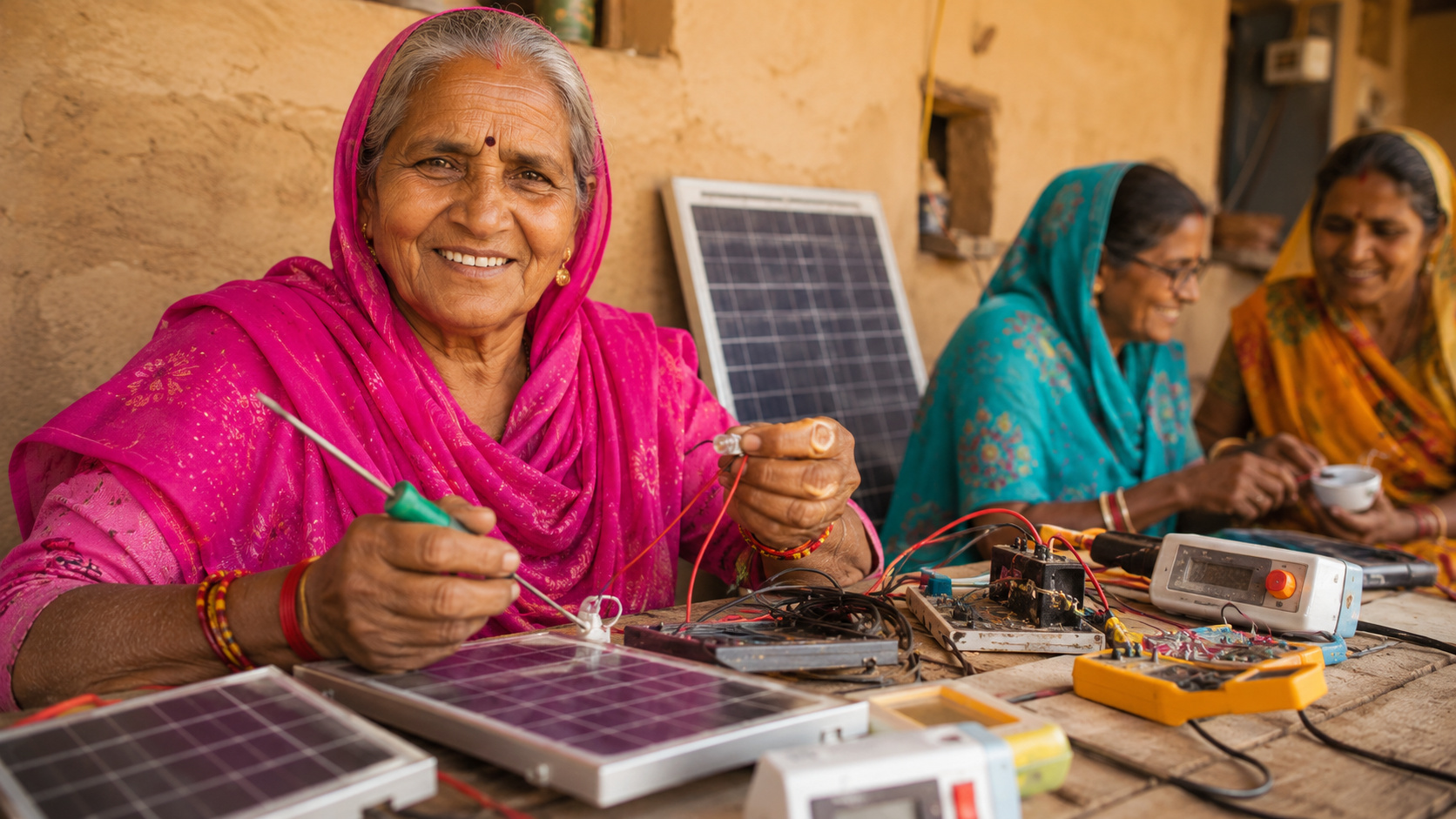
Illiterate or semi-literate grandmothers were trained to repair solar systems, open rural workshops, and light up homes that still depended on kerosene.
-
The world has bet on green hydrogen as the fuel of the future, but now faces the side effect: producing 1 kilogram requires about 9 liters of ultrapure water, and the largest projects on the planet are precisely in the driest regions of the Earth, where water is already scarce for people.


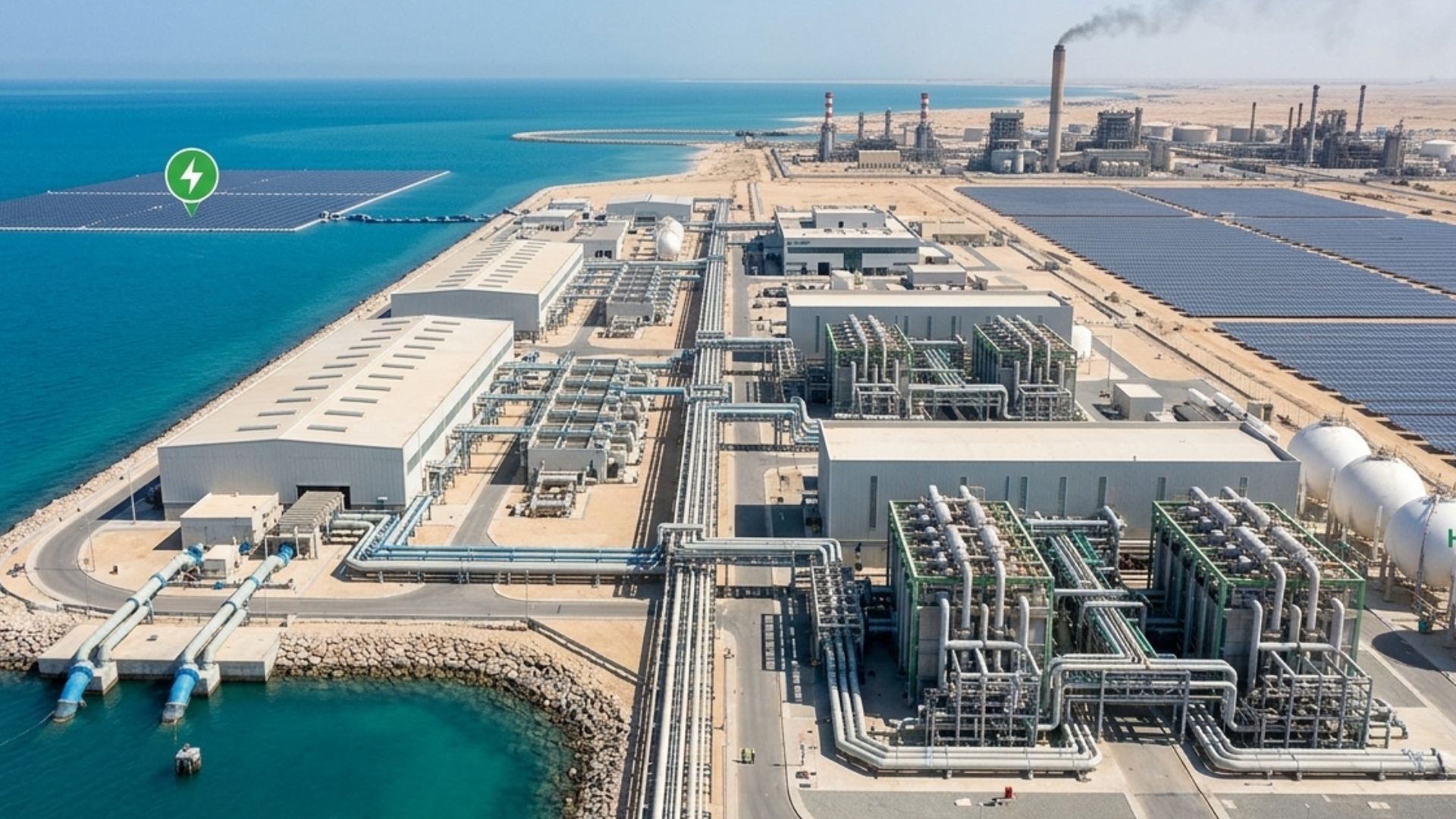
Historically, the city’s economy was primarily focused on agriculture, particularly the cultivation of sugarcane and other rural activities.
However, the abundance of solar radiation, averaging 5.58 kWh/m²/day, has placed the municipality in a privileged position for the development of photovoltaic projects.
For this reason, this natural factor initiated the diversification of the local energy matrix and attracted strategic investments, aligned with global trends in energy transition.
In addition, the path of President Kennedy investing in clean energy gained momentum with the implementation of large solar plants.
For example, Apolo Solar has consolidated itself as the largest photovoltaic plant in Espírito Santo, with a capacity of 2.6 MW.
Thus, projects like this provide clean and renewable energy for the population, create local jobs, and stimulate the economic development of the region.
Furthermore, another relevant project, Terra do Sol Nascente, involves an investment of R$ 28.5 million and is in the implementation phase.
Both ventures receive support from the Fundesul Presidente Kennedy, a fund that enables initiatives to boost the municipality’s energy potential.
Therefore, the energy transformation in President Kennedy strengthens local identity and enhances the territory.
Consequently, the city has realized that investing in clean energy is not just an economic issue, but also a commitment to environmental sustainability and the quality of life of its residents.
For this reason, educational projects and local workshops engage the population and foster a culture of environmental responsibility.
Renewable Energy and Waste Utilization
In addition to solar energy, the city invests in the valorization of industrial and agricultural waste.
For example, the Usina Monte Belo, which is being implemented, generates electricity from sugarcane bagasse.
Thus, this strategy reuses byproducts and directly contributes to a renewable and sustainable energy matrix.
Therefore, by transforming waste into energy, President Kennedy demonstrates how public policies and private initiatives can complement each other for the benefit of the environment and the local economy.
Additionally, the municipality integrates different sources of clean energy.
Recent studies indicate that combining solar energy, biomass, and natural gas in hybrid projects increases energy efficiency and reduces costs.
In this sense, President Kennedy invests in clean energy strategically, planning actions that maximize the use of available natural resources and ensure reliable and sustainable energy for the local population and industries.
In the thermal energy sector, the city maintains large-scale projects.
The GERA ES is a natural gas thermal plant with a capacity of 1,170 MW, consisting of two turbines of 575 MW each.
Moreover, the project has already received installation permits and includes an estimated investment of R$ 3.5 billion, reinforcing the municipality’s strategic potential.
On the other hand, the UTE Sudeste, with a total capacity of 3,900 MW, composed of six turbines each with 650 MW, is progressing in licensing with Ibama.
Thus, this venture will play a fundamental role in decarbonizing the energy matrix and ensuring national energy security.
It ensures reliable energy supply for large industries and data centers, while also attracting new businesses and investments.
Historical Context and Global Trends
The investment in clean energy in President Kennedy also reflects historical and global trends.
Since the 2000s, Brazil has diversified its energy matrix, reduced dependence on fossil fuels, and increased the share of renewable sources, such as hydropower, solar energy, and biomass.
In this context, municipalities with natural potential, like President Kennedy, emerge as protagonists in the energy transition.
They show that it is possible to reconcile economic development, job creation, and environmental sustainability.
Moreover, another important aspect is cooperation between the public and private sectors.
The municipality implements clean energy projects through strategic partnerships between the municipal government, private companies, and financial institutions.
In this way, this collaboration enables significant investments, ensuring that projects meet quality and sustainability standards.
Additionally, public policies for incentives and investment funds dedicated to regional development enhance the city’s attractiveness for new ventures.
Furthermore, the municipality invests in technological innovation, improving the efficiency of plants and reducing environmental impacts.
Consequently, research and partnerships with universities and research centers enable the development of advanced solutions for energy storage, monitoring, and equipment maintenance.
This ensures that President Kennedy invests in clean energy with quality and safety.
Social and Environmental Impacts
The transformation of the energy matrix in President Kennedy also brings positive social and environmental effects.
For example, the generation of renewable energy reduces greenhouse gas emissions and reinforces the city’s commitment to environmental preservation.
At the same time, energy projects create job opportunities and professional training, directly benefiting the local population.
Thus, the city becomes a model of sustainable development, where the responsible exploitation of natural resources generates economic, social, and environmental benefits.
Moreover, the success of President Kennedy in the area of clean energy reflects a long-term vision.
The city has understood that investing in renewable sources meets not only the environmental need but also strengthens the local economy.
For this reason, by consolidating itself as a hub for clean energy, President Kennedy attracts investments, increases its national relevance, and ensures well-being for its population.
Reference and Sustainable Legacy
Furthermore, the example of President Kennedy inspires other regions of the country.
Thus, the city’s experience shows that it is possible to reconcile economic growth, technological innovation, and environmental sustainability.
By investing in clean energy, the city diversifies the national energy matrix, reinforces Brazil’s energy security, and promotes solutions that can be replicated in other locations.
In summary, President Kennedy invests in clean energy to transform its energy matrix, generate jobs, attract investments, and strengthen environmental sustainability.
From the development of solar plants like Apolo Solar to innovative projects for the utilization of agricultural waste and natural gas thermal plants, the city demonstrates that public policies, private initiative, and natural resources can unite for a sustainable future.
Thus, the story of President Kennedy shows that conscious investment in clean energy drives economic growth, strengthens the local community, and creates a development model that combines modernity and respect for the environment.
Finally, the city continues to consolidate itself as a hub of innovation and a reference in renewable energy, demonstrating that the energy transformation represents an opportunity for all sectors of society.
By maintaining focus on sustainability, economic diversification, and attracting new investments, President Kennedy positions itself as a timeless example of how clean energy can be the engine for smart, inclusive, and lasting development.