Portuguese
  Spanish


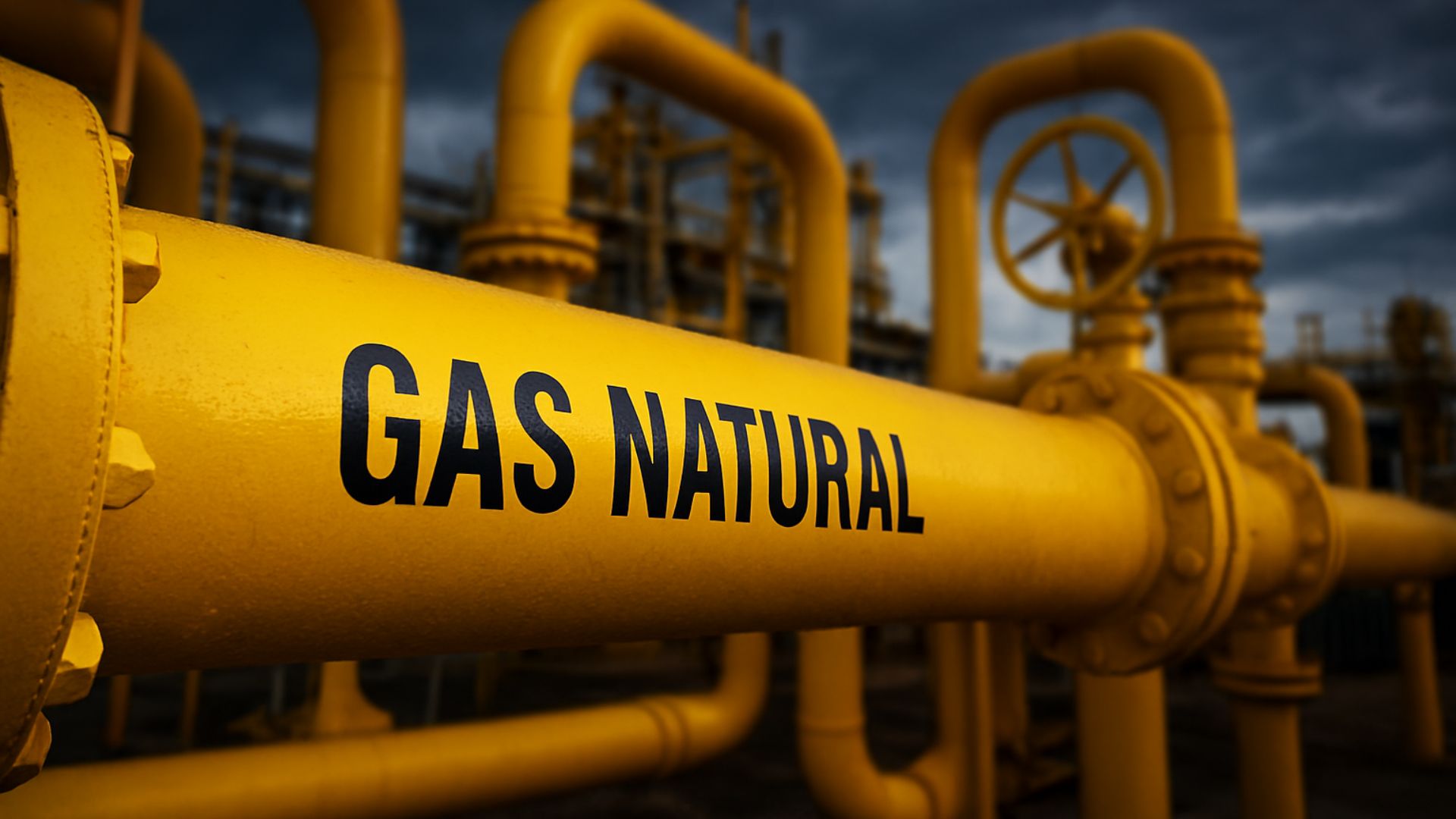

Rio Grande do Norte Advances in Natural Gas Production and Strengthens Its Participation in the Energy Matrix, While Offshore Oil Reports Decline and Redefines Investments in the Brazilian Energy Sector
According to a report from Tribuna do Norte this Thursday (23), Rio Grande do Norte has undergone a significant energy transformation: natural gas production grew by 31%, while offshore oil fell by 29%, reconfiguring the state energy matrix.
Natural Gas Drives a New Phase of the Energy Matrix
In the second quarter of 2025, the state of Rio Grande do Norte recorded a significant increase in natural gas production, with a 31.2% rise compared to the same period the previous year. This advancement represents 3.1 million cubic meters additional, according to the Petroleum and Gas Bulletin from Sedec.
This leap in production is a direct result of the operations of independent oil companies working in landfields of the Potiguar Basin. The replacement of Petrobras by smaller companies, known as “Oil Juniors”, has been crucial for the recovery of land production and for strengthening the state energy matrix.
-
OPEC+ Boosts Oil Supply by 188,000 Barrels per Day in July 2026, Leading to Price Drop from $112 to $89 per Barrel in Under Two Months

-
TotalEnergies Signs 20-Year Deal to Purchase 2 Million Tons of LNG from Alaska, Boosting Project Viability
-
Turkey Deploys Çağrı Bey Drilling Ship to Explore New Oil Frontier Off Somalia’s Coast
-
Golden Pass LNG Ships First Liquefied Gas Cargo from the U.S., Completing $10 Billion QatarEnergy and ExxonMobil Investment




Decline in Offshore Oil Production and Its Effects
On the other hand, offshore oil production — that which occurs on maritime platforms — fell by 29.32%, reflecting the natural depletion of the fields in operation.
This sharp decline marks a turning point in the composition of the Potiguar energy matrix, which is becoming increasingly dependent on natural gas and less on oil extracted from the sea.
The reduction in offshore activity raises concerns about the sustainability of maritime operations, especially in light of the lack of new investments in exploration and the maturity of the existing fields.
Rio Grande do Norte: Energy Transition Underway
The change in production indices has direct implications for the energy matrix of Rio Grande do Norte, which has historically been supported by oil exploration, both on land and at sea. With the retreat of offshore activities, natural gas gains prominence as a more stable and less vulnerable energy source to field depletion.
This energy reconfiguration is strategic, as natural gas has industrial, commercial, and residential applications, and is considered a transition source for a low-carbon economy. The diversification of the state energy matrix also strengthens energy security and reduces dependence on marine fossil fuels.
Royalties and Revenue: Economic Impact of the New Energy Matrix
Despite the decline in offshore oil production, Rio Grande do Norte registered a 1.37% increase in royalty revenue, totaling R$ 61.7 million in the second quarter of 2025. This growth is attributed to the appreciation of natural gas and the efficiency of independent oil companies operating on land.
According to Hugo Fonseca, Deputy Secretary of Sedec, the gradual replacement of Petrobras by independent companies has been a positive factor. The so-called “Oil Juniors” now operate 100% of the land fields in the Potiguar Basin, promoting greater dynamism and recovery of land production.
This new scenario also favors the interiorization of investments, with municipalities in the interior receiving more resources and economic development opportunities.
Natural Gas as a Vector for Growth and Sustainability
Natural gas is consolidating itself as a vector for economic and energy growth in the state. Besides being less polluting than oil, its production has proven to be more stable and scalable. The distribution infrastructure, such as pipelines and compression stations, has also been expanded to meet growing demand.
Local companies and industries have been investing in technologies to harness natural gas, reducing operational costs and carbon emissions. This trend aligns with the global energy transition movement, in which natural gas plays a central role.
Furthermore, the use of natural gas as fuel for electricity generation has grown, replacing more polluting sources and contributing to meeting environmental targets.
Offshore Oil: Challenges and Future Perspectives
The 29% drop in offshore oil production raises concerns about the viability of maintaining maritime operations in the state. The depletion of fields and lack of new investments in exploration hinder the recovery of growth in this segment.
However, experts point out that there is potential for revitalizing mature fields, through advanced recovery technologies and tax incentives. The recovery will depend on public policies and market attractiveness for new operators.
Petrobras, for its part, has been redirecting its investments to more promising areas in other regions of the country, which reinforces the need for Rio Grande do Norte to seek alternative energy sources and new strategic partners.
The Importance of Energy Diversification in Rio Grande do Norte
The reconfiguration of the energy matrix of Rio Grande do Norte highlights the necessity for diversification of energy sources. Investing in natural gas, solar, wind, and biomass energy is essential to ensure sustainability, competitiveness, and energy security.
The energy transition is not just a global trend but a regional necessity, especially in states like RN, which face challenges with mature and declining oil fields.
The state is already a national highlight in wind energy generation, and the integration of this source with natural gas can create an efficient and resilient hybrid system. In addition, there is room for solar energy expansion, especially in rural and industrial areas.
Oil and Natural Gas: Paths for the Future Energy of RN
Thus, Rio Grande do Norte has begun a new phase in its energy journey. The 31% growth in natural gas production and the 29% decline in offshore oil signal a structural change in the state energy matrix.
This scenario demands strategic planning, investments in infrastructure, and public policies focused on sustainability. Natural gas emerges as the protagonist, while offshore oil faces challenges that require innovation and renewal.
For the future, the balance between renewable and non-renewable sources will be essential, and Rio Grande do Norte has the potential to lead this transformation in the Brazilian Northeast.
A commitment to innovation, professional training, and attracting new investments will be key to consolidating this new energy matrix and ensuring sustainable development for the coming decades.