Portuguese
  Spanish



ANP Launches Unique Manual with Guidelines on Authorizations and Technical Standards for Hydrogen Production in Brazil, Strengthening Regulation of the New National Clean Fuel
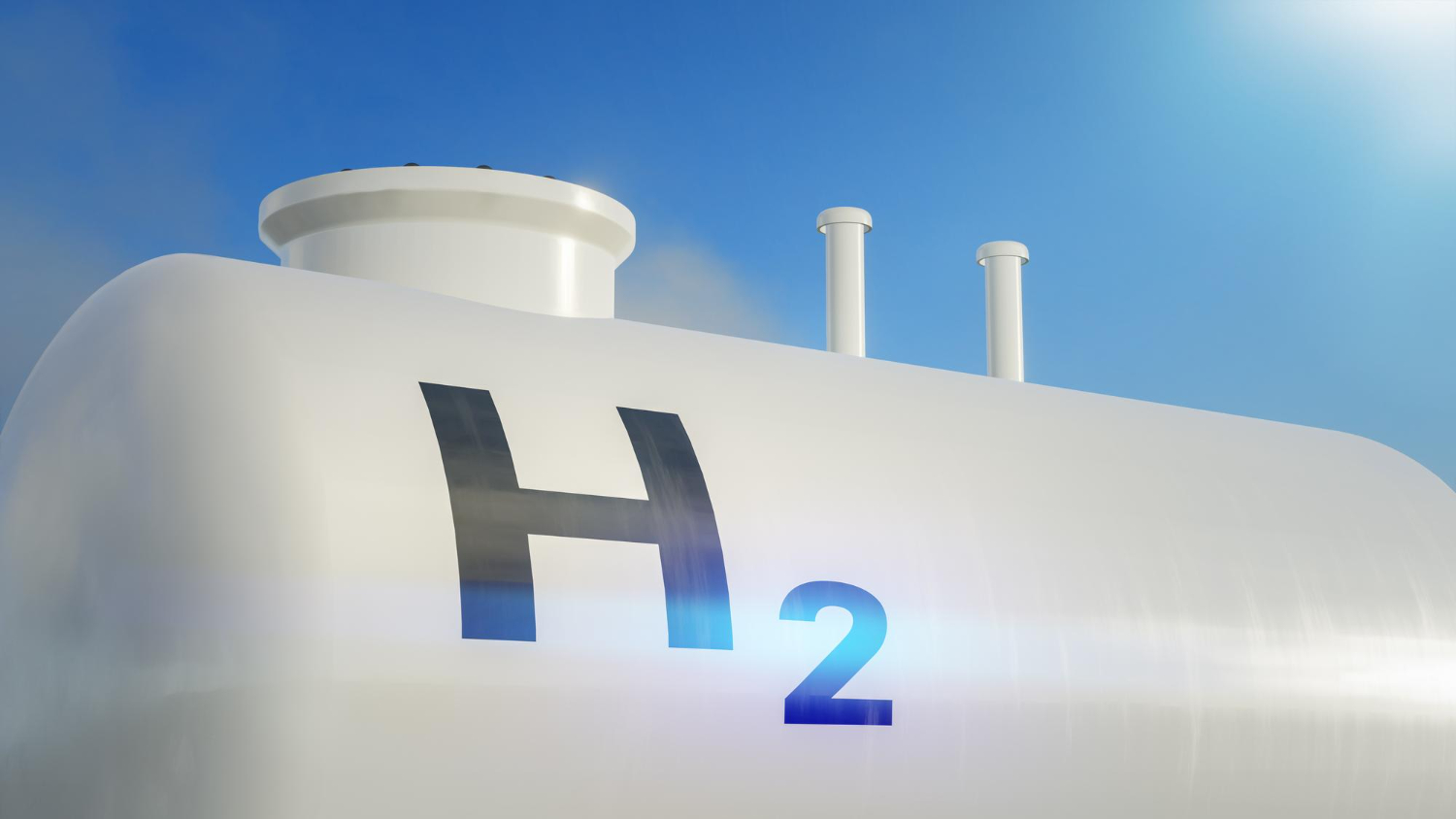
The production of hydrogen in Brazil has just received a new boost with the publication of the manual “Low Carbon Emission Hydrogen: Manual for Authorization Request”, approved by the National Agency of Petroleum, Natural Gas and Biofuels (ANP) on October 16, 2025, according to a report published.
The document gathers detailed guidelines for companies interested in engaging in the production, operation, and commercialization of low carbon emission hydrogen, a fuel that is emerging as a key component in the energy transition and decarbonization of the industrial and transportation matrix.
Regulation and Authorization of Low Carbon Emission Hydrogen Production
The new ANP manual provides clear guidelines on the authorization process for ventures related to hydrogen production in Brazil, indicating a list of documents, contacts, and necessary steps for submission.
-
Green Roofs on Homes Gain Popularity for Reducing Heat, Noise, and Rain Impact in Brazil

-
Oil production grows in Rio, but reserve replacement raises a warning sign
-
Petrobras is expected to complete the drilling of the Morpho well in the Foz do Amazonas in August 2026, the first well in the Equatorial Margin, an oil frontier that the ANP estimates at more than 30 billion barrels and could redraw the map of Brazil.

-
Brazilian promises his children to save a river, creates an eco-barrier in his backyard, has already removed more than 40 tons of trash from the water, and even inspires the idea in other states of the country.





The agency emphasizes that the guide is meant for guidance and does not replace future regulatory resolutions. Thus, the absence of a specific document does not impede the progress of the process, as each case will be analyzed individually.
The measure is in line with Article 12 of Law No. 14,948/2024, which allows for individual solutions while definitive rules are not published.
International Standards and Physicochemical Specifications
The manual also presents information on the physicochemical specifications of hydrogen and the international standards that must be followed to ensure the safety and quality of the product.
The text details purity standards, analytical control, and essential technical criteria for industrial and energy use.
These references ensure that Brazil advances based on globally consolidated models, which strengthens the credibility of hydrogen production in Brazil in the eyes of investors and international partners.
Certification issues and exploration of natural hydrogen, according to the ANP, will be addressed in future publications.
Energy Transition and New Market Opportunities
The ANP highlights that low carbon emission hydrogen represents a modern and flexible alternative within the Brazilian energy transition.
The country already ranks among the nations with the cleanest energy matrix in the world, thanks to the consolidated use of biofuels such as ethanol and biodiesel.
With the Future Fuel Law (Law No. 14,993/2024) and the new legal framework for hydrogen, Brazil is advancing to also integrate biomethane, green diesel, and sustainable aviation fuels (SAF) into its decarbonization strategy.
This articulation places hydrogen production in Brazil at the center of energy and industrial policies, consolidating the role of the ANP as a regulator of an expanding market.
The manual reinforces transparency and regulatory predictability, essential to attract investments and accelerate innovation. Those interested in obtaining additional information can send inquiries to the email hidrogenio@anp.gov.br, officially indicated by the agency.
As a result, the production of hydrogen in Brazil consolidates itself as a strategic axis for sustainable development and the strengthening of the national energy sector.